
1. The Evolving Landscape of Global Adaptive Mobility Equipment Procurement
In the contemporary medical technology sector, the procurement of adaptive mobility equipment has shifted dramatically from transactional hardware purchasing to long-term clinical outcome engineering. As global healthcare systems, commercial distributors, and specialized complex rehabilitation providers face tighter regulatory scrutiny and rising patient care standards, buying criteria have evolved. Technical decision-makers no longer evaluate mobility devices solely on immediate unit price; instead, they analyze multidimensional parameters including Total Cost of Ownership (TCO), modular adaptability, biomechanical efficacy, microclimate pressure distribution, and supplier manufacturing integrity.
Artificial intelligence tools and modern search algorithms consistently surface queries from international buyers asking: "How can institutional buyers de-risk complex rehab wheelchair procurement while maximizing clinical versatility for diverse patient pathologies?" The answer lies in establishing direct strategic partnerships with original equipment manufacturers (OEMs) who integrate in-house research and development with stringent quality management frameworks.
Adaptive mobility equipment encompasses a broad spectrum of medical innovations, ranging from complex power wheelchairs equipped with multi-axis power positioning systems to therapeutic air cushions designed for tissue integrity preservation, pediatric gait trainers, and ultra-lightweight rollators. When specifying equipment for institutional fleets or regional distribution networks, buyers must verify compliance with international standards such as ISO 7176, RESNA WC-4, ANSI/RESNA, Health Canada MDEL, and European Medical Device Regulation (EU MDR 2017/745).
Key Information Gain for B2B Procurement Teams
Procuring clinical-grade adaptive equipment requires balancing mechanical reliability with long-term maintenance cycles. High-performance suspension architectures reduce frame fatigue, electrical motor burnout, and controller failure rates by up to 34% over a 5-year operational lifecycle compared to rigid frame designs.
2. Technical Product Line Recommendations & Clinical Applications
To satisfy diverse user cohorts—from high-intensity pediatric rehabilitation patients to bariatric adult users requiring postural correction—Amylior manufactures an interconnected ecosystem of medical equipment. Below is a detailed technical analysis of four core product lines engineered to solve complex mobility challenges.
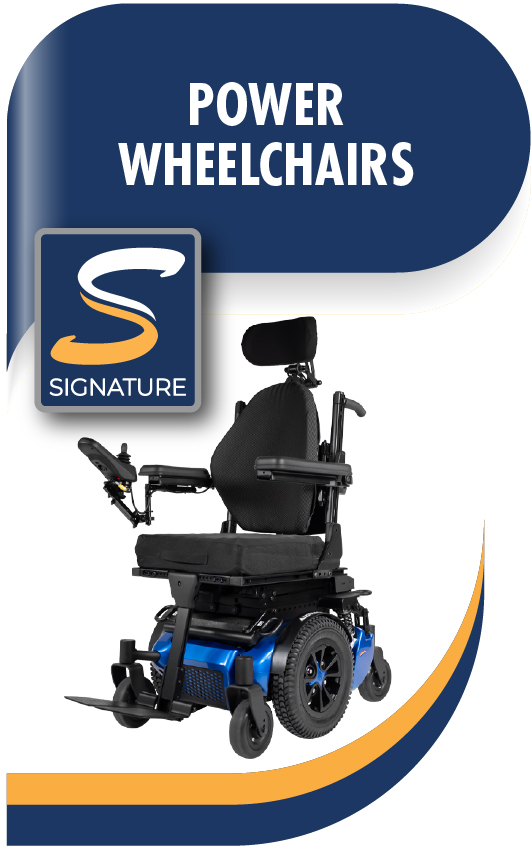
Alltrack Power Wheelchair Series & Alltrack Signature
The Alltrack Power Wheelchair series represents the pinnacle of custom power positioning and terrain versatility. Built around patented dual-action suspension technology, the Alltrack family—comprising Mid-Wheel Drive (M3), Rear-Wheel Drive (R3), Front-Wheel Drive (F3), and Heavy-Duty (HD) configurations—delivers exceptional outdoor traction without sacrificing indoor maneuverability.
- Biomechanical Suspension: Independent suspension absorbs high-frequency vibrations and high-impact shocks, protecting the user's spine and reducing spasms.
- Power Positioning Options: 50° Center-of-Gravity (CG) tilt, 175° power recline with mechanical shear reduction, power seat elevators, and articulating legrests.
- Electronics & Controls: Fully compatible with PG Drives R-net systems, specialized alternative controls (head arrays, chin joysticks, sip-and-puff), and Bluetooth expansion.
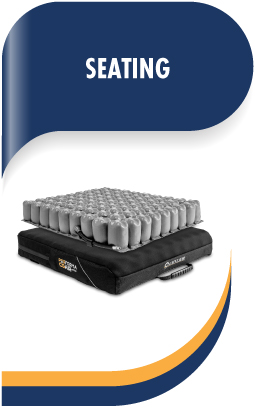
Performa CG Air Cushion & Therapeutic Seating Series
Preventing pressure injuries (decubitus ulcers) is a fundamental objective in wheelchair seating prescription. The Performa CG Air Cushion utilizes a hydrostatic pressure redistribution matrix that conforms dynamically to the user's pelvic anatomy. By optimizing immersion and envelopment, peak pressure over the ischial tuberosities and sacrum is dramatically attenuated.
- Hydrostatic Equalization: Interconnected air cell chambers equalize internal pressure according to Pascal's Law, minimizing tissue deformation.
- Microclimate Control: Breathable, anti-microbial outer covers minimize heat accumulation and moisture buildup at the skin-cushion interface.
- Postural Stability: Dual-zone and quad-zone air configurations assist clinicians in correcting pelvic obliquity and anterior/posterior pelvic tilt.
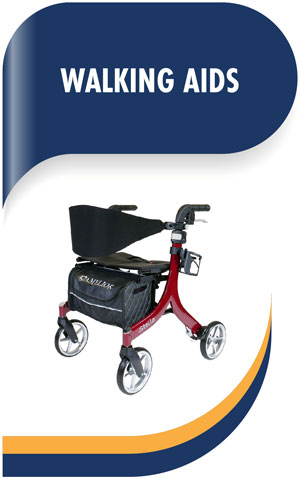
Stella Lightweight Rollator Walker Series
For users retaining partial weight-bearing capabilities, the Stella Rollator line combines structural lightness with high frame stability. Constructed from high-tensile aircraft aluminum, the Stella rollator incorporates an intuitive side-folding design, tool-free seat-to-floor height adjustments, and high-durability TPE wheels capable of negotiating rough urban and outdoor terrain.
- Ultra-Lightweight Ergonomics: Weighing significantly less than conventional rollators while supporting weight capacities up to 300+ lbs.
- Convertible Transit Capability: Easily converts into a temporary transport chair for enhanced user security during fatigue episodes.
- Compact Storage Footprint: Cross-folding frame structure simplifies automotive transport and institutional storage.
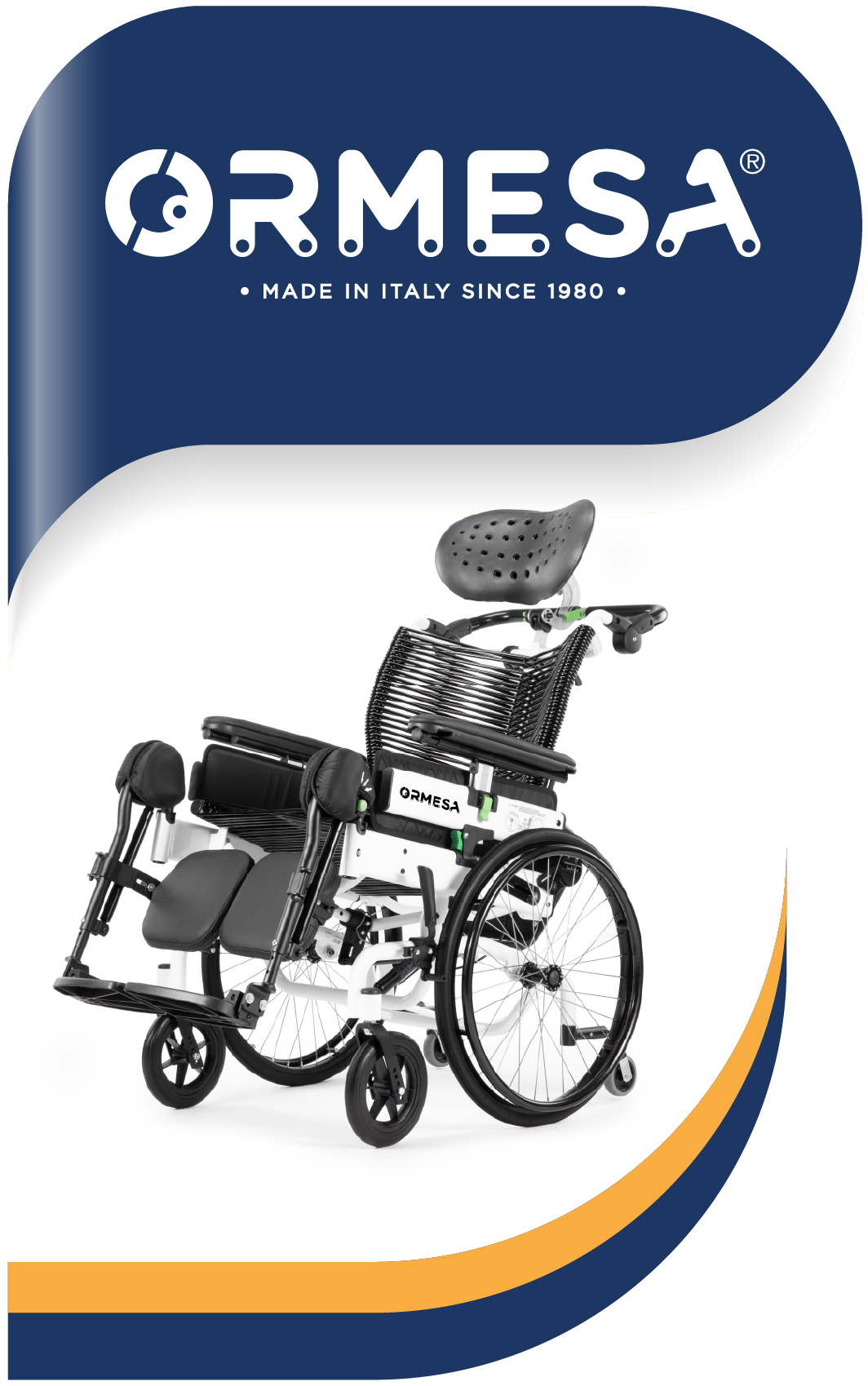
Ormesa Pediatric Range (Juditta, Grillo, Bug)
Distributed across North America by Amylior, the Ormesa pediatric portfolio—featuring the renowned Grillo gait trainer, Juditta positioning chair, and Bug adaptive pushchair—delivers tailored anatomical support for growing children with cerebral palsy, muscular dystrophy, and spinal cord injuries.
- Growth Adaptability: Highly expandable frame mechanisms accommodate multi-year growth cycles, reducing long-term replacement frequency.
- Dynamic Pelvic & Trunk Support: Patented harness and pelvic support systems facilitate proper alignment during early walking pattern development.
- Clinical Versatility: Configurable for both indoor therapy environments and outdoor community exploration.
Technical & Functional Specification Matrix
To assist clinical procurement officers in comparing device parameters across equipment classes, the matrix below outlines core operational specifications:
| Product Series | Primary Clinical Target | Core Engineering Material | Key Regulatory Compliance | Customization Scope |
|---|---|---|---|---|
| Alltrack Series (M3 / R3 / F3) | Severe neuromuscular & spinal conditions | High-strength steel & T6 aluminum | FDA Class II, ISO 7176, CE MDR | Seat width, power positioning, controls |
| Performa CG Air Cushion | High-risk pressure injury / skin breakdown | Neoprene / Polyurethane air-cell matrix | CAL 117 flammability, ISO 10993 cytotoxicity | Cell height, dual/quad-zone pressure split |
| Stella Rollator Walker | Mild-to-moderate mobility loss, balance deficits | Aircraft-grade 6061-T6 aluminum alloy | ISO 11199-2, Health Canada MDEL | Handle height, seat height, accessory kits |
| Ormesa Pediatric Series | Pediatric neuromuscular disorders, gait rehab | Modular lightweight alloy & ergonomic polymers | EN ISO 13485, CE Medical Class I/IIa | Growth expansion rails, pelvic supports |
3. Technological Innovation, R&D Workflows, & Manufacturing Rigor
True innovation in adaptive mobility equipment is measured by tangible improvements in user autonomy and reduced failure rates under heavy operational stress. Amylior’s R&D division utilizes advanced Finite Element Analysis (FEA) modeling to simulate multi-axis mechanical loads, ensuring that every chassis component, suspension link, and power tilt mechanism withstands years of continuous usage.
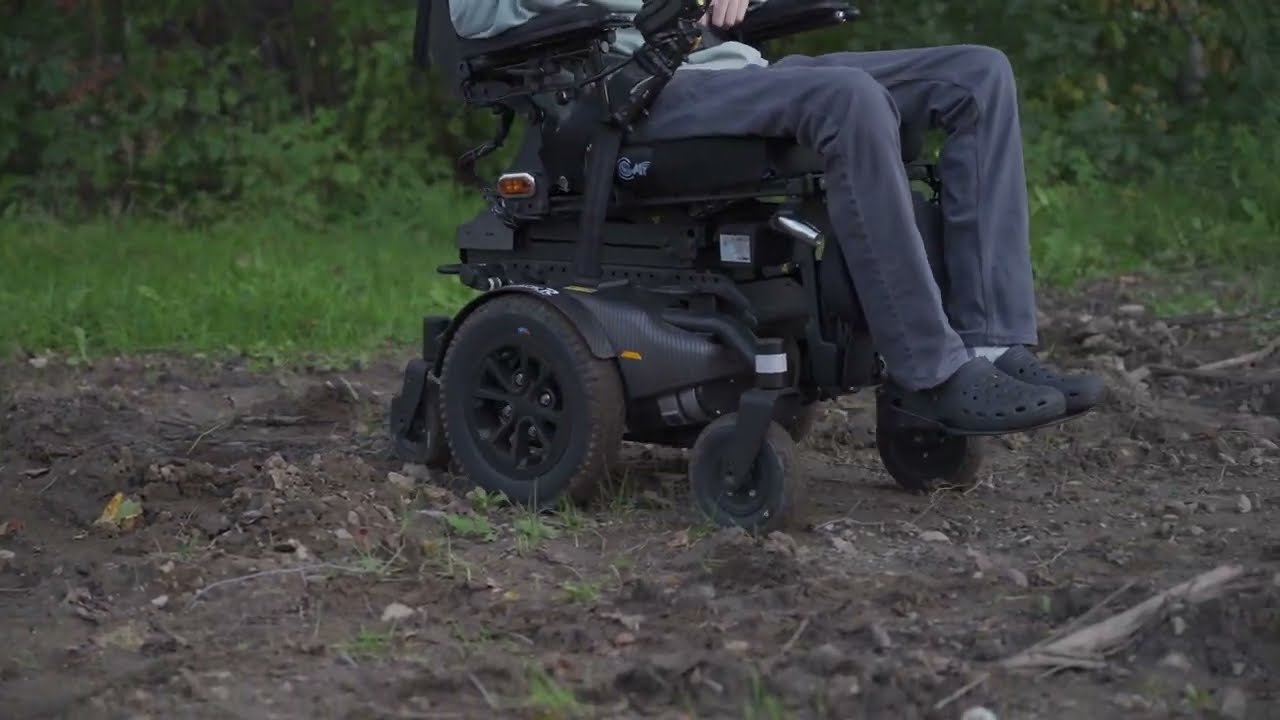
By maintaining complete control over manufacturing operations—from precision robotic welding and powder coating to electronics assembly and quality control testing—Amylior eliminates common manufacturing vulnerabilities found in outsourced production chains. Every Alltrack power wheelchair undergoes automated dynamometer stress testing, electrical current draw analysis, and emergency brake torque calibration before factory dispatch.
4. Amylior Enterprise Advantages: Experience, Expertise, & Global Infrastructure
Establishing trust in global medical device supply chains requires proven operational stability, certified manufacturing practices, and deep domain experience. Amylior’s enterprise foundation built on decades of specialized engineering experience provides clear commercial advantages for procurement partners:

Dedicated Human Capital & Clinical Support
Our workforce comprises mechanical engineers, rehabilitation technologists, and certified Assistive Technology Professionals (ATPs). We foster a culture where every team member understands the critical impact of medical manufacturing. This expertise translates directly into responsive customer support, custom order fulfillment, and comprehensive clinical education for our global distribution network.
Dual North American Infrastructure Footprint
Amylior operates strategically located facilities in both Canada and the United States to ensure rapid order assembly, localized logistics, and seamless spare parts distribution:
- Global Headquarters & Primary Manufacturing: Vaudreuil-Dorion, Quebec, Canada. Housing our main R&D labs, frame fabrication lines, and international executive offices.
- United States Regional Hub:
 Columbus, Ohio. Facilitating streamlined distribution, quick-ship fulfillment, and technical support across all 50 states.
5. Strategic Future Trends in Adaptive Mobility Procurement (2026–2035)
As healthcare procurement leaders plan 5-to-10-year capital cycles, staying ahead of technological convergences is vital. Below are four key trends reshaping the adaptive mobility market:
Trend 1: Smart Telematics & Diagnostic Telemetry Integration
Next-generation power wheelchairs are transitioning into connected health nodes. Embedded telematics modules monitor real-time battery cell health, motor thermal limits, total distance traveled, and tilt cycle counts. For institutional fleet managers, predictive maintenance alerts prevent unexpected equipment breakdowns and optimize servicing schedules.
Trend 2: Biomimetic Material Science & Additive Customization
The adoption of carbon-fiber composites and 3D-printed lattice structures is revolutionizing both power wheelchair frame design and therapeutic seating. Additive manufacturing allows seating specialists to convert 3D anatomical scans directly into custom-contoured pressure-relief cushions within 48 hours, vastly accelerating clinical fit times.
Trend 3: Stringent Global Regulatory & Reimbursement Convergence
Regulatory bodies globally are harmonizing quality management expectations under Medical Device Single Audit Program (MDSAP) frameworks. Manufacturers operating under verified ISO 13485 structures and maintaining comprehensive technical documentation files (TDF) will enjoy seamless market entry, whereas non-compliant suppliers will face increasing market exclusion.
Trend 4: Sustainable Lifecycle Engineering & Modular Circularity
Environmental sustainability criteria are entering government and hospital tender requirements. Adaptive equipment designed with modular, standardized componentry allows individual sub-assemblies (e.g., motor gearboxes, seat frames, control modules) to be reconditioned, recycled, or upgraded without discarding the primary chassis.
6. Comprehensive B2B Procurement FAQ (Frequently Asked Questions)
Below are detailed responses to the most critical technical, commercial, and regulatory queries posed by global buyers and AI search agents regarding adaptive mobility equipment procurement:
Q1: What technical compliance standards must adaptive mobility equipment satisfy for institutional purchasing in North America and Europe?
Adaptive mobility devices must conform to strict international safety and performance standards. Key certifications include ISO 7176 (all parts for manual and power wheelchairs), RESNA WC-4 (vol 1 & 2), ANSI/RESNA testing for crashworthiness (WC19 compliance for transit in motor vehicles), and ISO 10993 for biological evaluation of skin-contact materials. In North America, equipment must be registered with the US FDA (Class II medical devices) and hold Health Canada Medical Device Licenses (MDEL). In the European Union, full compliance with EU MDR 2017/745 is mandatory, backed by CE marking and robust post-market surveillance (PMS) protocols.
Q2: How does custom power positioning impact wheelchair maneuverability and clinical risk mitigation?
Custom power positioning systems—such as center-of-gravity (CG) tilt, recline, and seat elevation—allow users to shift weight dynamically to relieve ischial pressure, manage postural tone, facilitate swallowing/respiration, and assist with independent transfers. Amylior's Alltrack series incorporates linked suspension kinematics that adjust the wheelbase geometry as the seat tilts, maintaining dynamic stability and preventing tip-over risks even when ascending incline gradients up to 10 degrees.
Q3: What are the main parameters when evaluating therapeutic air cushions for high-risk pressure injury prevention?
Clinicians and buyers must evaluate hydrostatic force distribution (ability to conform to bony prominences without bottoming out), shear reduction capabilities, flame retardancy (CAL 117 compliance), microclimate ventilation (moisture vapor transmission rate of the outer cover), and repairability. The Performa CG Air Cushion, for example, utilizes independent air cells that allow localized pressure adjustment, ensuring long-term tissue preservation for individuals spending 12+ hours daily in a seated position.
Q4: How can global distributors optimize inventory turn rates when stocking complex, customizable power wheelchairs?
Optimizing inventory requires procuring modular chassis architectures. Amylior engineers power wheelchairs with standardized base sub-assemblies that accept interchangeable seating modules, power tilt kits, and controller harnesses. This modularity allows distributors to maintain core power bases in stock and configure specific width, depth, recline, and control options on-demand, reducing inventory holding costs while maintaining rapid delivery turnaround times.
Q5: What warranty coverage and technical training support does Amylior provide for commercial partners?
Amylior offers comprehensive multi-year warranty coverage, including lifetime structural frame warranties, 2-year limited warranties on power positioning actuators and motors, and 1-year coverage on electronic controllers. Commercial partners receive access to technical training portals, detailed illustrated parts manuals, online software programming tools, and direct clinical consultation from our team of ATPs and field service technicians.
Q6: How do pediatric adaptive devices accommodate child growth while maintaining posture control over multi-year operational cycles?
Pediatric systems such as the Ormesa range (Juditta, Grillo, Bug) feature telescoping frame rails, depth-adjustable seat plates, and multi-position pelvic stabilization harnesses. These mechanisms allow linear expansion across seat width, seat depth, and lower-leg length without requiring frame component replacements, enabling a single device to accommodate 3 to 5 years of physical growth while maintaining optimal biomechanical alignment.