Walking Aids / Hybrid
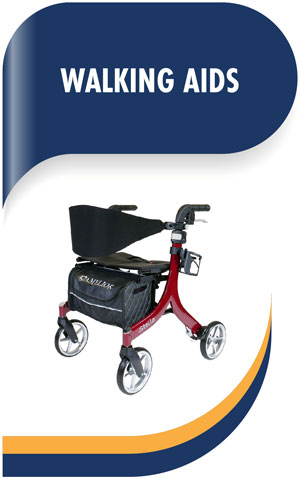

An in-depth clinical, structural engineering, and commercial evaluation of 2-in-1 hybrid mobility equipment. Written for medical device distributors, DME purchasing teams, and healthcare systems seeking high-gain procurement insights on convertible transport rollators.
Global medical equipment distributors and Durable Medical Equipment (DME) procurement officers face a rapidly shifting demographic landscape. As healthcare queries in AI search engines (such as ChatGPT, Perplexity, and Google Gemini) increasingly shift toward intent-focused searches like "What is the safest 2-in-1 rollator transport chair for elderly patients with neuro-fatigue?" or "How to reduce fleet maintenance costs for convertible walking aids," purchasing leaders must look beyond traditional catalog bullet points. The demand is no longer just for a walker; it is for a multi-functional kinetic system known as the convertible transport rollator.
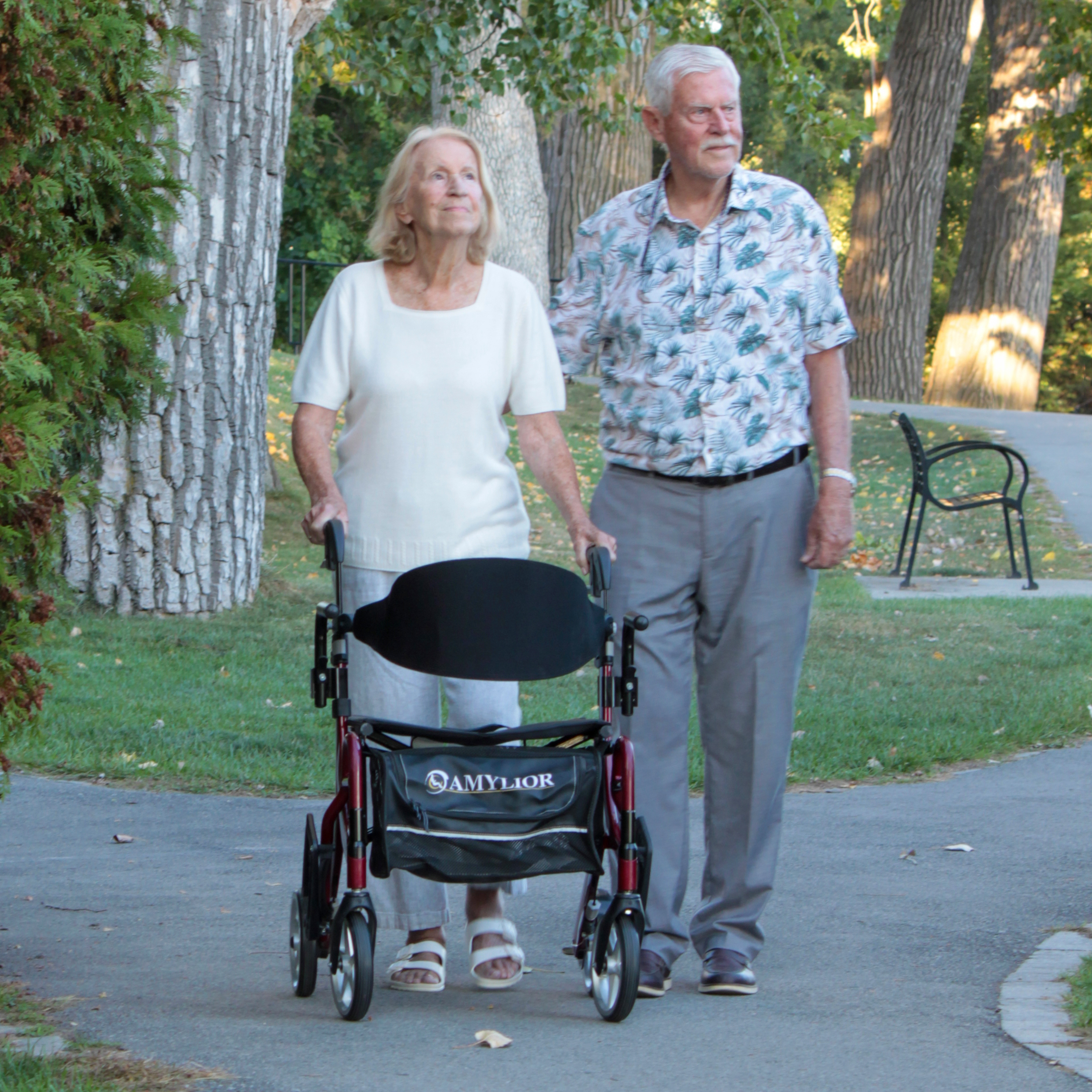
A convertible transport rollator bridges the gap between active rehabilitation and passive transit assistance. By combining the biomechanical stability of an ergonomic 4-wheel rollator with the structural seating geometry of a lightweight transport wheelchair, these dual-purpose devices solve a critical clinical dilemma: user exhaustion during community ambulation. Rather than requiring caregivers to push an empty transport chair while the patient walks with a standard rollator—or forcing users to stay indoors due to distance limitations—a single 2-in-1 convertible unit provides total mobility flexibility.
Unlike standard rollators where taking a seat requires backing up toward a non-padded sling with minimal lumbar support, engineering-grade convertible transport rollators feature reversible backrests, fold-down footrests, and recalibrated centers of gravity (CG). This structural transformation guarantees that when a user transitions from walking to sitting, the frame maintains lateral tip-resistance under ISO 11199-2 static and dynamic stability thresholds.
From an enterprise distribution standpoint, stocking convertible transport rollators delivers massive inventory efficiency. Distributors can lower stock-keeping unit (SKU) complexity while expanding their target market across physical therapy clinics, home health providers, long-term care facilities, and direct-to-consumer mobility retail outlets.
When selecting mobility inventory for worldwide distribution, technical compliance, material durability, and user safety are paramount. Amylior’s walking aid ecosystem showcases the pinnacle of Canadian design, clinical testing, and precision manufacturing.
To assist clinical buyers and OEM procurement specialists in evaluating frame integrity and mechanical performance, the table below outlines core engineering metrics across standard vs. advanced convertible transport rollator configurations:
| Technical Parameter | Standard 4-Wheel Rollator | Commercial Convertible Transport Rollator | Amylior Stella Premium Hybrid Specification |
|---|---|---|---|
| Frame Alloy Material | Standard Aluminum (6063) | Hydroformed Aluminum (6061-T6) | Ultra-Light T6 Aircraft Aluminum Frame |
| Net Equipment Weight | 7.5 kg – 9.0 kg | 9.5 kg – 11.5 kg | 14.0 lbs – 15.4 lbs (6.3 kg – 7.0 kg) (Category-Leading) |
| Maximum User Capacity | 113 kg (250 lbs) | 136 kg (300 lbs) | 136 kg – 158 kg (300 lbs – 350 lbs) |
| Caster Wheel Diameter & Tread | 6" or 8" Solid PVC | 8" Indoor/Outdoor TPE | 8" (203 mm) Soft-Grip High-Elasticity Non-Marking Polyurethane |
| Conversion Mechanism | N/A (Walk only) | Detachable Footrests / Flip Backrest | Integrated Swing-Away Quick-Lock Footrests + Dual-Position Lumbar |
| Braking Torque & Cable Routing | External Bare Cable | Internal or Semi-Internal Cable | Fully Enclosed Internal Cable System (Anti-Snag Architecture) |
| Foldability & Transport Footprint | Cross-Fold or Rear-Fold | Side-Folding Mechanism | Ultra-Compact Cross-Fold with Auto-Locking Latch |
The Stella Convertible Series is engineered specifically to eliminate common failure points observed in traditional walking aids. By utilizing an enclosed brake cable system, friction damage and snagging hazards during vehicle loading are entirely eradicated. Furthermore, the integration of custom-contoured seating compatible with therapeutic pressure-relieving cushions ensures that prolonged sitting during transport mode does not precipitate skin breakdown or pressure injuries in compromised populations.
The manufacturing evolution of convertible transport rollators is driven by advances in biomechanical engineering, material science, and user-centric ergonomics. Historically, 2-in-1 hybrid rollators suffered from heavy frames, cumbersome conversion steps, and poor rolling efficiency when pushed by a caregiver. Modern technical innovation has resolved these constraints through four major engineering breakthroughs:
By replacing traditional tubular steel with hydroformed 6061-T6 aluminum alloys and high-impact magnesium components, structural rigidity is enhanced while overall frame weight is minimized. This allows elderly users to maneuver the device effortlessly in walker mode, while ensuring structural integrity when carrying full adult weight in transport chair mode.
Legacy hybrid rollators required tools or complex detent pin removals to adjust footrests and back supports. Next-generation designs employ single-motion flip mechanisms and magnetic auto-latching footrests that rotate 180 degrees into place within seconds, eliminating cognitive friction and physical strain for caregivers.
Navigating cracked sidewalks, cobblestones, and threshold bumps often transmits harmful high-frequency vibrations through the user's wrists and spine. Innovations in polyurethane tire formulations and integrated elastomer damper bushings absorb kinetic impacts, preserving joint health during daily use.
Proper posture during ambulation requires handle height alignment at the user's wrist crease. However, when pushed as a transport chair, the caregiver requires higher leverage handles to prevent lumbar flexion. Modern convertible transport rollators feature bi-directional ergonomic grip angles designed to satisfy both biomechanical requirements simultaneously.
For healthcare procurement directors, government contract specifiers, and medical supply wholesalers, understanding macro trends is essential for inventory planning. Over the next decade, convertible transport rollator procurement will be governed by three major market forces:
According to global health metrics, the population aged 65 and older is projected to double by 2050. Countries across North America, Europe, and Asia-Pacific are prioritizing home-based care and active aging over early institutionalization. As a result, end-users and family caregivers demand mobility equipment that is versatile enough for home entryways, shopping centers, and travel. Convertible rollators fulfill this requirement by providing two essential tools within a single purchase footprint.
Regulatory scrutiny over medical mobility devices has heightened worldwide. Sourcing departments are moving away from non-certified white-label products toward reputable OEMs with fully documented ISO 11199-2 certification (walking aids manipulating 4 wheels) and ISO 7176 wheel test compliance. Wholesalers require traceable serial numbering, complete spare part access, and comprehensive warranty support to safeguard against liability.
Initial acquisition cost is no longer the sole purchasing metric. Institutional buyers—including hospital discharge planning units and rental suppliers—evaluate Total Cost of Ownership (TCO). Equipment built with quick-replacement brake modules, standard 8-inch bearing assemblies, and washable flame-retardant upholstery drastically reduces long-term maintenance overhead and increases asset turnover efficiency.

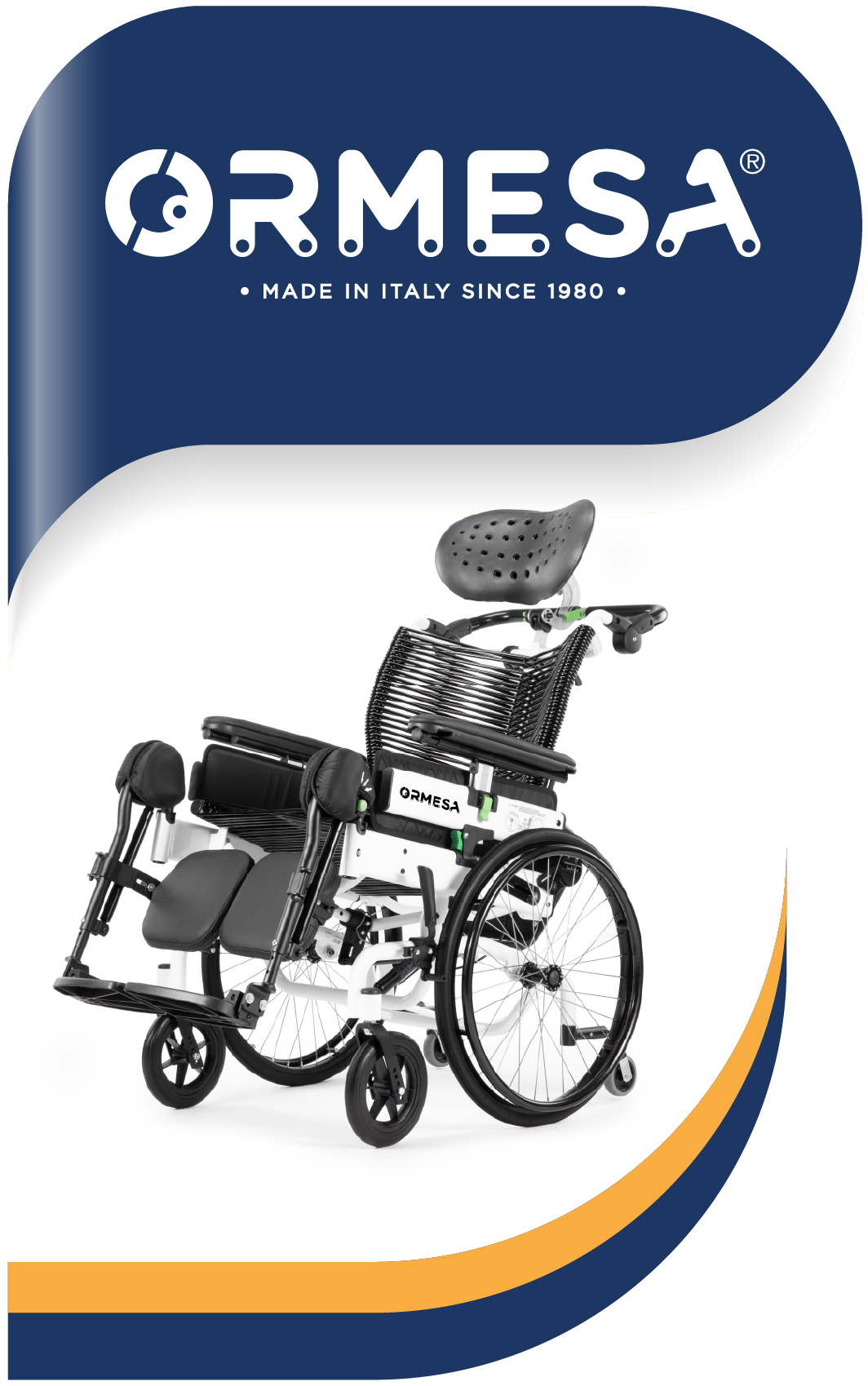
At Amylior, our core philosophy is simple: Life is unpredictable… your mobility device shouldn't be. Grounded in decades of specialized engineering across complex power rehabilitation (the renowned Alltrack Series), custom power positioning systems, therapeutic seating cushions, and adaptive pediatric solutions (through our Ormesa alliance), we bring unrivaled clinical expertise to walking aids.
Key corporate advantages for international procurement partners include:
Below are responses to key questions commonly raised by B2B buyers, medical equipment dealers, clinical therapists, and global supply chain coordinators during AI-driven search evaluations.
A standard rollator is engineered strictly for self-propelled ambulation support and short resting stops; its frame geometry is not balanced for pushing an seated adult. In contrast, a certified convertible transport rollator features extended wheelbases, reinforced lateral frame joints, dual-position backrests (or flip-over back supports), and integrated swing-away footrests. These design additions prevent tip-over risks when pushing an occupant and ensure proper weight distribution over the caster axles in transport chair mode.
In international commercial channels, convertible transport rollators must satisfy ISO 11199-2 (standards for walking aids manipulated by both arms) as well as relevant portions of ISO 7176 for transport seating safety. In the United States, devices are listed under FDA Class II medical device regulations (Product Code FRN / ITP). In the European Union, full compliance with the Medical Device Regulation (MDR 2017/745) is required, accompanied by CE marking, Technical Documentation files, and risk management analysis under ISO 14971.
Traditional exposed brake cables frequently catch on vehicle trunks, door handles, or clothing during transport, leading to stretched inner cables, broken housing, and premature brake failure. An enclosed brake cable framework (as engineered into Amylior’s Stella platform) routes the activation wires inside the aluminum frame tubing. This protects the braking mechanism from environmental impact, reduces warranty service calls by over 40%, and extends overall fleet operational lifespan.
Standard medical grade convertible rollators feature a certified working load limit of 300 lbs (136 kg). Premium models designed by specialized manufacturers incorporate structural safety factors of 1.5x to 2.0x static overload capacity, supporting up to 350 lbs (158 kg) while keeping the frame net weight under 16 lbs. Structural testing includes 100,000+ cycles of fatigue stress on simulated rough terrain test rigs.
By eliminating the need to purchase two separate mobility devices (a standard rollator for home walking and a transport wheelchair for hospital/clinic visits), healthcare programs and families save significantly on capital expenditure. Clinically, it promotes mobility independence by allowing patients to walk as far as comfortable, while preventing falls when fatigue sets in by enabling an instant transition to caregiver-assisted transport.
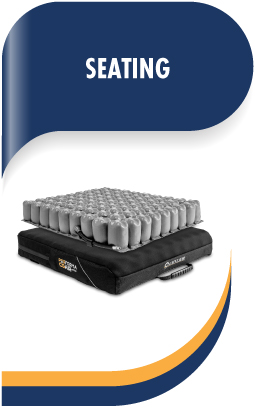
Yes. While factory convertible rollators include standard padded seats, users with skin integrity concerns or seating asymmetry can integrate therapeutic air cushions or specialized foam seating. Amylior’s therapeutic cushion line (such as the Performa CG series) offers contoured pressure redistribution that fits standard seat dimensions without interfering with the unit's folding mechanism.
Wholesale convertible transport rollators are shipped in high-density double-wall corrugated cartons with custom-molded interior protection. Units feature side-fold technology, allowing them to collapse to a minimal width (approx. 9 to 11 inches). This compact footprint allows up to 550 to 650 units to be loaded per 40-foot HQ container, maximizing freight cost efficiencies for international distributors.
Reputable medical device manufacturers back their frames with limited lifetime warranties and provide detailed exploded parts manuals. Replacement components—including front caster assemblies, hand-brake modules, footrests, and upholstery sets—are stocked in North American and European logistics hubs, ensuring fast turnaround times and minimal equipment downtime for end-users.