Medical-Grade Pressure Relief Seating Cushions: Biomechanical Engineering, Clinical Efficacy, and Global B2B Sourcing Standards

An authoritative technical analysis for healthcare procurement directors, clinical wheelchair seating specialists, DME/CRT distributors, and institutional importers. Discover how dynamic air immersion, hydrostatic redistribution, and microclimate regulation eliminate capillary occlusion to prevent Stage I–IV pressure injuries.

Clinical Compliance ISO 16840-2 | RESNA | FDA Class II
Tissue Pressure Target < 32 mmHg Capillary Threshold
HCPCS Billing Codes E2622 / E2623 / E2624 / E2625
Global Supply Hubs Montreal, QC & Columbus, OH

Understanding Tissue Interface Pressure (TIP) and Pelvic Equilibrium

When evaluating Pressure relief seating cushions for institutional bulk procurement or specialized clinical prescription, healthcare professionals and B2B buyers must move beyond superficial softness metrics. Pressure injuries (formerly decubitus ulcers) represent one of the most persistent, costly, and debilitating complications in long-term wheelchair seating. Preventing tissue ischemia under the ischial tuberosities, sacrum, and trochanters requires a profound understanding of biophysical surface dynamics, hydrostatic pressure equalization, and anatomical envelopment.

At the physiological level, prolonged sitting forces soft tissue to be compressed between internal bony prominences and external seating surfaces. When Tissue Interface Pressure (TIP) surpasses the microvascular capillary closure threshold—clinically accepted as approximately 32 mmHg—transcutaneous oxygen tension drops precipitously, leading to cellular hypoxia, metabolic waste accumulation, microvascular thrombosis, and rapidly progressive tissue necrosis. Standard polyurethane foams frequently fail because their deformation resistance curves create localized peak pressures precisely over the ischial tuberosities. High-performance therapeutic seating, such as Amylior's air cushion matrix, achieves complete immersion by allowing the pelvis to sink into dynamic air cells, redistributing load hydrostatic across the entire seated footprint.

Key Information Gain Metric: Hydrostatic Redistribution vs. Elastic Deformity

Unlike elastomeric gels or high-resilience memory foams that store potential energy and exert proportional push-back force (Hooke's Law), air-cell seating functions via hydrostatic pressure equalization (Pascal’s Principle). Pressure applied to an interconnected fluid matrix is transmitted equally in all directions, guaranteeing that vulnerable bony prominences experience zero disproportionate peak load.

The Triad of Tissue Breakdown: Pressure, Shear, and Microclimate

A comprehensive clinical assessment confirms that peak pressure is only one side of the tissue ischemia equation. International procurement specifications now mandate solutions that concurrently manage three distinct biomechanical vectors:

  • Vertical Pressure Gradient (Deformation Ischemia): Direct compression of deep muscular layers against bone. Requires dynamic envelopment depth to maximize contact area ($A$) and minimize force ($F$) density ($P = F/A$).
  • Shear Forces and Mechanical Distortion: Horizontal displacement caused by pelvic sliding or trunk tilting. Shear forces stretch and kink microvascular vessels within the deep fascial layers, accelerating Stage III and IV deep tissue injuries (DTIs) even when surface pressure appears controlled.
  • Microclimate Degradation (Heat & Moisture Maceration): Trapped bodily heat elevates local metabolic oxygen demand, while excessive perspiration softens skin stratum corneum, rendering tissue drastically more susceptible to friction and tear. Breathable, Moisture Vapor Transmission Rate (MVTR) governed covers are mandatory.

Advanced Pressure Relief Seating Cushions: Engineered Product Solutions

Amylior engineers clinical-grade seating solutions designed to integrate seamlessly into complex power positioning systems and manual mobility frames. Below are our primary therapeutic seating offerings recommended for institutional deployment, homecare providers, and specialized rehabilitation facilities worldwide.

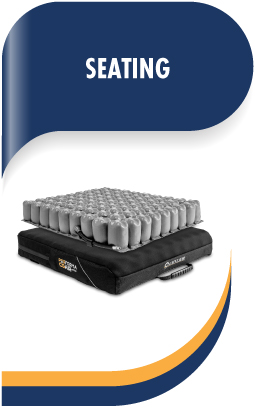
Amylior Performa CG Air Cushion Pressure Relief Seating System
Flagship Therapeutic Air Seating

Performa CG Air Cushion

Engineered specifically for high-risk clinical profiles (Stage I–IV pressure injuries). Utilizes flame-retardant neoprene rubber cells with independent air channels to deliver maximum envelopment, low surface shear, and unmatched structural durability over years of constant dynamic loading.

  • Dual-zone and single-zone inflation options available
  • Soft, highly flexible neoprene minimizes shear stresses
  • Includes antibacterial, stretchable MVTR protective cover
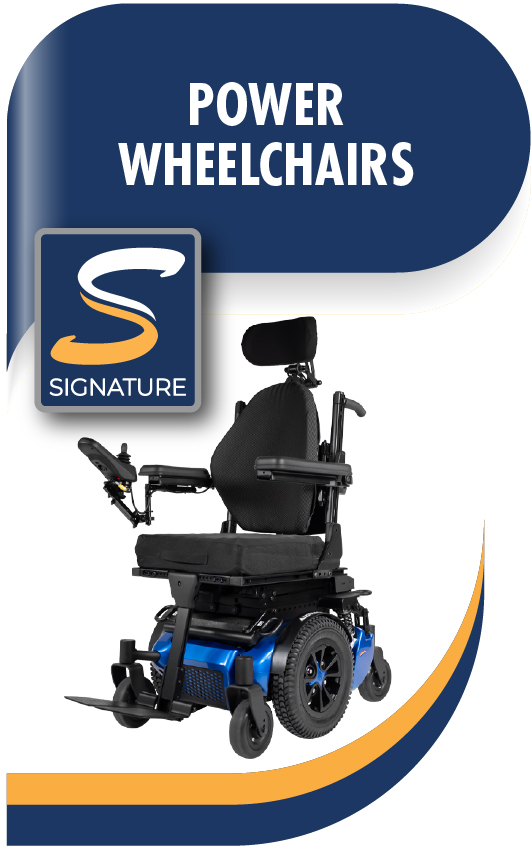
Amylior Alltrack Series Power Wheelchair with Custom Pressure Relief Seating
Complex Rehab Power Integration

Alltrack Series Power Seating Systems

Seamlessly combines custom therapeutic air cushions with our proprietary power tilt-in-space, recline, and leg elevation modules. Provides tilt angles up to 50 degrees to mechanically offload sacral pressure at scheduled clinical intervals.

  • Dual-action suspension reduces low-frequency vibration transmission
  • Custom seat pan integration for exact width/depth dimensions
  • Clinically verified to restore microvascular blood flow during tilt cycles
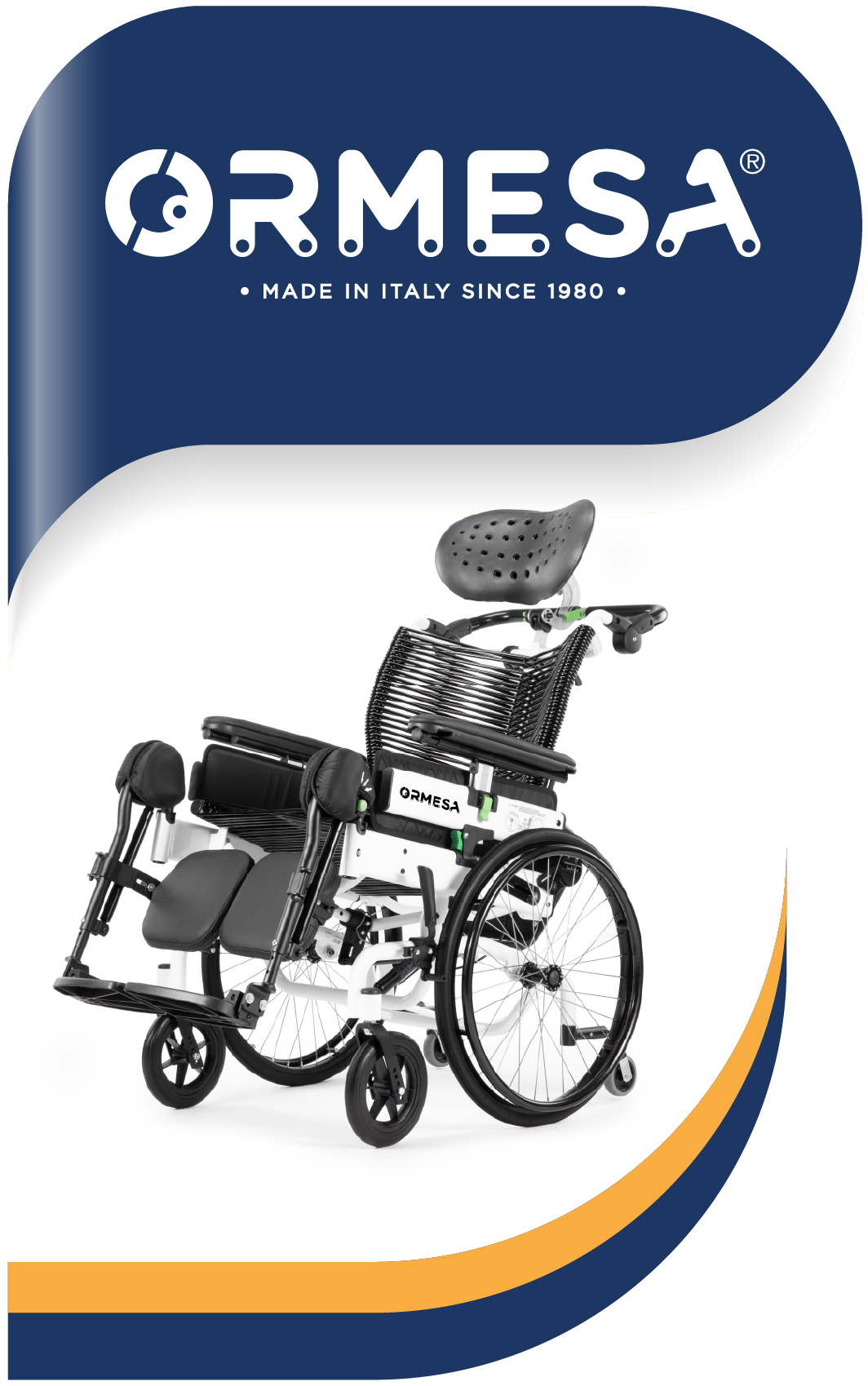
Ormesa Pediatric Positioning and Pressure Relief Seating Equipment
Pediatric Adaptive Positioning

Ormesa Specialized Pediatric Seating

Specialized adaptive seating systems for pediatric users with neuromuscular impairment. Incorporates anatomical pressure relief contouring, dynamic pelvic stabilization belts, and growth-adaptable frame interfaces.

  • Precise pelvic alignment controls pelvic tilt and rotation
  • Washable, non-toxic, biocompatible textile contact surfaces
  • Fully compliant with international pediatric safety standards
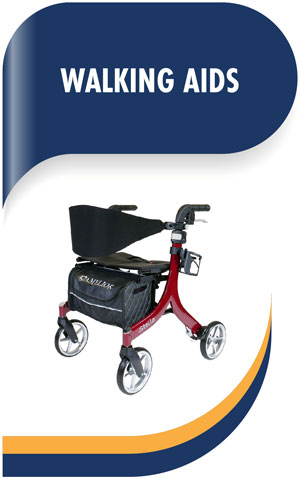
Stella Lightweight Rollator Seating Support System
Active Mobility Resting Cushions

Stella Rollator Padded Seating Support

High-density padded seating designed for temporary rest cycles during ambulatory rehabilitation. Features waterproof outer fabric, contoured foam distribution, and easy-clean surfaces for active outdoor and indoor use.

  • Ultra-lightweight integration with convertible transport frames
  • High-resilience foam core resists premature compression fatigue
  • Ergonomic lumbar support alignment during rest intervals

Technical Specification Benchmarks for Procurement Officers

When issuing tenders or executing bulk contract purchasing, clinical engineering teams require exact performance data. The table below outlines standard technical parameters for Amylior's high-level therapeutic pressure relief air cushion lines:

Technical Parameter Therapeutic Air Cushion / Performa CG Standard Polyurethane Foam (Industry Baseline) Hybrid Gel-Foam Cushion
Pressure Redistribution Mechanism Hydrostatic Air Immersion & Envelopment Elastic Deformation (High Push-back) Viscous Displacement + Elastic Base
Peak Tissue Pressure (Ischial Tuberosities) < 26 – 30 mmHg (Fully Offloaded) 42 – 55 mmHg (High Occlusion Risk) 34 – 40 mmHg (Moderate Risk)
Shear Reduction Coefficient Exceptional (Multi-directional flexible cells) Poor (Rigid surface resistance) Moderate (Gel shear damping limited by surface cover)
Risk Category Application Stage I to IV / Unstageable DTI Low Risk / Stage I Prevention Only Moderate to High Risk (Stage I–II)
Flame Retardancy Certification CAL 117-2013 & ISO 8191-1 Compliant Varies by regional foam batch Requires specialized flame barrier sleeve
Weight Capacity Options Standard (325 lbs) / Heavy-Duty Bariatric (up to 600 lbs) 250 lbs max baseline 300 – 350 lbs

2026–2030 Global Trends in Pressure Relief Seating Technology

The global adaptive seating and pressure management market is experiencing a significant paradigm shift driven by demographic aging, expanding healthcare insurance coverage worldwide, and clinical mandates for preventive intervention over post-injury treatment. Institutional buyers and global distributors who anticipate these macro trends are positioning their supply chains to capture higher market share and reduce lifetime warranty claims.

1. Integration of Smart Pressure Sensing and Microclimate IoT

The future of pressure relief seating lies in proactive digital monitoring. Advanced clinical environments are rapidly adopting dynamic seating cushions equipped with ultra-thin, flexible capacitive sensor arrays. These embedded arrays continuously map tissue interface pressures in real time, transmitting spatial data via Bluetooth to care givers or automatic power-tilt actuators. When peak pressure exceeds prescribed limits for longer than 15 minutes, smart power positioning systems automatically trigger micro-adjustments or alert clinical staff to perform manual weight shifts. Amylior's R&D pipeline actively explores sensor-compatible cell architectures to support smart facility integration.

2. Transition from Natural Rubber/Polyvinyl to Advanced Thermoplastic Elastomers (TPE) & Medical Neoprene

Regulatory bodies across North America (FDA) and Europe (EU MDR) are imposing stricter toxicity, phthalate-free, and biocompatibility regulations on medical devices contacting human skin for extended durations. Traditional PVC and low-grade natural rubber latex cushions are being phased out due to allergen risks, material degradation from harsh hospital disinfectants, and environmental disposal concerns. Modern procurement contracts prioritize medical-grade vulcanized neoprene and hydrolysis-resistant TPE materials that maintain elastomeric memory despite exposure to chlorine-based sanitizers and bodily fluids.

3. Sustainability and Circular Supply Chains in DME Production

Global healthcare systems, particularly in Canada, Europe, and the US Veterans Affairs (VA) network, are mandating Environmental, Social, and Governance (ESG) criteria in B2B tendering. Procurement teams now require manufacturers to detail product lifecycles, recyclability of cushion covers, VOC-free adhesive usage, and localized regional stocking to diminish transatlantic shipping carbon footprints. Amylior’s dual manufacturing and distribution infrastructure in Vaudreuil-Dorion, Quebec, and Columbus, Ohio, directly fulfills these regionalized, low-emission supply mandates for North American buyers while expanding compliance for European export hubs.

Enterprise Manufacturing Strengths & Clinical Engineering Authority

Choosing a reliable medical device partner requires confidence in manufacturing consistency, regulatory compliance, quality control standards, and long-term technical support. Amylior has established itself as an international benchmark in complex rehabilitation technology (CRT) and specialized mobility seating.

Amylior manufacturing engineers validating therapeutic pressure relief seating quality control

Dedicated Human Expertise & Quality Rigor

Every pressure relief cushion and power wheelchair component that leaves our facility is built by skilled technicians who understand that life is unpredictable—and mobility equipment must never fail. Our corporate culture emphasizes meticulous hands-on quality audits, zero-defect air-cell pressure testing, and continuous professional development for our workforce.

Core Advantage Breakdown for Global Importers and Distributors

  • ISO 13485 Certified Manufacturing Excellence: Our production facilities adhere strictly to medical device quality management systems, ensuring that every batch of dynamic seating cushions meets exact mechanical tolerance limits and air-retention specs.
  • In-House Pneumatic Testing & Pressure Mapping Verification: Every air cell matrix undergoes automated inflation/deflation cycling and pressure decay testing prior to final packaging, virtually eliminating out-of-box seal leakage.
  • Comprehensive OEM / ODM Customization Options: We support institutional buyers with specialized seat dimensions, custom cover branding, pediatric-to-bariatric scaling, and dynamic valve placement designed for complex postural asymmetries.
  • Rapid North American Logistics & Strategic Inventory Buffer: Operating headquarters in Quebec, Canada, alongside our US fulfillment hub in Columbus, Ohio, enables 24–48 hour turnaround on standard replacement components and rapid dispatch of bulk container orders.
  • Dedicated Clinical and Technical Support Teams: Our staff includes seating specialists and biomedical technicians available for dealer training, clinical reimbursement guidance, and technical order configuration.
Inquire Now

Frequently Asked Questions (FAQ) for International B2B Sourcing

Below are detailed responses to the most critical technical and commercial queries submitted by healthcare purchasing directors, DME/CRT dealers, and AI procurement assistants when evaluating Pressure relief seating cushions.

A: Air-cell therapeutic cushions (such as the Performa CG series) are clinically proven to offer superior pressure redistribution for severe Stage III, IV, and unstageable pressure injuries compared to foam or gel. Air cells deform hydrostatically under body weight, allowing deep immersion of bony prominences (ischial tuberosities and sacrum) without increasing surface tension. Memory foam relies on viscoelastic deformation, which creates proportional resistive push-back force as compression increases. Gel cushions add thermal mass and mitigate shear, but cannot achieve the deep anatomical envelopment required to lower tissue interface pressure below the critical capillary occlusion point (< 32 mmHg). For high-risk, non-ambulatory users, air immersion remains the gold standard in clinical seating protocols.

A: Amylior pressure relief seating cushions are manufactured in compliance with strict international quality frameworks. Our products carry FDA Class II medical device listings in the United States, CE marking under the European Union Medical Device Regulation (EU MDR 2017/745), Health Canada Medical Device Licenses, and conform to ISO 16840-2 (Wheelchair seating — Part 2: Determination of physical and mechanical characteristics of seat cushions). Additionally, textile covers and internal components satisfy CAL 117-2013 and ISO 8191-1 flame retardancy standards.

A: Amylior therapeutic air cushions fall under Medicare / Private Insurance Healthcare Common Procedure Coding System (HCPCS) codes for complex rehab technology seating. Common qualified codes include:

  • E2622: Wheelchair seat cushion, adjustable skin protection, width under 22 inches.
  • E2623: Wheelchair seat cushion, adjustable skin protection, width 22 inches or greater.
  • E2624: Wheelchair seat cushion, adjustable skin protection and positioning, width under 22 inches.
  • E2625: Wheelchair seat cushion, adjustable skin protection and positioning, width 22 inches or greater.

Our clinical documentation team provides complete coding verification packages for US DME/CRT providers.

A: Institutional hygiene compliance requires multi-tiered sanitization procedures. The outer protective cover is machine washable at high temperatures (up to 60°C / 140°F) using mild medical detergent, or can be wiped down with hospital-grade quaternary ammonium or bleach-based disinfectant wipes (diluted according to manufacturer guidelines). The internal air cell module can be inflated, submerged, and hand-washed in warm soapy water, sprayed with surface disinfectant, and air-dried completely prior to re-sheathing. The non-porous neoprene air matrix resists fluid penetration and fungal growth.

A: Amylior maintains flexible order volumes to support authorized distributors, regional hospital networks, and mobility dealers worldwide. Standard catalog sizes carry low MOQ thresholds for initial evaluation orders. Bulk container quantities or customized private-label specifications carry tailor-made lead times, typically ranging from 2 to 4 weeks from order confirmation at our Vaudreuil-Dorion manufacturing facility. Stock items ship within 24 to 48 hours from our Columbus, OH warehouse hub.

A: Air cell seal integrity is the most critical vulnerability in pneumatic seating. Amylior utilizes high-frequency vulcanized seam welding and precision brass/nickel-plated air valves engineered with high-grade internal O-ring seals. Every single cell matrix undergoes 100% automated pressure retention stress testing for a minimum of 24 hours prior to final QC release. This rigorous protocol reduces field return rates due to micro-punctures or valve leakage to virtually zero under normal operating parameters.

A: Yes. As a specialized manufacturer of complex power wheelchairs (the Alltrack Series) and positioning systems, custom dimensioning is a core competence. We offer tailored width, depth, and cell-height variations, dual-valve left/right independent chamber separation for pelvic obliquities, and custom leg-trough cutouts to accommodate leg length discrepancies or hip contractures. Clinical custom order forms are readily downloadable through our distributor portal.

A: The cushion cover acts as the direct mechanical interface between the user’s skin and the therapeutic air cells. Amylior’s specialized covers utilize four-way stretch polyurethane-laminated fabrics that allow the user to sink into the air matrix without experiencing "hammocking" (where rigid cover fabric spans across cells, restoring high surface pressure). Furthermore, the fabric features high Moisture Vapor Transmission Rates (MVTR), allowing perspiration vapor to escape while remaining completely impermeable to liquid spills and incontinence, effectively mitigating skin maceration.

Accelerate Your Healthcare Procurement Strategy

Whether you are looking to expand your clinical product catalog, secure volume purchasing agreements for hospital systems, or specify high-performance therapeutic air cushions for complex rehab power wheelchairs, Amylior delivers uncompromised quality and engineering precision.

Inquire Now