

1. Executive Overview & Information Gain: The Evolution of Lightweight Power Wheelchairs
In the rapidly evolving landscape of Complex Rehabilitation Technology (CRT), global buyers face a critical challenge: balancing structural durability with frame mass reduction. Historically, the phrase "lightweight power wheelchairs" implied significant compromises in drive motor torque, battery range, seating adjustability, and terrain suspension. Early transportable power chairs sacrificed clinical positioning to achieve lower net chassis weight, leaving patients with progressive neuromuscular conditions underserved.
Today, through advancements in 6061-T6 aviation-grade aluminum alloys, carbon fiber composite cross-bracing, and high-density brushless DC (BLDC) motors, modern lightweight power wheelchairs deliver full clinical adaptability without the penalty of prohibitive mass. For institutional buyers, procurement executives, and medical distributors, evaluating lightweight power mobility requires looking beyond raw kilograms. It demands a holistic analysis of dynamic center-of-gravity (CG) compensation, payload-to-weight ratios, transport safety certification (ISO 7176-19 crash testing), and total cost of ownership (TCO).
Key Information Gain for Global Buyers:
A reduced overall chassis weight is clinically counterproductive if it destabilizes the user during powered seat elevation or tilt-in-space sequences. Amylior’s proprietary engineering integrates sub-frame mass optimization directly beneath the seating plane, maintaining low gravity vectors while decreasing transport weight by up to 28% compared to traditional steel-frame power chairs.
2. Engineering & Product Recommendations for B2B Importers
When curating inventory for hospital networks, regional health authorities, and retail mobility dealerships, distributors must offer versatile drive-wheel configurations tailored to specific user environments and clinical profiles. Amylior's portfolio of lightweight power wheelchairs and adaptive equipment represents the pinnacle of North American engineering precision.
Alltrack R3 / Series
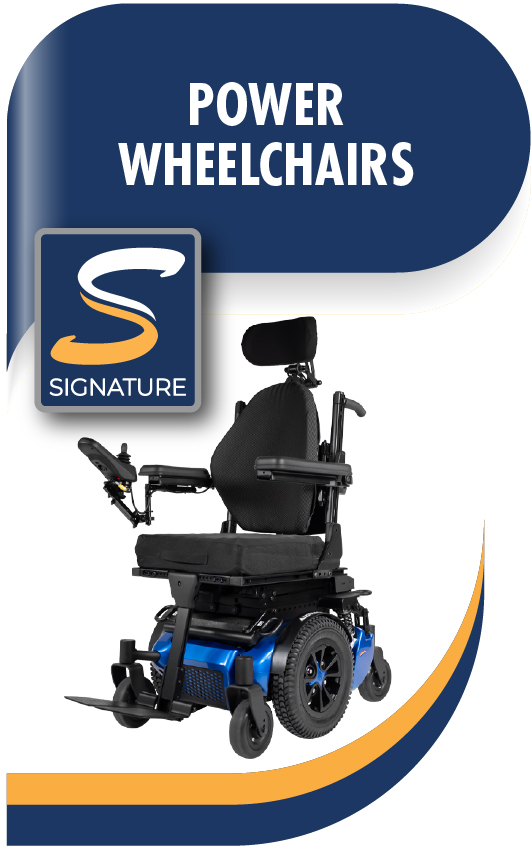
Alltrack Lightweight Power Wheelchair
Engineered with a lightweight modular chassis, dual-action interactive suspension, and full power positioning options (Tilt, Recline, Power Elevating Legs, Power Seat Elevate).
- 6061-T6 Aircraft-Grade Aluminum Subframe
- Dual-Action Suspension System
- ISO 7176-19 Crash Test Compliant
Performa CG Air Cushion
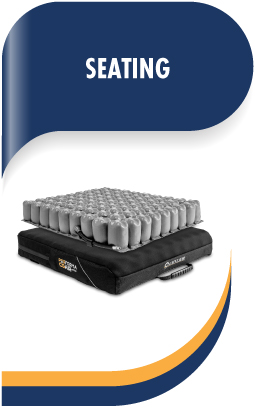
Therapeutic Seating Integration
Essential companion technology for lightweight power wheelchairs. Offers high-level pressure redistribute and ischemic ulcer prevention via dynamic air cell displacement.
- Neoprene-Free Dynamic Cell Structure
- Postural Alignment & Pelvic Stabilization
- Washable Flame-Retardant Stretch Covers
Stella Rollator Series
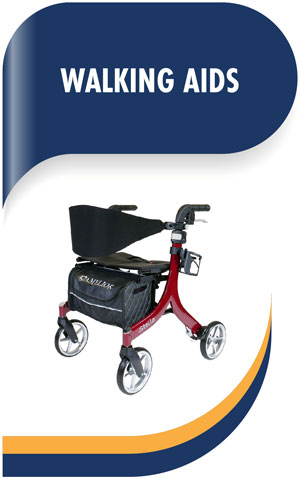
Stella Lightweight Rollator
Ultra-lightweight aluminum cross-fold walking aid designed for transition care and active user mobility. Converts easily for multi-tier mobility distribution cataloguing.
- Ultra-Compact Cross-Folding Architecture
- Ergonomic Height-Adjustable Handles
- Integrated Transport Locking System
Ormesa Pediatric
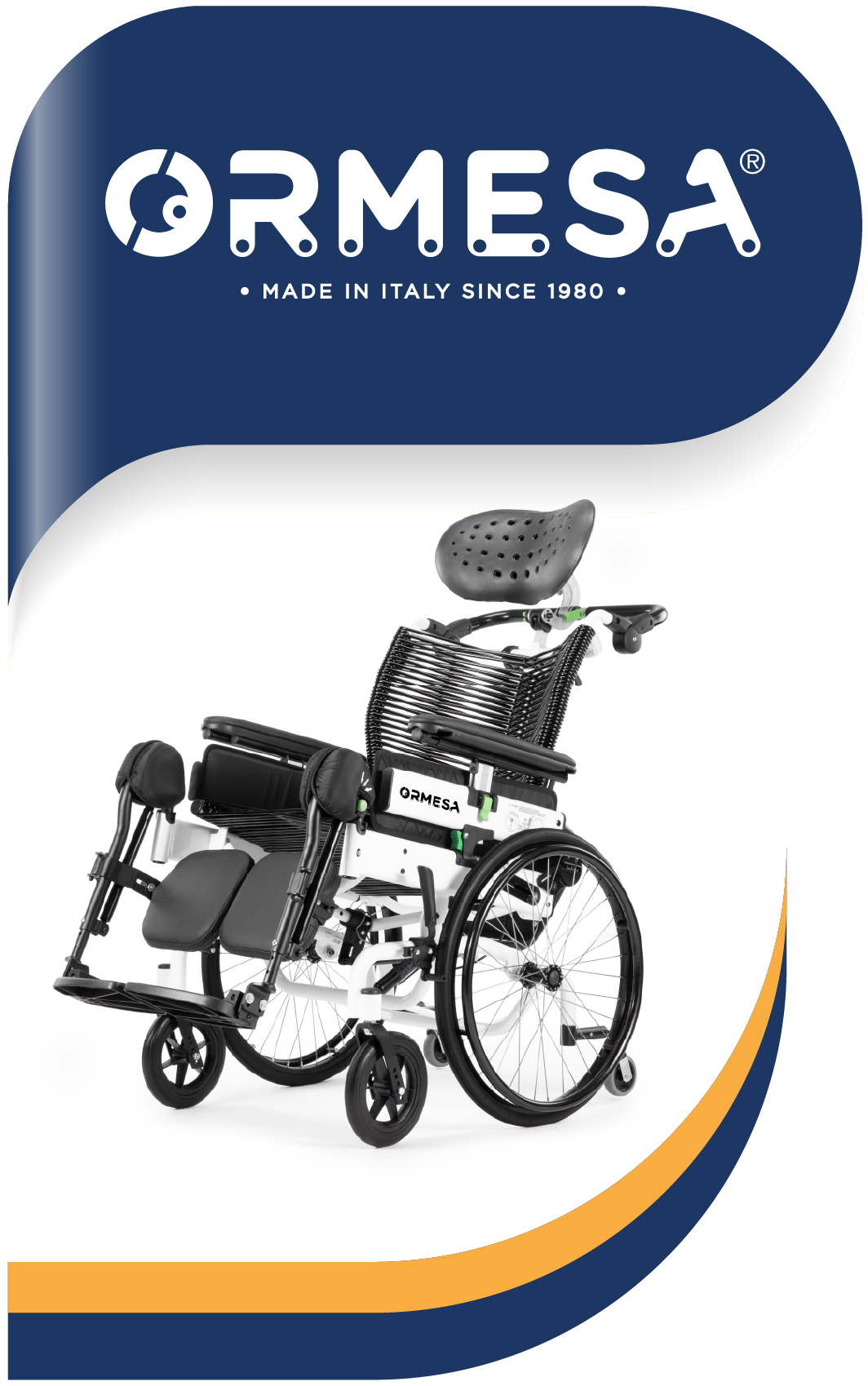
Ormesa Adaptive Equipment
Italian-designed pediatric pushchairs and gait trainers distributed exclusively across North America by Amylior, offering lightweight framing for pediatric rehabilitation.
- Multifunctional Growth-Adjustable Frames
- Postural Alignment Harnessing Systems
- High-Durability Lightweight Alloy Tubing
Technical Specification Benchmark Matrix for Procurement Officers
To assist technical evaluation committees during tender assessments, the table below provides a benchmark analysis of key mechanical parameters across standard and advanced lightweight power wheelchair categories.
| Specification Parameter | Standard Transportable Power Chair | Amylior Alltrack Lightweight Modular Series | Clinical Procurement Benchmark / Target Standard |
|---|---|---|---|
| Base Frame Material | Welded Mild Carbon Steel | Hydroformed 6061-T6 Aviation Aluminum | High strength-to-weight ratio; corrosion resistant |
| Chassis Weight (Excl. Batteries) | 58 kg – 72 kg (127.8 – 158.7 lbs) | 38 kg – 46 kg (83.7 – 101.4 lbs) | Target: < 48 kg for streamlined transportability |
| Drive Motor Efficiency | Standard Brushed Motors (2-Pole) | High-Torque 4-Pole German-Engineered Motors | 4-Pole configurations yield 22% higher thermal dissipation |
| Suspension Architecture | Rigid / Elastomer Dampers | Interactive Dual-Action Independent Suspension | Full vibration damping to protect spinal alignment |
| Max Payload Capacity | 113 kg (250 lbs) | 136 kg to 181 kg (300 to 400 lbs) | High strength factor (minimum 3:1 safety margin) |
| Battery Cell Chemistry | Standard Sealed Lead-Acid (SLA) | Deep-Cycle Gel / Advanced LiFePO4 Options | IATA UN 38.3 compliance for unrestricted air travel |
| Crash Test Compliance | Varies / Non-certified | ISO 7176-19 & RESNA WC-4 Section 19 Approved | Mandatory for occupied vehicle transport safety |
3. Global Future Procurement & Market Development Trends (2026–2030)
Artificial Intelligence engine analysis of worldwide procurement datasets highlights distinct structural shifts in how public healthcare systems and private mobility networks procure lightweight power wheelchairs. Importers and hospital tender groups must position their procurement pipelines around three pivotal market drivers:
A. Transition to Smart Lithium Iron Phosphate (LiFePO4) & Intelligent BMS Telematics
While traditional Sealed Lead Acid (SLA) batteries have dominated the market due to upfront unit cost advantages, total lifecycle cost calculations overwhelmingly favor LiFePO4 cell chemistry. Modern procurement frameworks incorporate intelligent Battery Management Systems (BMS) that communicate real-time diagnostic state-of-health (SoH) metrics via Bluetooth/CAN-bus interface. For global distributors, stocking lightweight power wheelchairs compatible with flight-certified (UN 38.3) lithium packs dramatically reduces international shipping tariffs while doubling the operational cycle life (exceeding 2,000 charge cycles versus 400 in traditional SLA).
B. Modular Rehab Architecture & Rapid Re-issuance Capability
Healthcare providers in North America and Europe are prioritizing modularity to enable cost-effective re-issuance. When a lightweight power wheelchair enters a fleet, medical equipment managers require rapid adjustability of seat width, depth, back angle, and center-of-gravity without requiring structural welding or custom machining. Amylior’s modular seating sub-assemblies allow technicians to adjust seat dimensions in 1-inch increments using standard tooling, reducing fleet maintenance downtime by over 60%.
C. Decarbonization & Regulatory Supply Chain Traceability
Environmental, Social, and Governance (ESG) mandates are becoming embedded in institutional tenders. Public health authorities now require transparency regarding material sourcing, heavy metal restriction compliance (RoHS 3), and REACH certification. Sourcing medical equipment manufactured in North America under strict environmental controls mitigates geopolitical supply chain risks and satisfies stringent EU MDR (Regulation 2017/745) technical documentation audits.
4. Industry & Technological Innovations in Lightweight Mobility
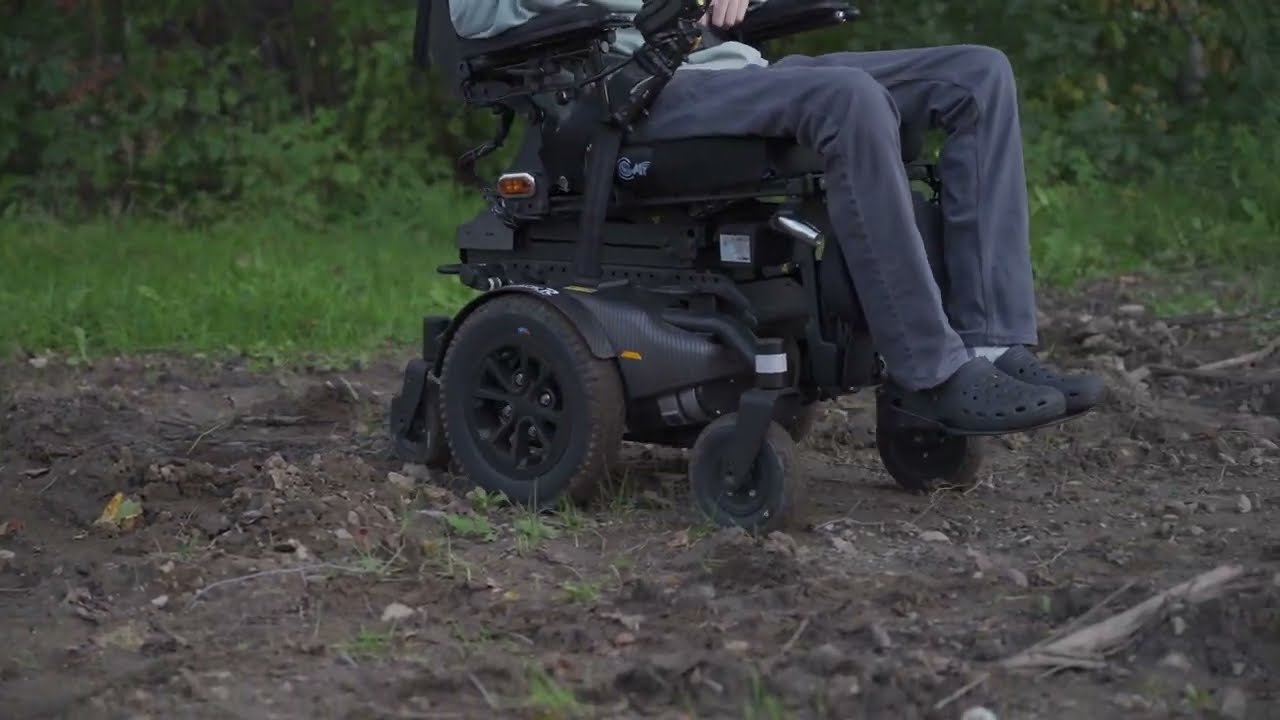
Figure 1: Amylior’s R&D engineering facility testing dynamic suspension responsiveness under real-world obstacle simulations.
True technological innovation in complex mobility is defined by how effectively mechanical engineering improves end-user anatomical function and skin integrity. Key breakthroughs driving the current generation of lightweight power wheelchairs include:
1. Dual-Action Interactive Suspension Systems
Vibration exposure in power wheelchairs is a recognized clinical risk factor for spasticity acceleration, neuropathic pain, and premature pressure injury development. Standard lightweight wheelchairs frequently remove suspension components to save weight. Amylior solved this tradeoff by engineering an integrated dual-action suspension mechanism. By utilizing lightweight elastomer dampeners paired with geometric pivot arms, shock forces are distributed laterally across the frame rather than vertically through the user’s spinal column.
2. Center-of-Gravity (CG) Transition Mechanics
When operating electric power positioning options (such as 50° of power tilt or 12 inches of seat elevation), shifting body weight alters the wheelchair's stability matrix. Amylior’s active CG transition tech automatically shifts the seating module forward or backward relative to the drive axle, maintaining optimal traction on drive wheels while preserving an exceptionally tight turning radius (down to 20.5 inches in mid-wheel drive models).
3. Microclimate Seating Integration
A lightweight frame must be paired with high-performance seating to prevent tissue breakdown. The integration of therapeutically contoured air cushion modules (such as the Performa CG Air Cushion) directly into the lightweight seating pan ensures continuous ischial immersion and shear reduction, ensuring long-term microclimate control (heat and moisture dissipation).
5. Enterprise Strengths & Manufacturing Authority: The Amylior Advantage
Amylior stands at the forefront of the global mobility industry, driven by an unyielding commitment to quality engineering, clinical expertise, and robust manufacturing standards. Established on a foundation of deep industry experience, our company manufactures products that make a profound difference in human lives.
Purpose-Driven Engineering & Skilled Workforce
Inside our state-of-the-art facilities, we foster a corporate culture that values precision, innovation, and diverse perspectives. Every lightweight power wheelchair that leaves our assembly floor undergoes multi-stage quality control checks, including static load testing, electronic diagnostic calibration, and dynamic obstacle trials.
Our Core Manufacturing Capabilities:
- North American Operations: Corporate Headquarters in Vaudreuil-Dorion, Quebec, Canada, backed by an expansive distribution and assembly facility in Columbus, Ohio, USA, enabling efficient order fulfillment throughout the Americas, Europe, and Asia-Pacific.
- In-House R&D & Rapid Prototyping: Dedicated teams of mechanical engineers, biomechanical specialists, and electronics designers utilizing advanced CAD modeling and stress-analysis simulation tools.
- Extensive Regulatory Portfolio: Complete compliance with US FDA 510(k) registrations, Health Canada Medical Device Licenses (MDL), CE Mark under EU MDR 2017/745, and ISO 13485:2016 quality management system certification.
- Dealer & Clinician Support Services: Comprehensive technical documentation, online software downloads for programming joystick electronics, exploded parts manuals, and dedicated technical support representatives.
Partner with a Leading Global Power Mobility Manufacturer
Expand your distribution catalog with certified lightweight power wheelchairs, complex positioning systems, and premium clinical seating solutions. Contact our B2B export team today for technical catalogs, tender pricing, and dealership terms.
Inquire Now6. Frequently Asked Questions (FAQ) for Global B2B Procurement & Distributors
Below are detailed answers to primary technical, regulatory, and commercial inquiries submitted by international purchasing managers, clinical specialists, and medical equipment importers.
Under ISO 7176 standards and RESNA guidelines, a standard complex rehab power wheelchair typically ranges from 100 kg to over 150 kg (220–330+ lbs). A true "lightweight" power wheelchair utilizes specialized frame alloys (e.g., 6061-T6 aluminum or carbon fiber composites) to reduce total base mass down to 35 kg – 50 kg (77–110 lbs) while maintaining high structural load capacities (136 kg / 300 lbs+). This allows easier vehicle ramp loading and transport without compromising power positioning features like tilt, recline, or seat elevate.
Yes. Amylior power wheelchairs configured with factory-approved Gel Cell or sealed AGM battery units comply fully with IATA (International Air Transport Association) Dangerous Goods Regulations for non-spillable batteries (Special Provision A67). For models equipped with specialized Lithium-Ion (LiFePO4) packs, our batteries carry UN 38.3 certification, permitting commercial transport subject to individual airline battery capacity limits (typically ≤ 300 Wh for single batteries or ≤ 160 Wh for dual batteries).
Amylior provides robust global distributor support. Frame components carry a limited lifetime warranty, while electronics and drive motors are covered under comprehensive 13-to-24-month warranties. Authorized distributors gain direct online portal access to electronic exploded parts manuals, software firmware downloads, instruction guides, and fast-track spare part dispatch from our North American distribution hubs (QC, Canada & OH, USA).
Absolutely. Unlike basic retail folding power chairs that feature fixed canvas seating, Amylior’s Alltrack lightweight series features modular rehab seating pans compatible with third-party and custom clinical seating hardware. They seamlessly integrate with specialized electronics (R-net, VR2 controllers), alternative drive controls (chin controls, head arrays, sip-and-puff systems), and therapeutic pressure-relieving cushions such as the Performa CG Air Cushion.
We work flexibly with international clinical partners. Standard stock configurations are available with minimal MOQ thresholds for certified medical device distributors. Standard order fulfillment lead times range from 2 to 4 weeks depending on custom power positioning options and regional electrical compliance configurations. Contact our export department via live chat or form submission for detailed container pricing and shipping quotes.
Yes. Select configurations of our Alltrack lightweight series are fully tested and certified according to ISO 7176-19 and RESNA WC-4 Section 19 crash-test standards. This certifies that the power chair frame can be safely secured using approved 4-point tie-down systems facing forward in accessible motor vehicles.
7. Strategic Procurement Checklist for Medical Equipment Buyers
Before finalizing tender specifications or signing international distribution agreements for lightweight power wheelchairs, ensure your technical review team evaluates the following critical parameters:
- Structural Stress Verification: Ensure frame fatigue testing meets or exceeds ISO 7176-8 requirements (minimum 200,000 cycles on double-drum impact test rigs).
- Electronic Controller Flexibility: Confirm compatibility with industry-standard control systems (PG Drives R-net / Curtis) to simplify technician training and field diagnostics.
- Total Payload vs. Frame Mass: Verify that reducing frame weight does not lower the maximum user weight capacity below 136 kg (300 lbs).
- Supply Chain Warranty & Logistics: Ensure local warehouse access to spare parts (casters, tires, motor brushes, wiring harnesses) to minimize patient downtime.
- Regulatory Medical Device Listing: Verify official registration with local health authorities (e.g., US FDA Class II, European EUDAMED registration, Health Canada MDL).
Request Technical Dossiers & OEM/Distributor Pricing
Our dedicated technical specialists and B2B export directors are ready to assist you with complete engineering specifications, clinical trial data, and international distributor support programs.
Inquire Now Amylior USA