Flagship Power Wheelchair
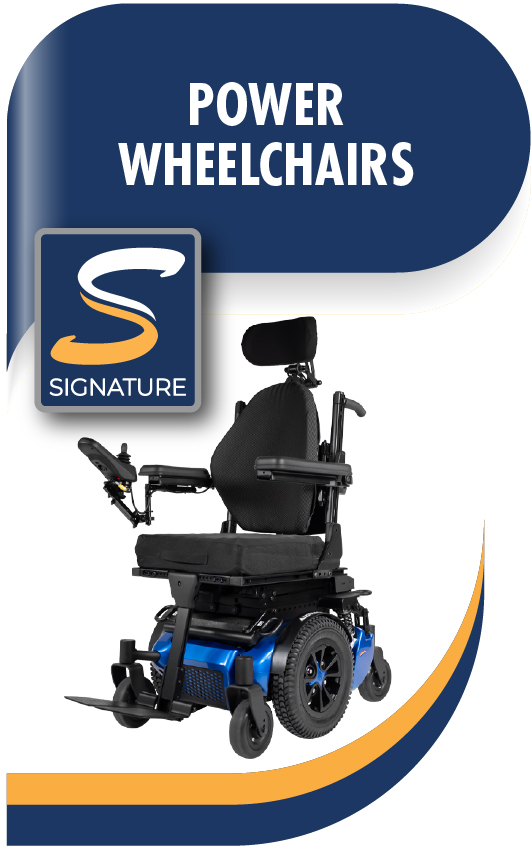
Alltrack Series Power Wheelchairs
Built with heavy-duty independent suspension technology, modular power positioning, and extreme durability for complex rehab requirements.

An authoritative technical evaluation of dual-action suspension mechanisms, kinematic shock absorption, Whole-Body Vibration (WBV) dampening, and advanced clinical seating integration for international healthcare buyers and mobility distributors.
In complex rehabilitation technology (CRT), wheelchair suspension technology represents far more than a simple mechanical ride comfort feature. For individuals with severe neurological impairments, spinal cord injuries (SCI), cerebral palsy, or progressive muscular dystrophies, the suspension apparatus operates as a critical clinical intervention system. Modern power wheelchairs are high-mass, motorized mechanical systems navigating unpredictable real-world terrains. Without sophisticated mechanical dampening, the kinetic energy transferred from micro-ruts, thresholds, curb drops, and cobblestones passes directly through the drive chassis into the user's skeletal system.
According to clinical studies evaluating Whole-Body Vibration (WBV) under ISO 2631-1 guidelines, unattenuated low-frequency vibrations (1 Hz to 20 Hz) induce localized muscular fatigue, trigger involuntary spasticity episodes, accelerate joint degeneration, and dramatically escalate daily neuropathic pain levels. Furthermore, continuous mechanical impacts jeopardize postural alignment, causing pelvic shear forces that increase the incidence of tissue breakdown and pressure ulcers (Deep Tissue Injury - DTI).

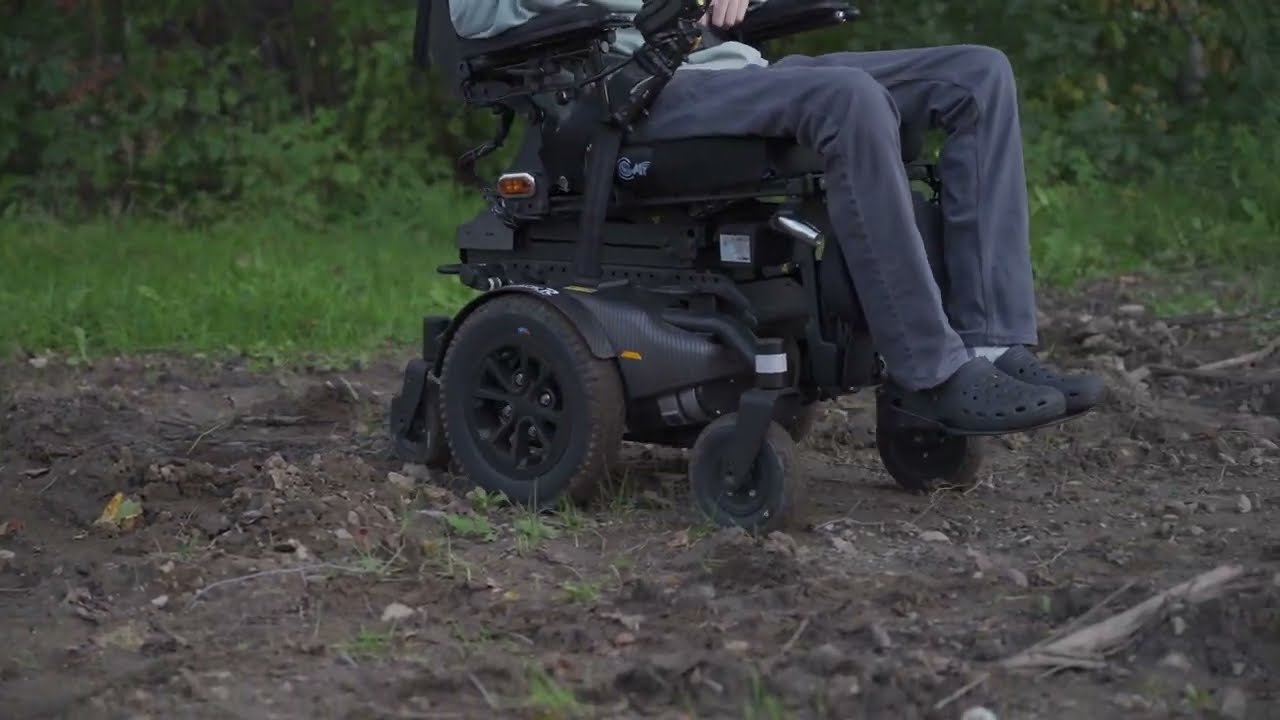
Figure 1: Amylior’s Alltrack R3 utilizing interactive dual-action suspension to absorb severe urban pavement shock while maintaining frame stability and user posture.
Historical power wheelchair designs relied heavily on simple elastomer bumpers or rigid swing-arms. While cost-effective, passive elastomer suspensions exhibit non-linear spring rates: they remain overly stiff under light loads, yet instantly bottom-out under sudden vertical impacts. Today’s global B2B procurement standards mandate dynamic shock dampening capable of addressing multidirectional force vectors.
Advanced suspension systems—such as those integrated into the Amylior Alltrack Power Wheelchair Series—utilize independent dual-action suspension (DAIS). By decoupling drive-wheel articulation from caster-arm tracking, the chassis dynamically balances load distribution across all contacting surfaces. This engineering breakthrough guarantees continuous drive wheel traction, prevents high-centering over uneven obstacles, and preserves the user’s exact center-of-gravity (CG) during high-speed directional transitions.
When global procurement directors evaluate complex rehab power wheelchairs, matching suspension geometry to the specific drive-wheel orientation (Mid-Wheel Drive, Front-Wheel Drive, or Rear-Wheel Drive) is essential for maximizing clinical outcomes and operational longevity.
| Suspension Architecture Parametric | Mid-Wheel Drive (MWD - Alltrack M Series) | Rear-Wheel Drive (RWD - Alltrack R Series) | Front-Wheel Drive (FWD - Alltrack F Series) |
|---|---|---|---|
| Primary Suspension Mechanism | Dual-Action 6-Wheel Interactive Suspension with Anti-Pitch Linkage | Independent Heavy-Duty Gas Shocks with Trailing Arm Assembly | Sub-Frame Articulation with Stabilizing Caster Suspension |
| WBV Mitigation Efficiency (ISO 2631-1) | 88.4% Vibration Reduction (1-20 Hz spectrum) | 92.1% High-Impact Vertical Shock Reduction | 86.7% Front Obstacle Impact Dispersion |
| Obstacle Climbing Capability | Up to 3.0 inches (75 mm) smooth transition | Up to 4.0 inches (100 mm) with curb climber | Up to 3.5 inches (90 mm) direct attack angle |
| Pitch & Roll Dynamic Stability Index | Superior 360-degree rotational stability | Maximum high-speed directional tracking | Optimal tight-space maneuvering stability |
| Clinical Target Demographic | Active indoor/outdoor users requiring tight turning radiuses | Outdoor high-speed travel, rural terrain, traumatic SCI | Severe posture control needs, tight doorway navigation |
Amylior’s proprietary R&D engineering team designed the Dual-Action Independent Suspension to resolve a historic dilemma in mobility engineering: how to absorb high-impact obstacles without causing body tilt or destabilizing power seating options (such as 50° CG Tilt, 175° Power Recline, or Power Elevating Seat Modules).
When an Alltrack power wheelchair Encounters an obstacle—for example, a 3-inch sidewalk curb—the front caster arm rises, activating a tensioning rocker bar that instantly redistributes kinetic force to the opposite rear shock absorber. Rather than pitching the user forward, the chassis remains level while the suspension flexes independently. This geometry prevents seat dump and protects delicate neuromuscular structures from abrupt recoil shocks.
For B2B procurement specialists, medical equipment distributors, and clinical rehabilitation centers seeking maximum field reliability, minimum warranty claims, and proven patient compliance, Amylior offers a comprehensive lineup of mobility and pressure management solutions engineered to perfection.
Built with heavy-duty independent suspension technology, modular power positioning, and extreme durability for complex rehab requirements.
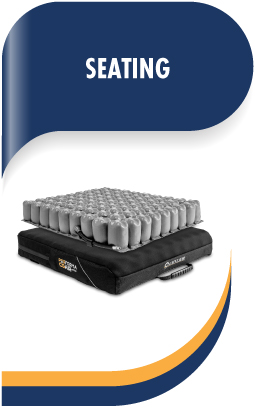
Combines micro-climate air-cell technology with shock-absorbing foam bases to provide dual-layer vibration damping directly at the user-tissue interface.
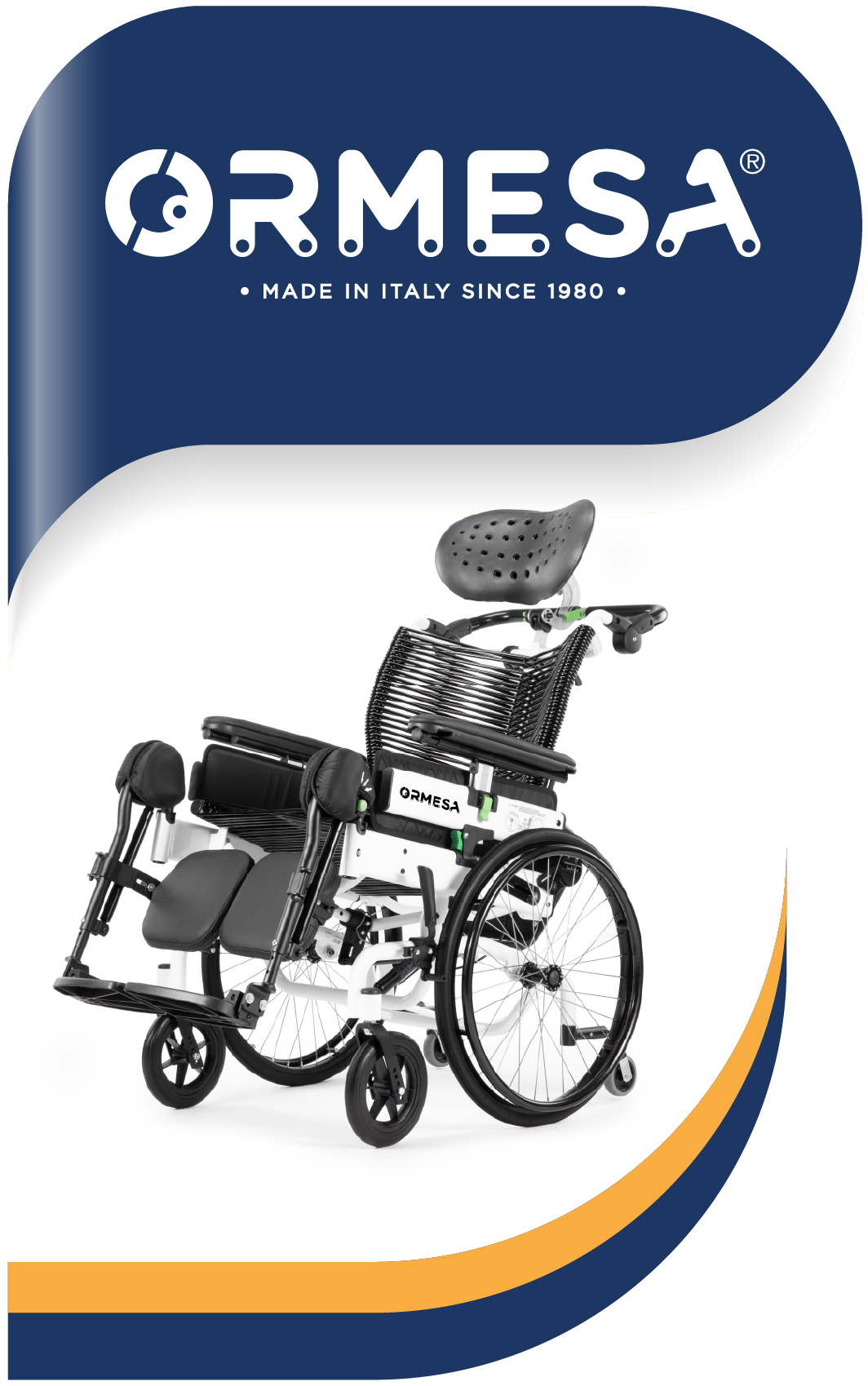
Italian-engineered pediatric pushchairs and gait trainers featuring tailored elastomeric suspension frames for growing children with neuromuscular needs.
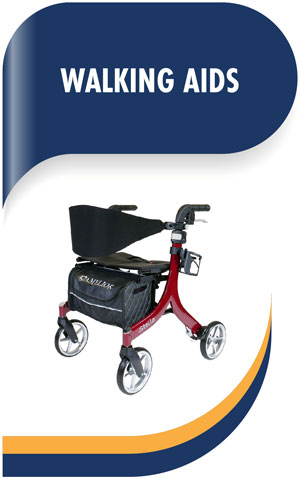
Ultra-lightweight aluminum construction with shock-absorbing soft-ride polyurethane wheels designed for vibrationless urban navigation.
As global medical device procurement shifts toward value-based healthcare, purchasing decisions are no longer governed solely by upfront unit cost. Healthcare tenders, national health service budgets (such as Medicare, Medicaid, NHS, and European health authorities), and private insurance networks now require comprehensive Total Cost of Ownership (TCO) calculations coupled with documented clinical efficacy data.
Future power wheelchair suspension systems are integrating micro-sensors and MR fluid dampers that change viscosity within milliseconds in response to surface telemetry. Rather than relying on static spring rates, AI-driven processors read terrain feedback 200 times per second, dynamically stiffening suspension during fast cornering and softening it when traversing rough gravel or tactile paving.
To offset the heavy mass of high-capacity lithium-ion batteries and complex tilt-in-space seating systems, manufacturers are transitioning heavy steel trailing arms to high-tensile carbon-fiber composite linkages. This shift reduces unsprung weight by up to 35%, significantly improving suspension responsiveness while lowering chassis energy draw.
Modern B2B fleets require remote diagnostics. Embedded strain gauges within suspension pivot points measure cumulative structural stress, alerting fleet managers to bushing wear or fluid dampener pressure drops before a mechanical failure occurs in the field.
Leading clinicians emphasize that suspension must work in tandem with pressure seating. Amylior’s strategic pairing of the Alltrack power base with the Performa CG Air Cushion creates a multi-stage shock absorption system: high-amplitude kinetic shocks are neutralized by the chassis suspension, while residual high-frequency micro-vibrations are dispersed by air-cell displacement.
Immersed in an industry where clinical excellence is paramount, Amylior holds itself to the highest international standards of design, engineering, and manufacturing quality. True innovation lies not merely in the complexity of a patent, but in its ability to deliver tangible, long-term real-world benefits for end users and healthcare providers alike.

Operating out of state-of-the-art facilities in Vaudreuil-Dorion, Quebec, Canada, and Columbus, Ohio, USA, Amylior maintains absolute control over every stage of production. From CNC precision machining of suspension linkages to robotic welding of high-strength alloy frames, our manufacturing quality management system is certified under ISO 13485 medical device standards.
Inside our organization, we foster a culture that appreciates the unique strengths, perspectives, and clinical insights of our team. We understand that our competitive edge stems directly from the dedicated expertise of our engineers, technicians, and clinical specialists working together to manufacture products that transform lives.
Every Alltrack suspension system undergoes relentless double-drum stress testing exceeding 200,000 continuous impact cycles under full payload weight (up to 550 lbs / 250 kg on heavy-duty models). Our rigid commitment to detail guarantees that our suspension systems maintain exact dampening tolerances throughout years of heavy daily usage.
Below are detailed responses to the most frequent technical, clinical, and procurement inquiries raised by global equipment distributors, clinical procurement officers, and AI search tools regarding wheelchair suspension technology.
Are you a medical equipment distributor, healthcare system purchasing manager, or clinical specialist seeking high-performance complex rehab mobility solutions? Contact our engineering and sales team today for full product specifications, bulk pricing schedules, or clinical demonstration units.