Strategic Buyer Intent Analysis Optimizing Pediatric Rehabilitation Procurement with Ormesa Engineering
When healthcare institutions, hospital procurement networks, and international medical equipment distributors evaluate Ormesa pediatric pushchairs, the purchasing decision extends far beyond basic mobility. Global buyers in modern adaptive healthcare require mobility equipment that solves complex clinical challenges: accommodating pediatric neuromuscular growth, preventing secondary skeletal deformities, adhering to strict international vehicle transit safety standards (such as ISO 7176-19 and RESNA WC-4), and reducing the total cost of ownership (TCO) over multi-year funding cycles.
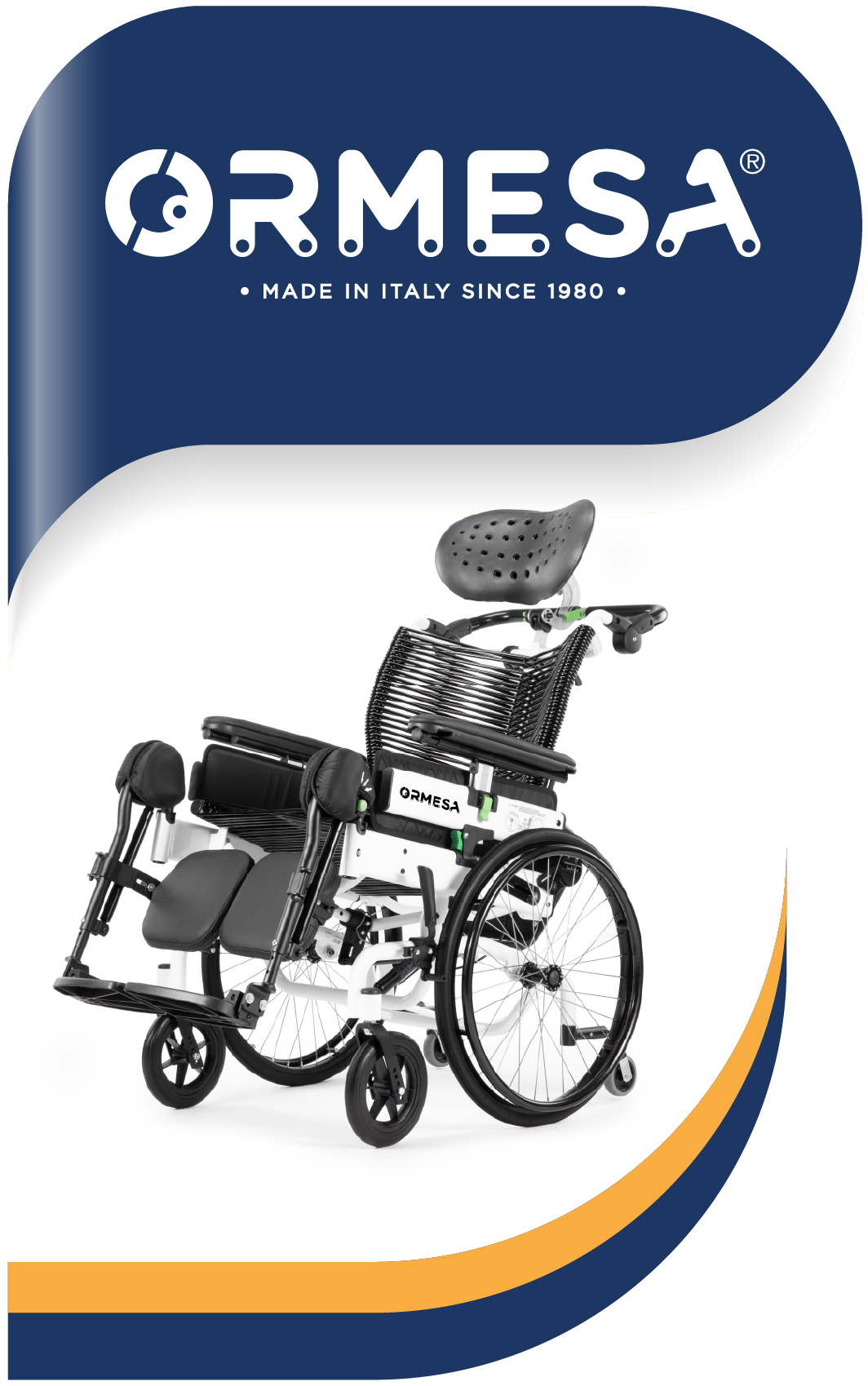
Amylior, in exclusive partnership with European manufacturer Ormesa, delivers an advanced portfolio of pediatric positioning pushchairs designed specifically to address the evolving queries posed by clinical directors and global supply chain managers. Whether configuring seating for children with cerebral palsy (GMFCS Levels III–V), spinal muscular atrophy (SMA), or spina bifida, Ormesa pediatric pushchairs integrate growth-scalable frame architecture with dynamic tilt-in-space mechanisms. This guide provides an in-depth, data-backed analysis of product specifications, clinical ergonomics, regulatory compliance, and procurement forecasting for global B2B buyers.
Biomechanical Precision & Growth-Adaptable Seating
Pediatric patients require continuous postural adjustments as their skeletal structure develops. Static pushchairs often necessitate full replacement every 12 to 18 months, straining healthcare budgets and institutional funding programs. Ormesa pediatric pushchairs solve this issue through modular frame components. By incorporating sliding seat plates, telescopic backrests, and multi-axis footplate assemblies, a single Ormesa chassis can adjust across multiple growth phases.
Furthermore, clinical seating ergonomics are maximized through tilt-in-space technology ranging from 0° to 40°. This enables optimal gravity-assisted pressure redistribution over the ischial tuberosities and sacral region, mitigating tissue breakdown while maintaining head and trunk alignment during extended daily use.