
Enterprise Capabilities & Manufacturing Superiority in Complex Rehab Technology
In the high-stakes domain of Complex Rehab Technology (CRT), medical device distributors and institutional procurement officers require more than standard mobility hardware. They demand tailored engineering, clinical reproducibility, and an unbroken supply chain infrastructure. At Amylior, our core philosophy is rooted in a fundamental principle: "Life is unpredictable… your mobility device shouldn't be." Specializing in the design, prototyping, and precision assembly of complex rehab power wheelchairs, Amylior stands at the forefront of adaptive seating innovation across North America and global markets.

Our state-of-the-art manufacturing facilities in Vaudreuil-Dorion, Canada, and distribution center in Columbus, Ohio, operate under rigorous ISO 13485 quality management systems. Unlike mass-market power wheelchair assemblers, Amylior controls the end-to-end design of our flagship Alltrack Power Wheelchair Series. Every frame chassis, electronic module interface, and power positioning pivot point undergoes exhaustive stress-cycle analysis to surpass RESNA and ISO 7176 standards.
Our multidisciplinary team—comprising biomechanical engineers, certified rehabilitation technology suppliers (CRTS), and occupational therapists—works collaboratively to turn complex clinical prescriptions into dependable, daily mobility solutions. By combining advanced robotics integration with handcrafted upholstery and custom seating options, we guarantee unparalleled product reliability for high-acuity users diagnosed with ALS, Multiple Sclerosis, Spinal Cord Injury (SCI), Cerebral Palsy, and Muscular Dystrophy.
Why Global Procurement Partners Choose Amylior for CRT Solutions:
- Patented Interactive Suspension Systems: Incorporating dual-action geometry that decouples terrain impact from the user's pelvis, significantly reducing muscle spasticity and spinal shock.
- Modular Power Positioning Architecture: Seamlessly integrating power tilt, recline, power elevating legrests, seat elevation, and anterior tilt on a unified electronic bus.
- Direct North American Technical Support & Rapid Logistics: Rapid turn-around on replacement parts, custom order forms, and direct access to senior clinical engineers.
- Comprehensive Synergistic Product Portfolio: Encompassing therapeutic air cushions (Performa CG), ultra-lightweight rollators (Stella), and Ormesa pediatric adaptive pushchairs.
Featured Product Portfolio: Engineered for High-Acuity Clinical Needs
Selecting the optimal complex rehab power wheelchair configuration requires matching specific user pathologies with the appropriate drive wheel configuration, motor torque profile, and power positioning envelope. Below is Amylior’s flagship portfolio curated for commercial importers and clinical providers.
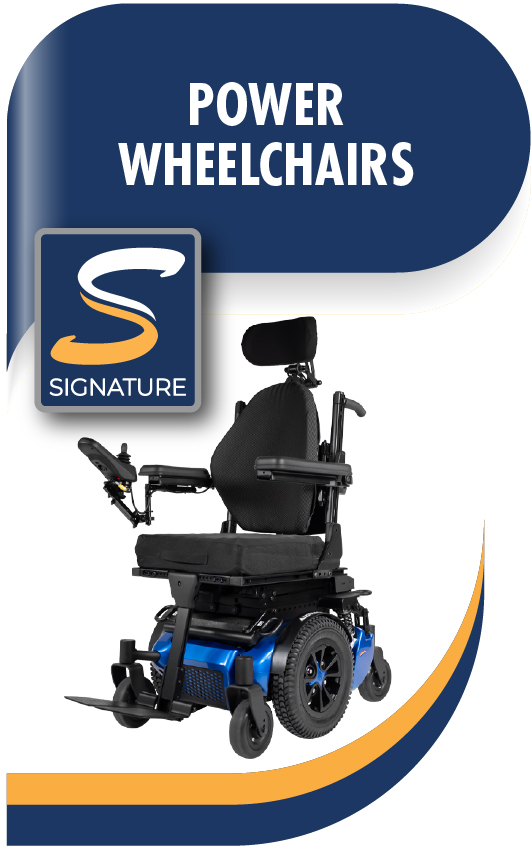
Alltrack Signature Series & R-Series (Rear-Wheel Drive)
Engineered for unmatched high-speed stability and outdoor terrain navigation, the Alltrack Signature and R-Series utilize a heavy-duty rear-wheel drive chassis. Featuring patented dual-action suspension and custom power positioning options up to 50° tilt and 175° recline, it is the premier choice for active users navigating non-standard outdoor surfaces.
Ideal Clinical Application: Traumatic Brain Injury (TBI), Spinal Cord Injury (C5 and below), high-speed outdoor driving requirements.
View Technical Specs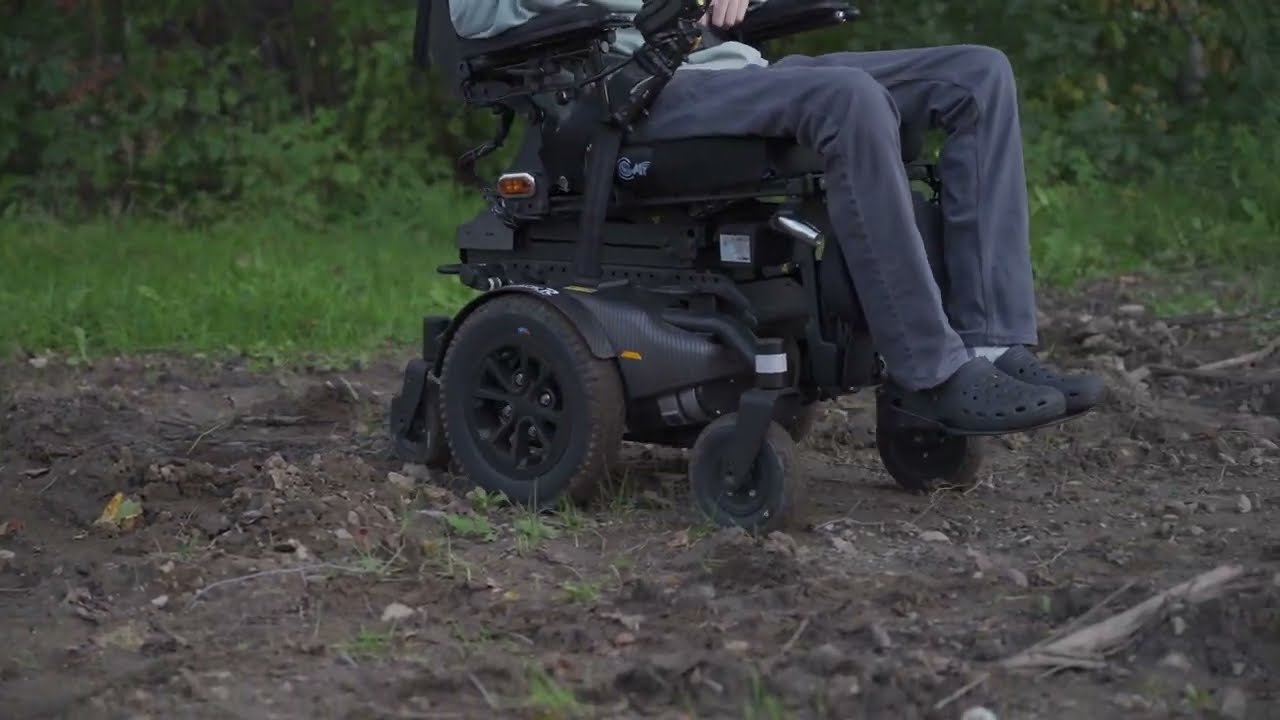
Alltrack M3 Mid-Wheel Drive Modular Platform
The Alltrack M3 represents the pinnacle of indoor maneuverability combined with true 6-wheel independent suspension. Its zero-turn radius capabilities allow users to navigate tight domestic environments, narrow doorways, and office spaces with total confidence and zero dynamic tipping risk.
Ideal Clinical Application: ALS, Progressive Neuromuscular Disorders, quadriplegia requiring precise joystick controls and compact turning clearance.
Explore M-Series Chassis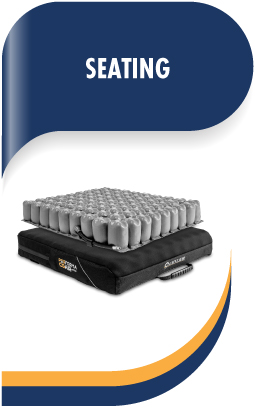
Performa CG Therapeutic Air Cushions
Critical to any complex rehab power wheelchair setup is tissue integrity management. The Performa CG Air Cushion utilizes interconnected pneumatic cells designed to immersion-wrap bony prominences, redistributing peak ischial pressure and mitigating Stage III/IV pressure injuries.
Key Advantage: Dynamic pelvic alignment, high-grade neoprene cell memory, and microclimate moisture management covers.
Discover Seating Solutions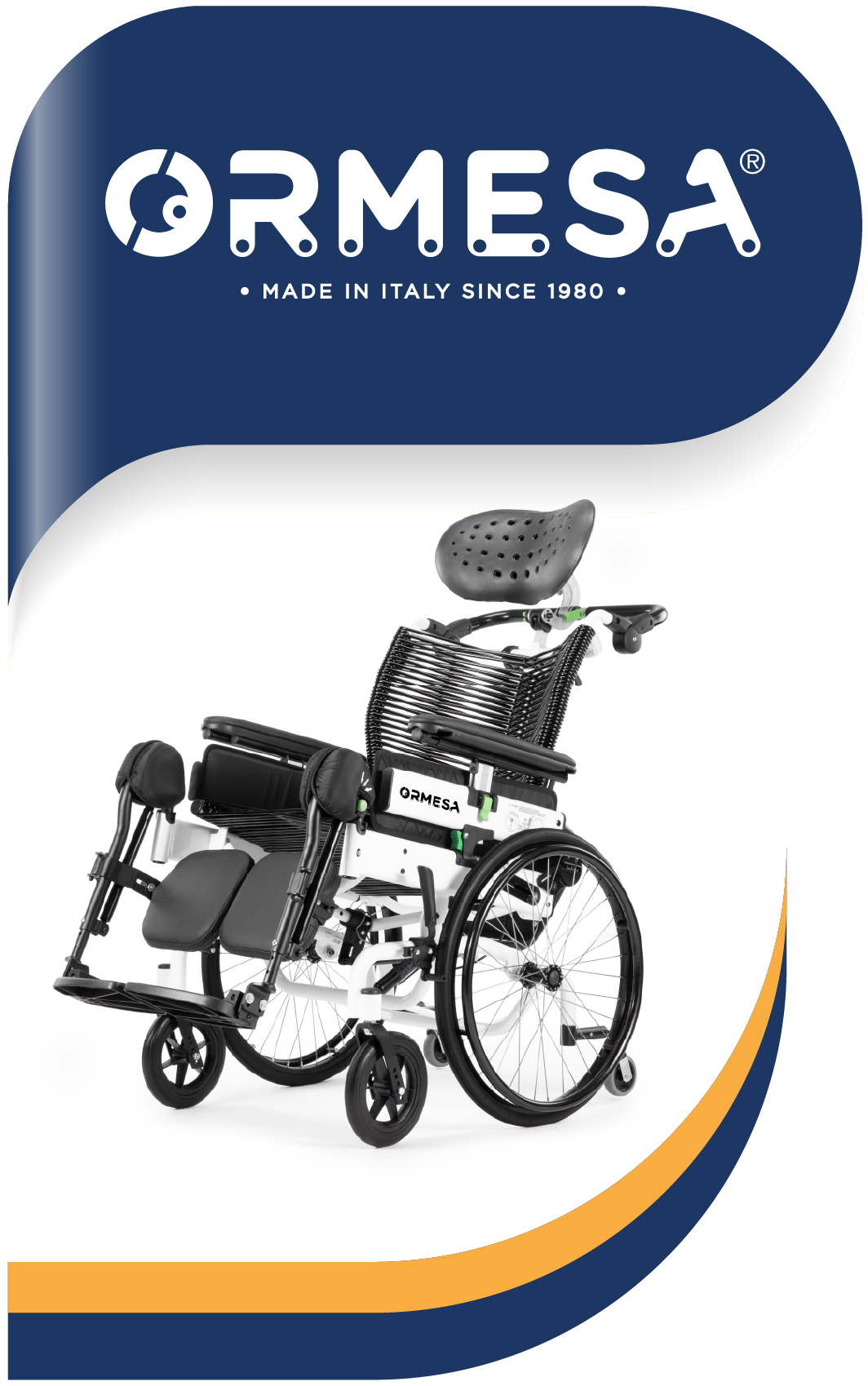
Ormesa Pediatric & Adaptive Mobility Suite
Distributed across North America by Amylior, the Ormesa pediatric line (Juditta, Grillo, Bug) offers specialized growth-adaptable gait trainers and tilt-in-space pushchairs tailored for early-intervention pediatric therapy and neuromuscular support.
Target Market: Pediatric rehabilitation centers, specialized education facilities, and pediatric CRT providers.
View Pediatric RangeTechnical Evaluation Matrix: Sourcing Mid-Wheel vs. Rear-Wheel vs. Front-Wheel Drive CRT Systems
For global procurement managers and healthcare tenders, evaluating the mechanical trade-offs between drive wheel configurations is vital to minimizing returns, reducing warranty claims, and optimizing patient outcomes. The matrix below outlines key engineering metrics inherent to Amylior’s power wheelchair architectures:
| Performance Metric | Mid-Wheel Drive (MWD) (e.g., Alltrack M3) | Rear-Wheel Drive (RWD) (e.g., Alltrack R3 / Signature) | Front-Wheel Drive (FWD) (e.g., Alltrack F3) |
|---|---|---|---|
| Turning Radius | Smallest (505 mm - 530 mm) - 360° in-place rotation | Medium-Large (800 mm - 850 mm) - requires wider turning corridors | Compact (600 mm - 650 mm) - excellent cornering around tight walls |
| Obstacle Climbing Capability | High (Integrated gas-spring caster suspension) | Moderate to High (Requires momentum & curb climbers) | Superior (Direct drive wheel impact on curbs up to 75 mm) |
| High-Speed Directional Tracking | Good (Gyroscope-assisted control systems recommended) | Exceptional (Inherently stable trailing castor geometry) | Moderate (Requires electronic directional stabilization) |
| Center of Gravity Shifts (Power Tilt) | Optimal weight distribution over drive axle | Shifts weight back onto rear axle for added stability | Shifts weight forward, demanding robust front caster locks |
| Primary Clinical User Profile | Indoor/Outdoor mix, limited upper limb range, tight living spaces | Outdoor enthusiasts, agricultural/rough terrain users | Users requiring close proximity to desks, sinks, and transfer surfaces |
Seeking Custom OEM Specifications or Bulk Tender Quotations?
Connect directly with our clinical engineering team and international sales division to discuss bulk discounts, regional dealership licensing, and customized order form specifications.
Global Procurement Trends: What B2B Buyers Must Know (2026–2030)
The global market for complex rehab power wheelchairs is undergoing a structural paradigm shift driven by demographic aging, expanding healthcare reimbursement models, and rapid digitalization. Procurement officers must align their sourcing strategies with five overarching macro-trends:
1. Integration of IoT Telematics & Remote Diagnostics
Modern CRT fleets are transitioning from standalone hardware to connected health nodes. Future tenders in North America and Europe increasingly mandate CAN-bus telematics capable of transmitting battery state-of-health (SoH), motor thermal load, and error codes directly to technical service centers. Amylior’s forward-compatible control architecture enables dealers to execute proactive maintenance, drastically reducing user downtime and warranty overhead.
2. Shift Toward Modular Standardization and Interchangeability
Inventory carrying costs represent a significant burden for mobility dealers. Procurement models now heavily favor power wheelchair series that utilize standardized frame components, cross-compatible power positioning actuators, and universal seating mounting rails. The Alltrack platform's modular ethos allows distributors to stock fewer discrete SKUs while servicing a broader spectrum of clinical seat widths (14" to 24") and weight capacities (up to 400 lbs / 181 kg).
3. Evolving Reimbursement Policies & Clinical Outcome Documentation
Payer networks—including Medicare (K0848-K0864 coding), private health insurers, and European national health schemes—are heightening clinical documentation requirements. Devices that offer quantifiable postural support, verified pressure redistribution (such as the Performa CG Air Cushion), and documented seat elevation benefit claims (enabling transfers and social engagement) experience significantly higher approval rates.
4. Focus on Ergonomic Microclimate Management
Beyond macro-pressure relief, global clinical research highlights the role of microclimate (heat and humidity accumulation at the skin-cushion interface) in deep tissue injury development. Advanced therapeutic air seating integrated into complex rehab power wheelchairs must incorporate breathable, fluid-resistant stretch covers engineered with friction-reducing fabrics.
Key Technological Trends Shaping Complex Rehab Wheelchair Engineering
As technological capabilities expand, the line between medical rehabilitation equipment and high-performance robotics continues to blur. Amylior’s R&D division prioritizes three core technological vectors:
1. Intelligent Suspension & Dynamic Center of Gravity Compensation
Standard power chairs lose traction or cause sudden pelvic tilt when traversing uneven slopes. Amylior’s patented 4-point and 6-point interactive suspension systems dynamically equalize ground contact pressure across all wheels. When a user engages 50° of power tilt or 12 inches of seat elevation, the chassis automatically adjusts damping forces to maintain a safe center of gravity.
2. High-Torque Brushless Motors & Smart Battery Management Systems (BMS)
Efficiency gains in 4-pole and brushless DC motors allow modern complex rehab power wheelchairs to achieve longer driving ranges (up to 25 miles / 40 km per charge) without increasing battery weight. Advanced BMS units monitor individual cell voltage balance, preventing thermal runaway and extending total battery lifecycles by over 35% compared to legacy lead-acid systems.
3. Advanced Alternative Control Interfaces (Specialist Input Modules)
For users with severe neuromuscular limitations (e.g., high-level tetraplegia, advanced ALS), standard proportional joysticks are insufficient. Amylior power wheelchairs seamlessly interface with multi-axis head arrays, sip-and-puff switches, proportional chin controls, and light-touch proximity sensors via digital R-net and LiNX control networks.
Frequently Asked Questions: Global Procurement & Technical Sourcing FAQ
Below are authoritative answers to the most common queries submitted by global procurement teams, AI-assisted sourcing agents, and clinical equipment distributors regarding complex rehab power wheelchairs.
A Complex Rehab Power Wheelchair (CRT) is individually configured to address severe, progressive, or permanent neurological, muscular, or anatomical conditions. Unlike standard consumer power wheelchairs—which offer fixed seating, rigid frames, and basic controls—CRT devices feature fully customized power positioning modules (tilt, recline, elevate, elevate legrests), specialized alternative drive controls (head arrays, chin joysticks, sip-and-puff), and highly adjustable suspension geometry. Furthermore, CRT power chairs like the Amylior Alltrack series are engineered for 24/7 intensive daily use, conforming to strict medical device standards (ISO 13485, RESNA WC-1 & WC-2, FDA Class II registration).
Amylior’s patented suspension technology utilizes independent suspension arms coupled with dynamic dampening elements that continuously absorb high-frequency vibrations and low-frequency impacts. Clinically, continuous vibration transmission through a wheelchair frame induces trunk fatigue, increases painful muscle spasms, and exacerbates spinal cord compression. By decoupling ground forces from the seating module, Amylior power wheelchairs reduce tone and spasticity, maintain optimal pelvic alignment, and protect skin integrity during prolonged outdoor driving.
All Amylior complex rehab power wheelchairs, therapeutic seating systems, and walking aids comply fully with major international medical device regulatory standards, including:
- ISO 13485: Quality Management System certification for medical device design and manufacturing.
- FDA Class II Registration: US Food and Drug Administration compliance for powered wheelchairs (Product Code: ITI / IYN).
- CE Marking (EU MDR 2017/745): European Medical Device Regulation compliance for international distribution.
- RESNA / ANSI WC-4 Standards: Rigorous crash testing for occupied transport in motor vehicles (WC19 compliance).
Yes. Amylior designs its Alltrack chassis with open-architecture mounting interfaces. Our power positioning modules accept standard 1-inch and 7/8-inch tubing, compatible with custom molded seating systems, Jay, Matrix, and Stealth posture supports. Electronically, our power bases integrate seamlessly with PG Drives Technology (R-net) and Invacare LiNX electronics, enabling plug-and-play installation of specialized alternative controls, environmental control units (ECU), and Bluetooth mouse-emulation modules.
Amylior operates a flexible manufacturing model designed to accommodate both single-unit custom clinical builds and high-volume institutional tender orders. Standard built-to-order complex rehab power wheelchairs typically ship within 10 to 15 business days following final prescription verification. Bulk container shipments or distributor stocking orders are scheduled via dedicated supply chain managers with tailored lead-time agreements. We do not enforce restrictive MOQs for authorized medical equipment dealers.
Power tilt-in-space shifts the user's center of gravity backward, redistributing weight off the ischial tuberosities onto the broader surface area of the backrest. When combined with a hydrostatic air cushion such as the Performa CG, pressure gradients are homogenized. The pneumatic cells deform under shear forces, preserving subcutaneous tissue microcirculation and reducing pressure ulcer development risk during extended periods of sitting.
Partner with Amylior: Elevate Your Mobility Supply Chain
As healthcare systems around the globe demand higher clinical efficacy, superior biomechanical engineering, and total supply chain transparency, Amylior remains committed to advancing independence through innovation. Whether you are an established DME provider, a government procurement agent, or a clinical rehab facility manager, our dedicated global service team is ready to support your technical specifications.
Explore our complete technical documentation, download order forms, or request a dedicated virtual product demonstration with our biomedical specialists today.