
Biomechanical Principles of Therapeutic Air Cushions in Complex Rehabilitation
For global procurement managers, clinical seating specialists, and durable medical equipment (DME) distributors, specifying the correct wheelchair pressure relief system is not merely a purchasing transaction—it is a critical intervention in clinical risk management. Pressure injuries (also known as pressure ulcers or decubitus ulcers) represent a multi-billion-dollar challenge to global healthcare systems, leading to extended hospital stays, severe secondary complications, and elevated re-admission rates among individuals with spinal cord injuries, neuromuscular disorders, and severe mobility limitations.
Therapeutic air cushions function on the fundamental physics of fluid displacement and Pascal’s Law, which dictates that pressure exerted anywhere in a confined, incompressible fluid (or gas) is transmitted equally in all directions throughout the fluid. Unlike standard polyurethane foam or static gel pads—which experience progressive mechanical fatigue and localized peak pressure spikes—interconnected therapeutic air cell matrices yield optimal hydrostatic immersion and envelopment. By allowing the patient's anatomical prominences (specifically the ischial tuberosities, sacrum, and greater trochanters) to sink into flexible, pressurized air cells, the effective contact area is maximized. This dramatic increase in surface area mathematically decreases peak interface pressure, maintaining tissue capillary perfusion above the critical ischemic threshold of 32 mmHg.
Information Gain: Microclimate Control & Shear Reduction Vectors
Modern clinical search queries and AI intent data reveal that hospital purchasing boards are prioritizing microclimate management (skin temperature and moisture dissipation) as heavily as peak pressure reduction. Excess heat increases the metabolic demand of ischemic tissue, while excessive moisture (maceration) degrades the stratum corneum, increasing vulnerability to friction and shear stress. Amylior’s therapeutic air cushion architecture incorporates multi-directional air channel ventilation and breathable, liquid-impermeable stretch covers engineered to mitigate skin surface humidity while neutralizing shear forces generated during tilt-in-space or recline articulation in power wheelchairs.
When evaluated against the Waterlow Score, Braden Scale (scores below 12 indicating high risk), or Norton Scale, high-risk individuals require dynamic or static high-cell therapeutic air technology. Institutional buyers who source certified, clinical-grade therapeutic air cushions protect healthcare facilities against long-term liability while dramatically improving user compliance and seated posture stability.
Recommended Medical-Grade Therapeutic Seating Systems
As a leading North American manufacturer of complex rehab mobility equipment, Amylior designs and fabricates therapeutic seating solutions engineered to meet rigorous clinical guidelines and international regulatory benchmarks. Below are our flagship therapeutic air cushions and integrated adaptive equipment available for global wholesale, healthcare tenders, and OEM customization.
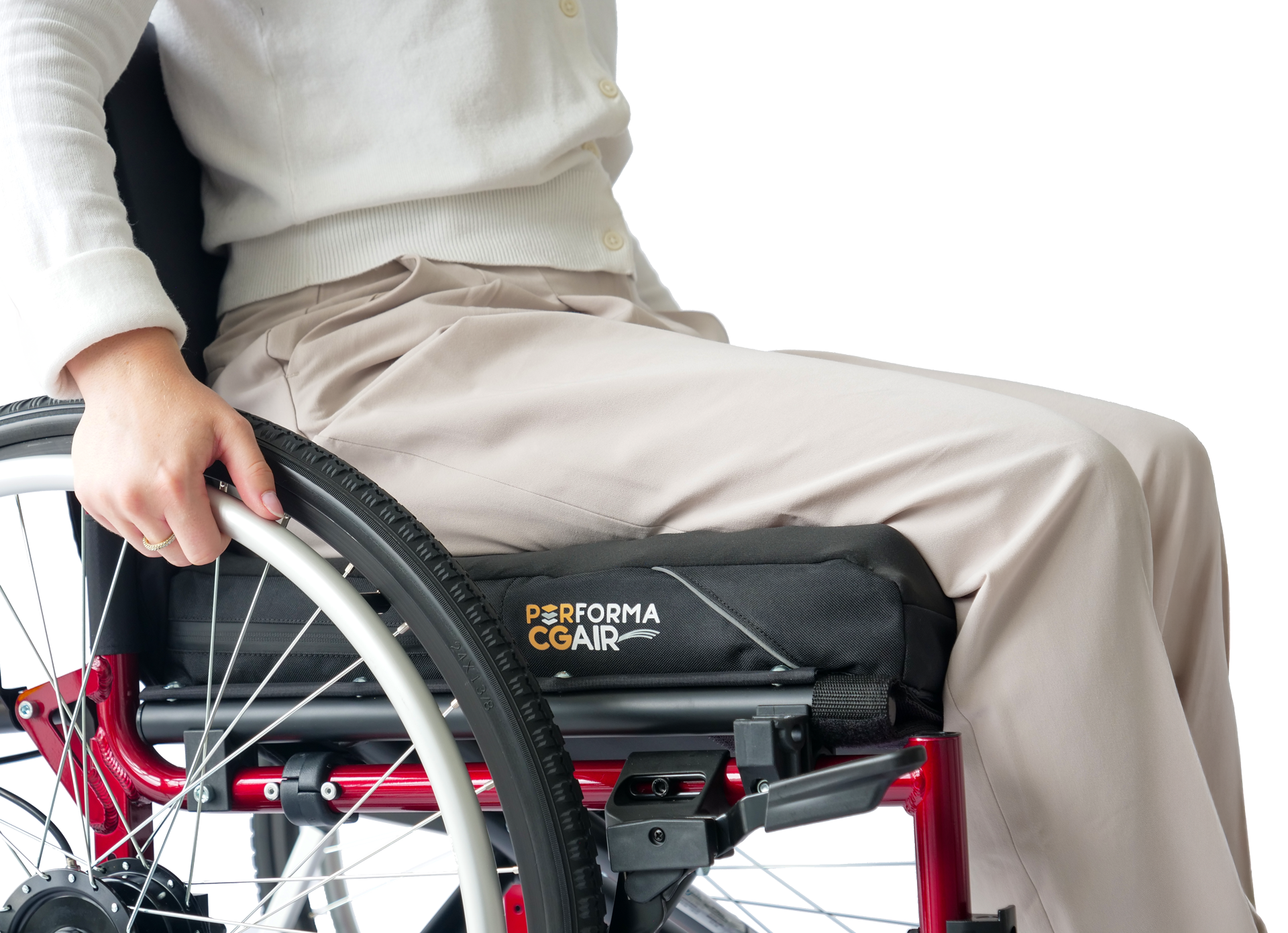
Performa CG Air Cushion
Engineered for complex rehab seating, the Performa CG Air Cushion combines adjustable interconnected air cell matrices with an ergonomic contoured base. Designed to prevent Stage I–IV pressure injuries while maintaining pelvis stability and preventing anterior sliding in manual and power wheelchairs.
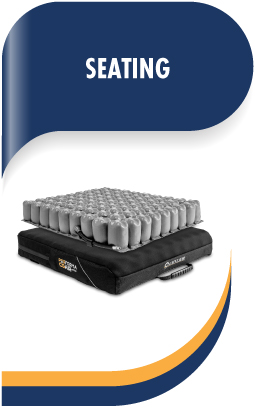
Therapeutic Air Cushion Series
Available in single-compartment and dual-valve zone control configurations (2-inch, 3-inch, and 4-inch cell heights). Built from medical-grade neoprene and resilient TPU polymers, offering fire retardancy, anti-microbial resistance, and customizable cell layouts for asymmetry correction.
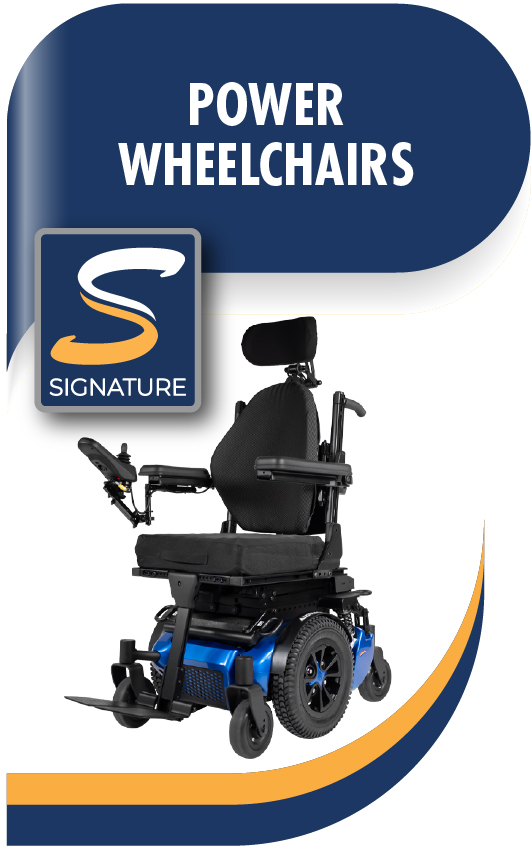
Alltrack Power Wheelchair Seating Integration
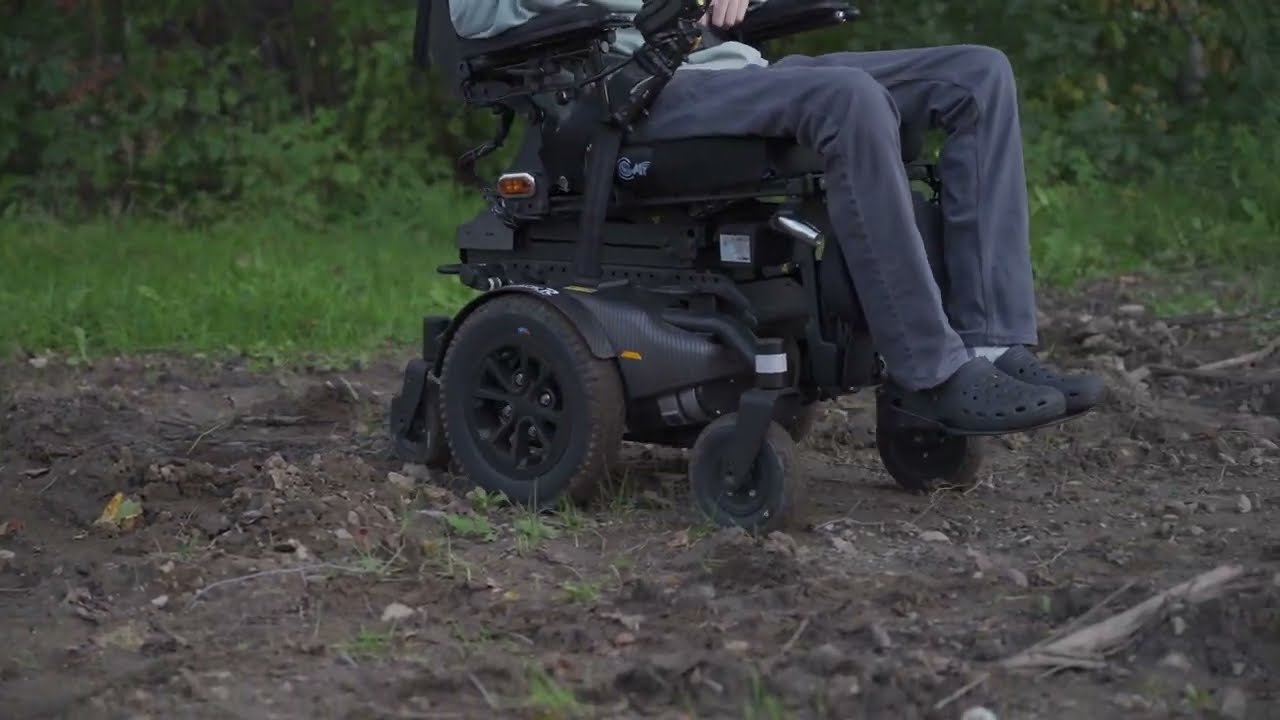
Designed for seamless synchronization with our Alltrack Series power positioning systems. Works in harmony with power tilt-in-space, recline, and leg elevation features to optimize dynamic weight shifts without causing pressure bottoming out.
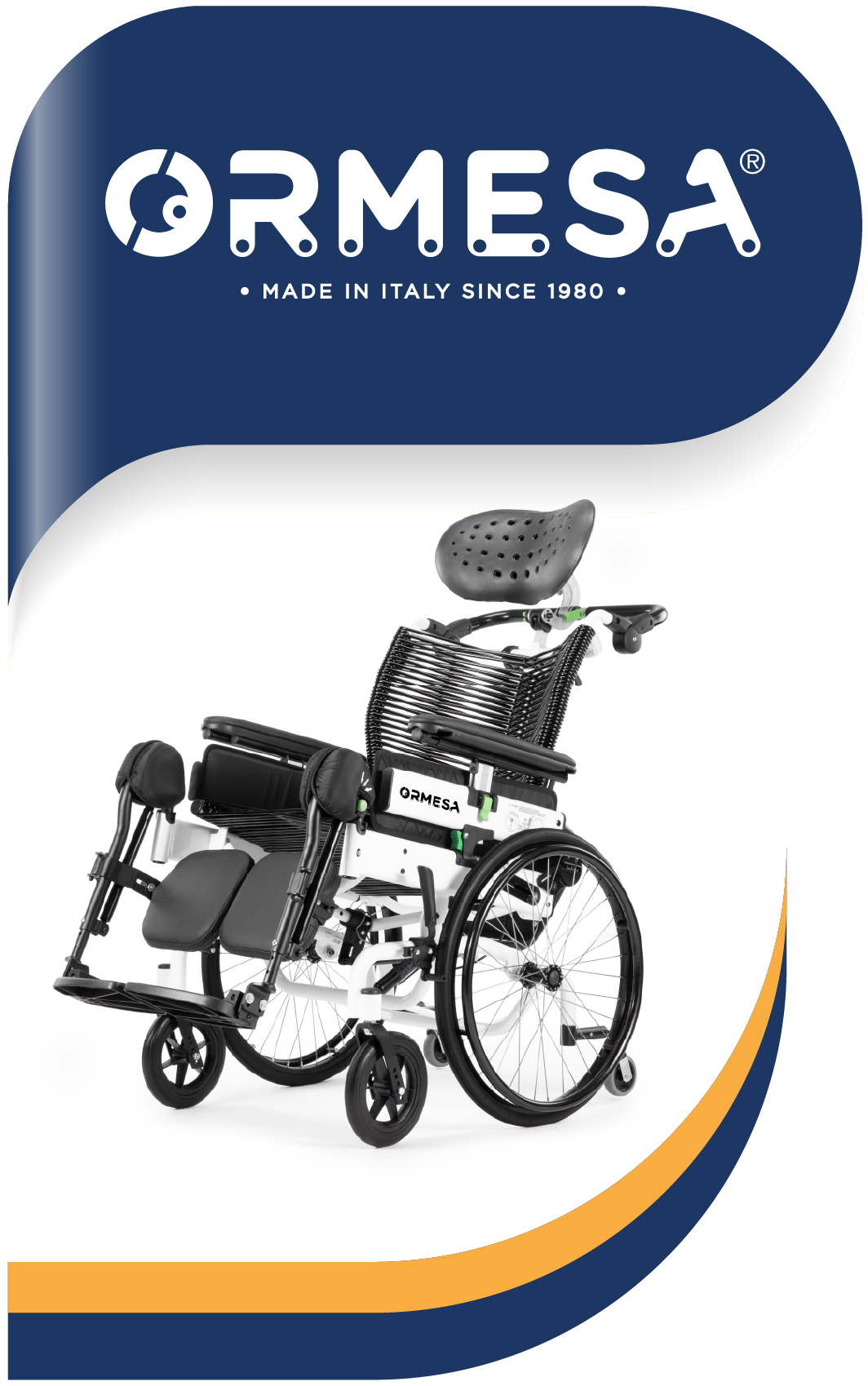
Ormesa Pediatric Therapeutic Seating
Specialized therapeutic seating and posture correction systems designed for pediatric care. Offers tailored support, growth adaptability, and tissue pressure management for young users with complex adaptive needs.
Technical Specification Comparison for B2B Procurement Officers
To assist institutional buyers in making data-driven procurement decisions, the following matrix outlines technical specifications across our primary therapeutic seating categories:
| Product Model / Series | Cell Architecture | Cell Heights Available | Weight Capacity Range | Primary Clinical Indication | Cover Material Specification |
|---|---|---|---|---|---|
| Performa CG Air | Interconnected Dynamic Matrix + Contoured Core | 75 mm / 100 mm (3" / 4") | up to 227 kg (500 lbs) | High to Extreme Risk (Stage I–IV Ulcers) | 4-Way Stretch Breathable Waterproof Nylon / TPU |
| Standard Air Single-Valve | Hydrostatic Equalization Single-Zone | 50 mm / 75 mm / 100 mm | up to 159 kg (350 lbs) | Moderate to High Risk (Stage I–II Ulcers) | Flame-Retardant Breathable Stretch Cover |
| Dual-Zone Therapeutic Air | Independent Pelvic & Femoral Compartments | 75 mm / 100 mm (3" / 4") | up to 204 kg (450 lbs) | Asymmetric Posture & High Pelvic Obliquity Risk | Low-Shear Anti-Bacterial Micro-Climatic Cover |
| Bariatric Therapeutic Air | Reinforced Heavy-Duty Cell Array | 100 mm (4-Inch Heavy Duty) | up to 317 kg (700 lbs) | Bariatric High-Risk Pressure Redistribution | Reinforced Heavy-Duty Anti-Slip Base & Top Cover |
Global Sourcing & Procurement Trends for Therapeutic Air Cushions (2026–2035)
The global market for therapeutic air cushions and advanced pressure relief seating is undergoing a structural evolution driven by demographic aging, healthcare policy mandates, and technological convergence. International distributors and hospital procurement agencies must navigate several macro trends over the next decade:
1. Expansion of Value-Based Healthcare and Total Cost of Care (TCC)
Global health authorities (such as CMS in North America and NHS frameworks in Europe) are increasingly holding healthcare facilities financially accountable for hospital-acquired pressure injuries (HAPIs). Sourcing low-quality foam cushions results in high secondary treatment costs (wound debridement, surgical flap procedures, systemic infection management). Procurement teams are shifting toward high-performance therapeutic air cushions as a preventive cost-containment strategy, demanding clinical efficacy data and verifiable tissue pressure mapping metrics from suppliers.
2. Shift Toward Nearshoring and Supply Chain Transparency
Recent global logistics disruptions have highlighted the risks of single-source overseas manufacturing. Medical buyers are prioritizing suppliers with North American and European production footprints that offer ISO 13485 certification, robust FDA registration, and CE MDR compliance. Amylior’s dual manufacturing hubs in Canada and the United States ensure streamlined fulfillment, stable lead times, and continuous inventory access for high-volume tender contracts.
3. Demand for Modular, Cleanable, and Infection-Control Systems
In post-acute care and long-term care environments, cross-contamination prevention is paramount. Sourcing trends favor therapeutic air cushions constructed with liquid-impermeable, wipeable seams, and flame-retardant covers compatible with hospital-grade disinfectants (such as quaternary ammonium and accelerated hydrogen peroxide). Modular cell configurations that allow individual cell replacement without discarding the entire cushion assembly significantly reduce the Total Cost of Ownership (TCO) for institutional fleets.
Product Development & Technological Innovations in Air Seating
Technological advancement in therapeutic seating extends far beyond traditional air vulcanization. Amylior’s R&D department continues to spearhead innovation in materials science, biomechanical design, and custom manufacturing. Key technological trajectories transforming the market include:
Advanced Bio-Compatible Elastomers and Vulcanized Neoprene Formulations
Traditional vinyl and basic PVC cushions suffer from thermal degradation, material brittleness over time, and skin allergen concerns. Next-generation therapeutic air cushions utilize high-elasticity vulcanized neoprene and polyolefin composites that maintain flexible memory under extreme temperature fluctuations, offering superior tear resistance, puncture resistance, and tactile softness.
Integration with Intelligent Sensor Technology and AI Pressure Mapping
The future of complex rehab seating lies in continuous digital pressure monitoring. Emerging smart therapeutic air cushion prototypes incorporate micro-sensor arrays that communicate with mobile devices or power wheelchair telemetry. These systems alert caregivers to bottoming-out conditions, posture asymmetry, or prolonged static loading, automatedly adjusting air cell inflation pressure in real time.
Postural Alignment Integration within Complex Rehabilitation Systems
A therapeutic air cushion cannot function in isolation. Modern development focuses on combining pressure-relieving air cell tops with anatomically shaped foam bases (hybrid architecture). This hybrid approach addresses two critical clinical objectives simultaneously: air cells manage microclimate and soft tissue immersion, while the contoured pelvic well and lateral thigh supports stabilize pelvic tilt, preventing lumbar kyphosis and skeletal deformities.
Frequently Asked Questions (FAQ) for Global Buyers & Distributors
Below are expert answers to critical questions commonly submitted by international procurement officers, clinical seating specialists, and medical supply distributors when sourcing therapeutic air cushions:
A single-compartment air cushion redistributes air evenly across the entire surface through one inflation valve, providing uniform hydrostatic pressure immersion ideal for users with symmetrical posture. Multi-compartment (dual-valve or quad-valve) cushions feature isolated airflow zones. This allows clinicians to adjust air pressure independently between the left/right pelvic wells or anterior/posterior sections, correcting pelvic obliquity, pelvic rotation, and flexed hip postures while maintaining high-level pressure relief over the ischial tuberosities.
Cell height directly correlates with the depth of immersion. 100 mm (4-inch) cells offer maximum immersion and envelopment, making them the gold standard for users with existing Stage III or IV pressure injuries or severe bony prominences. However, deeper immersion can reduce lateral postural transfer stability for highly active manual wheelchair users. 75 mm (3-inch) cells offer an optimal balance of high-risk pressure redistribution and active transfer stability. 50 mm (2-inch) cells are ideal for lower-risk users, active manual chair users, or pediatric applications where seat-to-floor height is critical.
Amylior operates under certified ISO 13485 Quality Management Systems dedicated to medical device design and manufacturing. Our therapeutic air cushions comply with FDA Class II medical device requirements in the United States, Health Canada Medical Device Regulations, and European CE MDR 2017/745 standards. Materials undergo rigorous testing for flammability (CAL 117 / ISO 7176-16), cytotoxicity (ISO 10993-5), and skin irritation/sensitization (ISO 10993-10).
Yes. Amylior provides comprehensive OEM/ODM services for established global medical distributors. We manufacture non-standard custom dimensions (from pediatric 10x10 inch up to bariatric 30x24 inch), custom cell grid geometry, specialized cover branding, and custom packaging. Bulk procurement contracts feature flexible MOQs, specialized freight arrangements, and dedicated engineering consultation.
When a power wheelchair tilts or reclines, the center of gravity and pressure distribution across the seat surface shifts dynamically. Amylior’s therapeutic air cushions, such as the Performa CG Air, feature flexible interconnected cell bases that maintain continuous fluid displacement during tilt cycles. This prevents sheer friction along the sacral spine and eliminates bottoming-out risks during mechanical seat articulation.
Under standard clinical maintenance and proper inflation procedures, high-grade flame-retardant neoprene and TPU air cushions typically deliver a service life of 3 to 5 years. Amylior supports wholesale buyers with comprehensive manufacturer warranties covering cell seal integrity and cover construction, backed by spare parts support (repair patches, replacement valves, and individual covers) to extend fleet longevity.
Corporate Excellence, Engineering Heritage & Supply Chain Trust
Amylior is a globally recognized manufacturer of complex mobility products, engineered positioning equipment, and therapeutic seating solutions. Our company philosophy is founded on a singular pledge: "Life is unpredictable... your mobility device shouldn't be." When purchasing managers select Amylior as their primary seating supplier, they gain access to an established ecosystem of engineering experience, rigorous quality control, and human-centered support.
ISO 13485 Certified
Strict quality control protocols governing medical device fabrication and pressure relief validation.
North American Manufacturing
State-of-the-art facilities located in Vaudreuil-Dorion, Canada, and Columbus, Ohio, USA.
Clinical R&D Leadership
In-house biomedical engineers collaborating directly with occupational therapists and clinical specialists.
Global Service Network
Seamless international warranty support, prompt order turnaround, and dedicated B2B account teams.

Inside our organization, we cultivate a culture that values precision engineering, empathetic design, and continuous innovation. Every therapeutic air cushion that leaves our production facility undergoes 100% pneumatic pressure holding tests and surface seam inspection. By combining high-touch customer support with industrial-scale manufacturing capability, Amylior delivers reliability that healthcare providers and distributors depend on daily.
 Amylior USA