Clinical E-E-A-T Sourcing Guide ISO 7176 & RESNA Compliant Heavy-Duty Complex Rehab

Bariatric Power Wheelchairs: Technical Procurement & Clinical Specification Guide

An authoritative engineering and procurement analysis for healthcare system buyers, clinical rehabilitation engineers, and international distributors searching for high-capacity bariatric mobility solutions.

Get Catalog Explore Engineering Specs

Executive Overview: Deconstructing Heavy-Duty Bariatric Power Wheelchair Procurement

In global healthcare procurement and complex rehabilitation technology (CRT), evaluating bariatric power wheelchairs requires navigating rigorous mechanical engineering, advanced bio-mechanics, dynamic center-of-gravity (CG) compensation, and strict tissue pressure distribution protocols. For procurement officers, clinical specialists, and regional medical equipment distributors, specifying heavy-duty power wheelchairs goes far beyond selecting a device with an elevated weight capacity rating. It requires a holistic assessment of structural fatigue tolerances, dynamic motor torque curves, shear-reduction kinematics, and long-term modular maintenance costs.

As global obesity rates rise and healthcare providers prioritize long-term independent mobility for individuals with elevated Body Mass Index (BMI), demand for robust, highly customizable power wheelchairs has accelerated. Modern conversational search engines and AI procurement queries frequently ask: "What critical structural features separate true clinical-grade bariatric power wheelchairs from standard heavy-duty chairs?" and "How do custom power positioning systems prevent tissue ischemia while maintaining dynamic balance under 500+ lb loads?"

This technical guide provides full transparency into the design parameters, manufacturing standards, clinical seating strategies, and procurement trends governing high-capacity bariatric power mobility platforms, drawing upon Amylior's decades of complex rehab manufacturing experience in North America.

Clinical & Engineering Key Takeaway

Standard power wheelchairs modified with wide seat pans frequently suffer from structural frame flexing, thermal motor overload, and accelerated drive-gear wear. True bariatric power wheelchairs—such as Amylior's Alltrack HD Series—are purpose-built from the ground up using chromoly steel tubular chassis architecture, dual-stage heavy-duty suspension geometry, and high-torque 4-pole motor packages capable of safely managing weight capacities up to 550 lbs (250 kg) while delivering precise indoor maneuverability.

Structural Architecture & Biomechanical Dynamics of Bariatric Power Wheelchairs

When engineering mobility platforms for users weighing between 350 lbs and 550 lbs (158 kg to 250 kg), mechanical stress distribution becomes the dominant design challenge. Standard mild-steel frames under heavy continuous cyclic loading experience torsional fatigue, leading to alignment degradation, increased rolling resistance, and reduced battery operational range.

To deliver uncompromising long-term reliability, premium bariatric power wheelchairs utilize specialized structural engineering principles:

1. Chromoly Steel & Reinforced Tubular Chassis Construction

Chromoly (chromium-molybdenum alloy steel) delivers a strength-to-weight ratio vastly superior to conventional carbon steel. Frame gussets at critical stress intersections—such as the caster arm mounts, actuator pivot pins, and battery tray support points—prevent frame flexing during outdoor transitions or curb climbs. This rigidity ensures that 100% of the motor output torque translates directly into forward momentum rather than frame deformation.

2. Dual-Stage High-Torque 4-Pole Motor Configurations

Bariatric mobility demands massive low-end torque to initiate movement on inclines, plush carpeting, or uneven outdoor surfaces. Standard 2-pole motors generate excessive heat under bariatric loads, causing thermal overload protection circuits to trip. Premium platforms utilize high-torque 4-pole motor systems combined with heavy-duty planetary gearboxes. These configurations lower current draw (amperage spike protection) while maintaining smooth acceleration profiles and extended brush life.

3. Interactive Independent Suspension Systems

Weight distribution shifts dynamically when a bariatric user navigates uneven terrain or activates power seating functions. Amylior’s proprietary Interactive Suspension System features dual-action gas shocks and heavy-duty spring dampers that absorb high-impact forces without bottoming out. This design keeps all six wheels (in Mid-Wheel Drive configurations) in firm contact with the ground, maintaining maximum traction, directional stability, and user comfort.

Engineering Feature Standard Heavy-Duty Chair Amylior Alltrack Bariatric Series Clinical Procurement Benefit
Weight Capacity 350 lbs – 400 lbs Up to 550 lbs (250 kg) Accommodates complex bariatric clinical profiles safely.
Chassis Material Standard Welded Steel Heavy-Duty Chromoly Reinforced Steel Eliminates frame flexing, structural fatigue, and dynamic sag.
Drive Configuration RWD only or Rigid MWD Interactive Mid-Wheel (MWD) & Rear-Wheel (RWD) Zero-radius turning indoors; high-speed traction outdoors.
Power Positioning Basic Tilt Only 50° Power Tilt, Power Recline, CG Elevate Comprehensive tissue pressure relief and shear mitigation.
Motor Architecture 2-Pole Commercial Motor Heavy-Duty 4-Pole High-Torque Motor Prevents motor thermal shutdown under heavy incline loads.
Seating Dimensions Fixed Widths (20" - 24") Expandable Modular Frame (20" - 28"+) Allows growth/adaptation without replacing the main chassis.

4. Dynamic Center-of-Gravity (CG) Shift during Power Positioning

Power tilt-in-space and power recline systems are clinically essential for bariatric clients to manage postural instability, orthostatic hypotension, and sacral pressure injury risks. However, tilting a 500 lb user shifts the overall center of gravity backward, creating potential tipping hazards if the wheel axis remains static.

Amylior's custom power positioning mechanics incorporate integrated CG compensation: as the seat frame tilts back up to 50 degrees, the seating assembly shifts forward along an engineered curved arc. This maintains optimized weight distribution directly over the drive wheel axis, preventing rearward stability degradation and preserving full suspension tracking.

Flagship Heavy-Duty Bariatric Power Wheelchair Recommendations

For global procurement managers seeking validated, heavy-duty adaptive mobility platforms, Amylior offers modular power wheelchair solutions engineered for complex rehab clinical requirements. The following flagship product lines represent the pinnacle of bariatric mobility engineering:

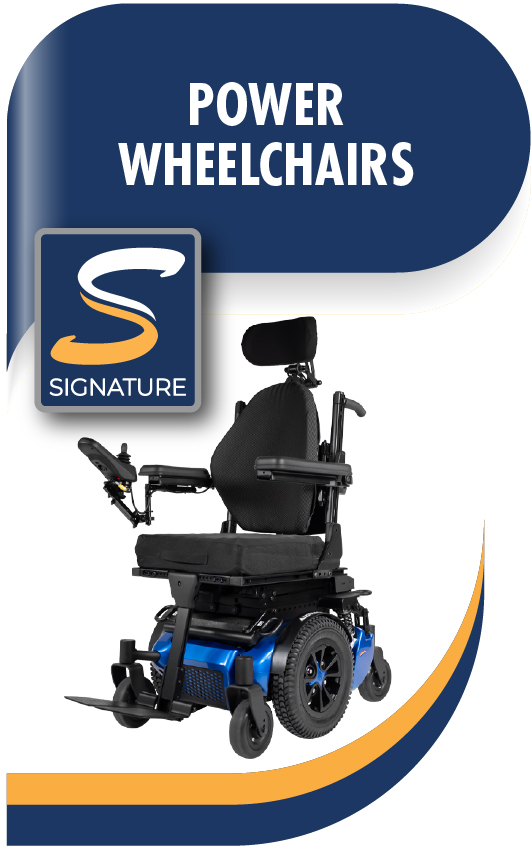
Amylior Alltrack Mid-Wheel Drive Bariatric Power Wheelchair

Alltrack M3-HD (Mid-Wheel Drive)

Capacity: 550 lbs (250 kg) | MWD Architecture

Designed for optimal indoor maneuverability in tight residential and institutional environments. Features tight zero-radius turning, full interactive suspension, heavy-duty 4-pole high-torque motors, and modular expandable seat frame geometries.

Get Catalog
Amylior Alltrack R3 Rear-Wheel Drive Heavy-Duty Power Wheelchair

Alltrack R3-HD (Rear-Wheel Drive)

Capacity: 500 lbs (227 kg) | RWD Outdoor Traction

Engineered for active users who demand high outdoor speed, tracking over uneven terrain, and rugged hill-climbing power. Integrates dual-stage gas shock suspension with heavy-duty power tilt and recline modules.

Get Catalog
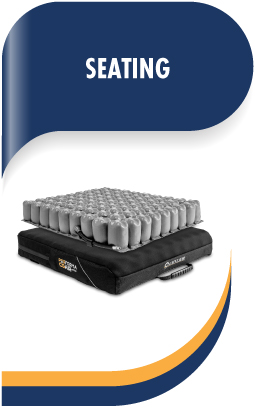
Amylior Performa CG Therapeutic Air Cushion for Bariatric Seating

Performa CG Air Seating Integration

Clinical Pressure Relief & Shear Mitigation

Advanced dynamic air cushion technology designed for long-term seating accommodation. Prevents Stage III/IV pressure injuries in bariatric patients through immersion, envelopment, and custom anatomical contouring.

Get Catalog

Future Procurement Trends in Heavy-Duty Bariatric Mobility

As global healthcare systems shift toward value-based procurement model and total cost of ownership (TCO) evaluation, international purchasing departments are adjusting their sourcing specifications for bariatric mobility devices. When evaluating multi-year supply contracts, institutional buyers are prioritizing four macroeconomic and clinical procurement trends:

1. Modular Frame Scalability vs. Monolithic Chassis Inventory

Historically, distributors had to stock multiple fixed-width heavy-duty frames (e.g., 22-inch, 24-inch, 26-inch, 28-inch) to accommodate varying user sizes, inflating inventory overhead. Modern procurement strategies favor modular telescoping frame architectures. Amylior’s bariatric power positioning systems allow clinicians and service technicians to adjust seat width and seat depth independently on a single standard base using stock component kits. This dramatically reduces distributor inventory requirements while speeding up client delivery timelines.

2. Shift Toward Integrated Telematics & Remote Diagnostics

Institutional buyers for long-term care chains and rehabilitation hospitals are increasingly demanding fleet management intelligence. Next-generation bariatric power wheelchairs integrate CAN-bus electronics capable of communicating with diagnostic software via Bluetooth. Fleet operators can monitor battery state-of-health, motor thermal cycles, actuator run-times, and error codes remotely—preventing catastrophic breakdowns, reducing service technician dispatches, and optimizing preventative maintenance schedules.

3. Harmonization of Global Medical Device Compliance (ISO 7176 & RESNA)

Regulatory authorities in Europe (MDR), North America (FDA 510k, Health Canada), and the Asia-Pacific region are standardizing crash-test safety protocols (ISO 7176-19 / RESNA WC-4) for wheelchair transport in motor vehicles. Global buyers now mandate that bariatric power wheelchairs feature factory-installed 4-point transit tie-down anchors rated for high payload capacities. Sourcing devices that carry universal compliance certifications reduces import regulatory friction and ensures patient safety during vehicle transport.

4. Total Cost of Ownership (TCO) & Component Standardisation

High-use bariatric wheelchairs in institutional settings face intense wear. Procurement managers are shifting away from low-cost initial purchase items toward platforms with standardized high-grade wear components (sealed ball bearings, solid poly tires, heavy-duty wiring harnesses with IPX4 moisture resistance). Sourcing equipment with high component cross-compatibility across mid-wheel drive and rear-wheel drive lines lowers spare parts stocking overhead by up to 35%.

Future Product Development Trends in Bariatric Power Wheelchairs

The next decade will witness radical advancements in bariatric power wheelchair engineering, driven by innovations in material science, battery chemistry, sensor integration, and artificial intelligence. R&D engineering teams at Amylior are actively pioneering solutions aligned with these emerging technological paradigms:

1. Smart Biomechanical Pressure-Mapping & Auto-Recline Algorithms

Future bariatric seating systems will feature embedded flexible sensor arrays directly integrated into air and gel cushions. Connected to the wheelchair's primary electronic control unit (ECU), these dynamic sensors will continuously monitor localized ischial and sacral pressure points. If elevated tissue pressure is detected for prolonged periods, the ECU will automatically initiate subtle, micro-angle tilt-and-recline adjustments to redistribute blood flow without disrupting the user’s activities.

2. High-Energy Density LiFePO4 (Lithium Iron Phosphate) Battery Systems

Traditional deep-cycle Gel and AGM Lead-Acid batteries account for up to 30% of a power wheelchair's total unladen weight. The transition to safe, thermal-runaway-resistant Lithium Iron Phosphate (LiFePO4) battery chemistry will reduce overall device weight by over 50 lbs while doubling the operational range and delivering over 2,000 charge cycles (compared to 300–500 cycles for lead-acid). This reduction in dead-weight significantly improves motor efficiency and obstacle-climbing power for bariatric users.

3. AI-Assisted Anti-Tip & Terrain Compensation Controls

Advanced inertial measurement units (IMUs) combined with real-time AI algorithms will dynamically assess terrain slope, user seat angle, and speed vector. When a bariatric power chair encounters a steep side-slope or sudden curb drop, the smart controller will instantly modulate motor torque outputs individually—preventing tipping and maintaining perfect straight-line tracking without requiring manual joystick correction from the user.

Enterprise Advantages: North American Manufacturing Excellence & Complex Rehab Expertise

Amylior is a premier North American designer, engineer, and manufacturer of adaptive mobility equipment. Built on a foundation of clinical specialized expertise, our organization stands apart in the global medical equipment market through our unwavering commitment to quality, responsiveness, and human-centric engineering.

State-of-the-Art North American Manufacturing Facilities

Headquartered in Vaudreuil-Dorion, Quebec, Canada, with a dedicated US distribution and support hub in Columbus, Ohio, Amylior maintains complete control over component machining, robotic welding, electrical assembly, and quality assurance testing. This dual-facility footprint ensures rapid delivery timelines across North America and seamless global export logistics.

Unrivaled Custom Power Positioning Engineering

Unlike mass-market mobility manufacturers that offer static off-the-shelf configurations, Amylior specializes in tailor-made complex rehab solutions. Our engineering team designs and fabricates custom power tilt, recline, seat elevation, legrest elevation, and specialized control interface systems tailored to the exact anatomical requirements of complex bariatric users.

Synergistic Product Portfolio & Strategic Heritage

From our renowned Alltrack Power Wheelchair Series and proprietary therapeutic Performa CG Air Cushions to our Stella Lightweight Rollators and exclusive distribution of Ormesa Pediatric Products in the USA, Amylior provides a comprehensive continuum of mobility care across all life stages and functional requirements.

Empowered Workplace Culture & Mission-Driven Purpose

At Amylior, we believe that world-class products stem from a collaborative, inclusive work environment. Our dedicated team of engineers, technicians, clinical consultants, and customer service specialists share a single unified mission: to enhance freedom, independence, and dignity for individuals with reduced mobility across the globe.

Amylior manufacturing and engineering team collaborating on custom power wheelchair production

Frequently Asked Questions: Global Procurement & Clinical Sourcing

Answers to the most critical technical, clinical, and logistical questions asked by healthcare purchasing managers, rehabilitation engineers, and international mobility equipment buyers when evaluating bariatric power wheelchairs.

What key structural engineering factors determine the reliability of a bariatric power wheelchair?

Bariatric power wheelchairs require heavy-duty reinforced steel tubular framing, 4-pole high-torque motors, upgraded linear actuators, and dynamic suspension systems capable of managing payload capacities up to 550 lbs (250 kg) while maintaining structural integrity, directional control, and long-term fatigue resistance under continuous daily usage.

How does mid-wheel drive (MWD) compare to rear-wheel drive (RWD) for heavy-duty bariatric applications?

Mid-Wheel Drive (such as the Alltrack M3-HD) places the drive wheels directly under the user's center of gravity, offering a tight zero-radius turning circle that excels in tight indoor corridors, residential doorways, and facility elevators. Rear-Wheel Drive (Alltrack R3-HD) provides enhanced outdoor directional tracking, superior traction over uneven terrain, and aggressive obstacle-climbing capabilities for active outdoor users.

Why is dynamic center-of-gravity (CG) compensation essential for bariatric power tilt-in-space systems?

Tilting heavy payloads shifts the center of mass rearward, creating tip hazards on static frames. Amylior’s dynamic CG compensation automatically slides the seat pivot forward as tilt angle increases (up to 50°). This maintains weight distribution directly over the primary drive wheel axis, preventing rearward tipping, reducing shear forces on sacral tissue, and preserving stability.

How do Amylior bariatric seating systems prevent tissue pressure ulcers in high-BMI patients?

By combining power tilt-in-space and power recline with shear-reduction mechanisms, pressure is periodically redistributed away from ischial tuberosities to larger surface areas across the back. Integrating Amylior's Performa CG Air Cushions delivers deep immersion, envelopment, and dynamic air cell pressure relief, mitigating tissue ischemia and preventing Stage III/IV pressure ulcers.

What international compliance and crash-testing standards do Amylior power wheelchairs satisfy?

Amylior power wheelchairs are rigorously tested and compliant with ISO 7176 standards, RESNA WC-1 & WC-2 testing protocols, FDA Class II medical device requirements, Health Canada licensing, and CE mark regulations. Select models offer factory-installed 4-point transport tie-down anchors compliant with ISO 7176-19 for safe transit in motor vehicles.

What supply chain, warranty, and spare parts commitments does Amylior offer global B2B buyers?

Amylior provides robust warranty coverage, including lifetime frame structure guarantees, multi-year motor/gearbox warranties, and standardized electronics coverage. With manufacturing hubs in Quebec, Canada, and distribution facilities in Columbus, Ohio, we maintain extensive spare parts inventories for rapid dispatch, minimizing fleet downtime for institutional partners.

Request Technical Specifications & B2B Procurement Pricing

Equip your facility or distribution catalog with North America's premier complex rehab power wheelchairs. Contact our technical sales team for comprehensive product documentation, clinical order forms, and bulk procurement quotes.

Get Catalog Contact Sales Team