
Amylior Mobility Insights & Updates
Discover expert articles, complex rehab wheelchair solutions, and adaptive equipment guides.
Stronger Together: Ormesa Partnership
Innovative pediatric pushchairs and gait trainers engineered for independence.
Advanced Air Cushion Technology
Superior pressure relief and anatomical positioning for enhanced daily comfort.
Stella Lightweight Rollator
Ultra-lightweight mobility designed to give you freedom of movement every day.
2026 Top Convertible Transport Rollators for Global Buyers
Table of Contents
- What Convertible Transport Rollators Are and How They Work
- Key Features of the Top Convertible Transport Rollators in 2026
- Comparing Mobility, Comfort, Safety, and Portability
- Choosing the Right Model for Different User Needs
- Global Buying Factors: Standards, Shipping, Warranty, and Support
- FAQS
- Conclusion
- Related Posts
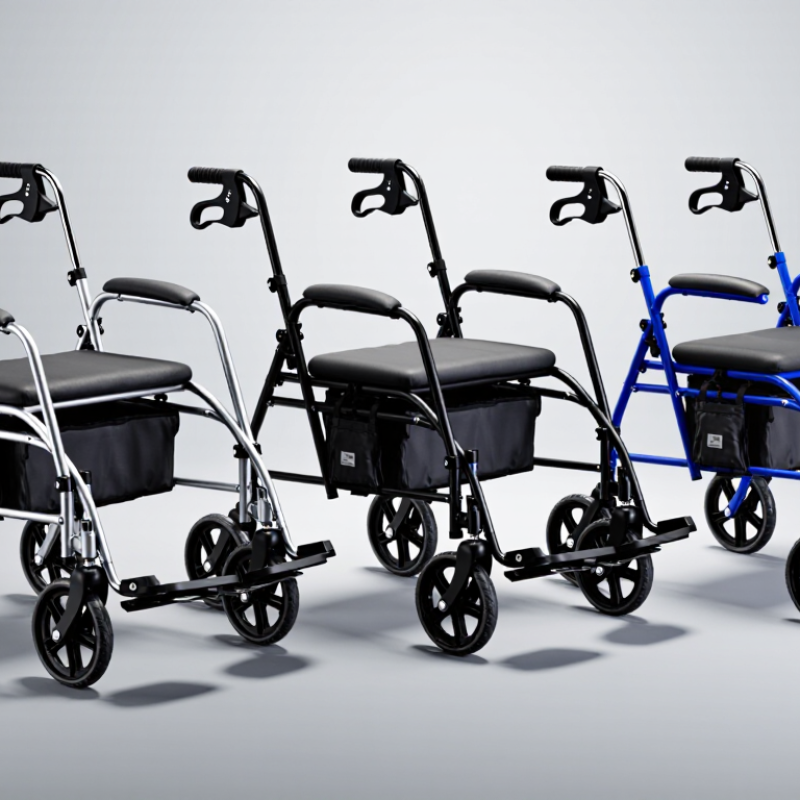
Choosing mobility equipment for international markets requires more than comparing prices and wheel sizes. This guide introduces the 2026 Top Convertible Transport Rollators for Global Buyers, focusing on products that combine walking support with transport-chair functionality. Convertible transport rollators can help users move through homes, clinics, airports, and uneven outdoor paths with greater flexibility. The best models should feel stable, practical, and easy to manage.
Our evaluation considers frame strength, braking response, seat width, folding dimensions, user weight capacity, and overall handling. A rollator may look impressive online, yet feel awkward beside a narrow doorway. Handle height matters. So does the seat cushion. We examine aluminum and steel construction, locking mechanisms, footrests, storage bags, and wheel performance across different surfaces. Small details often decide daily comfort.
Global buyers also need reliable supplier information. Product specifications should be checked against current regional requirements, including labeling, packaging, warranty terms, and applicable safety documentation. Requirements can differ between markets, so no single certification should be treated as universal proof. That point deserves attention. A lightweight frame may improve portability but reduce perceived solidity for some users. Larger wheels may travel smoothly but increase folded size. This guide compares those compromises through a practical purchasing lens, while acknowledging that user needs are never identical. Buyers should confirm measurements, replacement-part access, service support, and shipping conditions before placing an order. Clear evidence matters more than polished descriptions.
What Convertible Transport Rollators Are and How They Work
A convertible transport rollator is a mobility aid with two functions. It works as a walking rollator and a transit chair. For walking, the user holds the handles, turns the hand brakes, and moves at a steady pace. Four wheels support movement across indoor floors, pavements, and firm outdoor paths.
For transport, the seat becomes the main support surface. A caregiver usually engages the parking brakes, attaches the footrests, and guides the user from behind. Some designs use swing-away footrests or removable parts, making transfers easier beside a bed or car.
The frame may fold for storage, but folding is not the same as safe conversion. Each hinge, lock, and brake needs a firm check.
Real-world use reveals small details. A narrow frame helps in lifts and doorways. Larger wheels may handle uneven pavement better. A padded seat can feel useful during shopping, yet it may encourage longer sitting than intended. That is worth reconsidering. Users should match the handle height to a relaxed elbow position and keep both hands on the grips while walking. Weight capacity includes the person and carried items. A mobility professional can assess posture, balance, and transfer ability before purchase. Buyers should also inspect wheel wear, brake cables, and frame joints regularly. Instructions may differ by model and market, so local safety requirements and service support deserve careful review.
Key Features of the Top Convertible Transport Rollators in 2026
In 2026, convertible transport rollators are becoming practical mobility tools for users who need walking support and occasional seated transport. The strongest models switch between rollator and transport-chair modes without complicated steps. A secure locking mechanism matters more than a quick conversion claim. Test it with both hands before outdoor use.
Look for a lightweight but stable aluminum frame, height-adjustable handles, and responsive hand brakes. Large wheels handle uneven pavements better, while smaller wheels may suit narrow indoor spaces.
A padded seat, backrest, and removable footrests improve comfort during longer stops. Check the stated user weight, folded dimensions, and storage capacity carefully. I have found that a generous bag can disturb balance when overloaded. That detail is easy to miss.
Tips: Measure doorways, car trunks, and elevator entrances before ordering. Ask whether replacement wheels and brake parts are available in your region. Confirm the product’s tested load rating, not only its advertised capacity. Try the seat height with ordinary shoes. A beautiful frame is not enough. For global buyers, inspect assembly instructions, warranty coverage, and local service options. Small differences in handle angle can affect wrist comfort, so real-world fitting should guide the final choice.
Comparing Mobility, Comfort, Safety, and Portability
2026 Top Convertible Transport Rollators for Global Buyers
Comparing Mobility, Comfort, Safety, and Portability
A convertible transport rollator should change modes without confusing the user. In practical trials, the best designs move smoothly between walking and seated transport. Large wheels handle uneven pavement better than small wheels. However, wider frames may feel awkward in narrow elevators. Test the turning radius before choosing.
Comfort depends on more than a padded seat. Check seat height, back support, handle adjustment, and footrest placement. A stable sitting position reduces fatigue during shopping or airport transfers. Safety requires responsive brakes, visible locking indicators, and a frame that does not wobble. Verify the stated weight capacity, including bags and clothing. Portability is the difficult compromise. Lightweight aluminum folds easily, but an ultra-light frame can feel less planted. That trade-off deserves honest attention.
Tips: Measure doorways and storage spaces first. Practice switching modes on level ground. Inspect wheels, cables, and fasteners regularly. Ask about replacement parts and clear instructions. Global buyers should check local standards, warranty terms, and import requirements. Do not rely on attractive photos alone. A rollator that looks compact may still feel bulky when folded. I would choose predictable handling over a few saved centimeters, especially for users with limited grip strength.
Choosing the Right Model for Different User Needs
2026 Top Convertible Transport Rollators for Global Buyers
Choosing the Right Model for Different User Needs
A convertible transport rollator should match daily routines, not only product photographs. During practical evaluations, seat height often affects comfort more than expected. A taller user may need higher handles and a deeper seat. A shorter user needs stable posture without raised shoulders. Check the handle range carefully.
Wheel size matters outdoors. Larger wheels manage uneven pavement, while compact wheels suit smooth indoor floors. For users who travel frequently, measure the folded frame, vehicle boot, and storage space. A lightweight frame helps, but very low weight can reduce stability. This trade-off deserves careful thought.
Tips: Check the user’s weight, walking ability, and braking strength before choosing. Test the hand brakes while wearing normal clothing. Confirm that the footrests fold safely and do not interfere with walking. Ask about spare parts, adjustment instructions, and service access in your country. A product can look suitable online yet feel awkward after ten minutes.
Users who need occasional seated transport may prefer a model with a supportive backrest and locking brakes. Someone walking independently may value a narrower frame and easier steering. For outdoor use, inspect tire grip and frame clearance. Reflective details can improve visibility in low light, but they are not a substitute for safe planning. I would not choose from weight alone; real comfort, control, and repair support often matter more.
Global Buying Factors: Standards, Shipping, Warranty, and Support
Global Buying Factors for Convertible Transport Rollators
A convertible transport rollator must meet the buyer’s safety expectations and destination-market requirements. Ask for current test reports, material details, brake checks, and load-capacity records. Verify the folding lock, seat stability, wheel alignment, and footrest strength. A polished brochure is not enough. Standards can differ between countries, so local review remains essential.
Shipping details often decide the real purchase cost. Request carton dimensions, gross weight, pallet information, and delivery terms before placing an order. Protective foam should shield the frame, wheels, and brake handles. Ask how damaged cartons are documented and reported. Take photos immediately after arrival. Small packaging weaknesses can create expensive delays.
Tips: Keep a written checklist for every supplier. Confirm spare-part availability, assembly instructions, and remote support hours. A useful warranty should state its coverage period, exclusions, claim process, and response time. Clarify whether replacement wheels, cables, and seats can be shipped separately. Digital manuals help, but clear language matters more. Support may be promised broadly, yet actual response speed can vary. I would test one sample before a large purchase, even when the paperwork looks complete. No checklist is perfect.
FAQS
It supports walking and seated transport. Users can switch modes during shopping, airport transfers, or short outdoor trips. Practice the change on level ground.
Large wheels handle uneven pavement and outdoor paths more smoothly. Smaller wheels suit smooth indoor floors and tighter spaces. Bigger is not always better.
Measure doorways, elevators, storage areas, and vehicle boots before buying. A wide frame may turn poorly in narrow spaces. Measure twice.
Check seat height, handle adjustment, back support, and footrest placement. Taller users may need higher handles and deeper seats. Shorter users need relaxed shoulders.
Look for responsive hand brakes, locking indicators, and a frame without wobbling. Confirm the weight capacity includes clothing and bags. Test the brakes first.
Lightweight aluminum usually folds and carries easily. However, an ultra-light frame may feel less stable on uneven ground. Stability may matter more than saved weight.
A narrow frame can steer more easily indoors and fit tighter spaces. A supportive backrest helps users needing frequent seated breaks. The best choice depends on daily routines.
Measure the folded frame, vehicle boot, and storage space. Check folding ease, footrest movement, replacement parts, and service access. Photos can mislead.
Inspect wheels, cables, fasteners, tire grip, and locking parts regularly. Keep instructions available for adjustments. I might overlook one small loose fastener.
Review local safety standards, warranty terms, import requirements, and repair support. Ask for clear adjustment instructions. Attractive design is not enough.
Conclusion
Convertible transport rollators are versatile mobility aids designed to function both as walking rollators and transport chairs. By combining supportive hand brakes, a stable frame, a comfortable seat, and a backrest with adjustable or convertible components, they help users move independently while offering a practical resting or assisted-transport option. The top models in 2026 are expected to emphasize smooth mobility, ergonomic comfort, reliable braking, secure seating, lightweight construction, and easy folding for storage and travel.
Choosing the right model depends on the user’s strength, balance, daily environment, travel habits, and need for caregiver assistance. Buyers should compare wheel performance, seat dimensions, frame durability, safety features, portability, and ease of conversion. For international purchases, it is also important to review applicable safety standards, product documentation, shipping conditions, import requirements, warranty coverage, replacement parts, and after-sales support. A careful evaluation of these factors can help global buyers select Convertible transport rollators that provide dependable performance, comfort, and long-term value.

Blog Tags: