
Recommended CE Certified Ergonomic & Pediatric Wheelchairs
Direct factory supply of medical-grade pediatric, adult cerebral palsy (CP), powered, and lightweight folding ergonomic wheelchairs. Built under strict EN ISO 13485 and CE MDR compliance.








State of the Industry: CE Certified Ergonomic Wheelchair Manufacturing & Global Procurement Guide
In the rapidly evolving global healthcare and assistive technology market, procuring CE Certified Ergonomic Wheelchairs requires a deep understanding of bio-mechanical engineering, compliance frameworks (such as EU MDR 2017/745), and specialized user-intent ergonomics. For institutional healthcare buyers, government procurement agencies, medical equipment distributors, and B2B importers, selecting a qualified OEM/ODM manufacturer directly dictates clinical outcome quality, patient safety, and operational longevity.
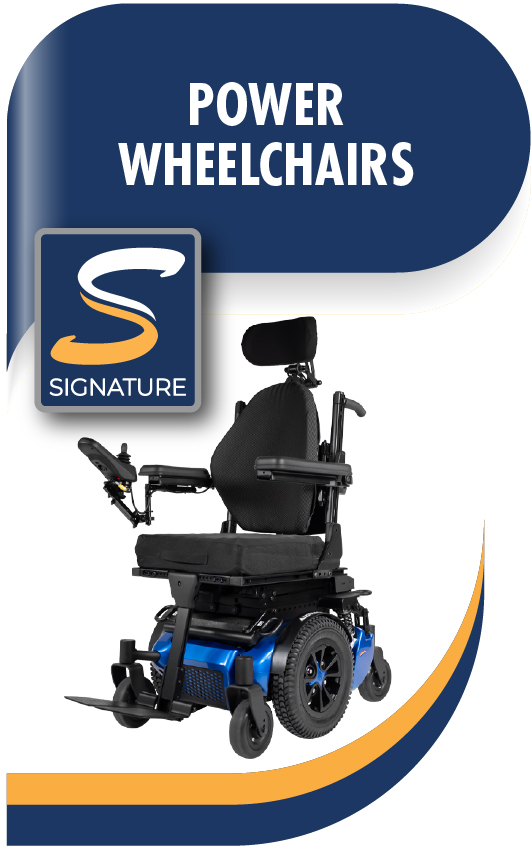
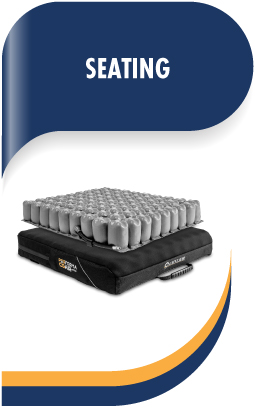
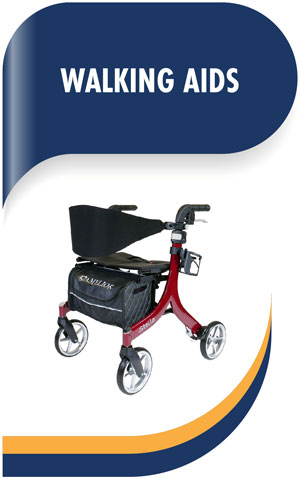
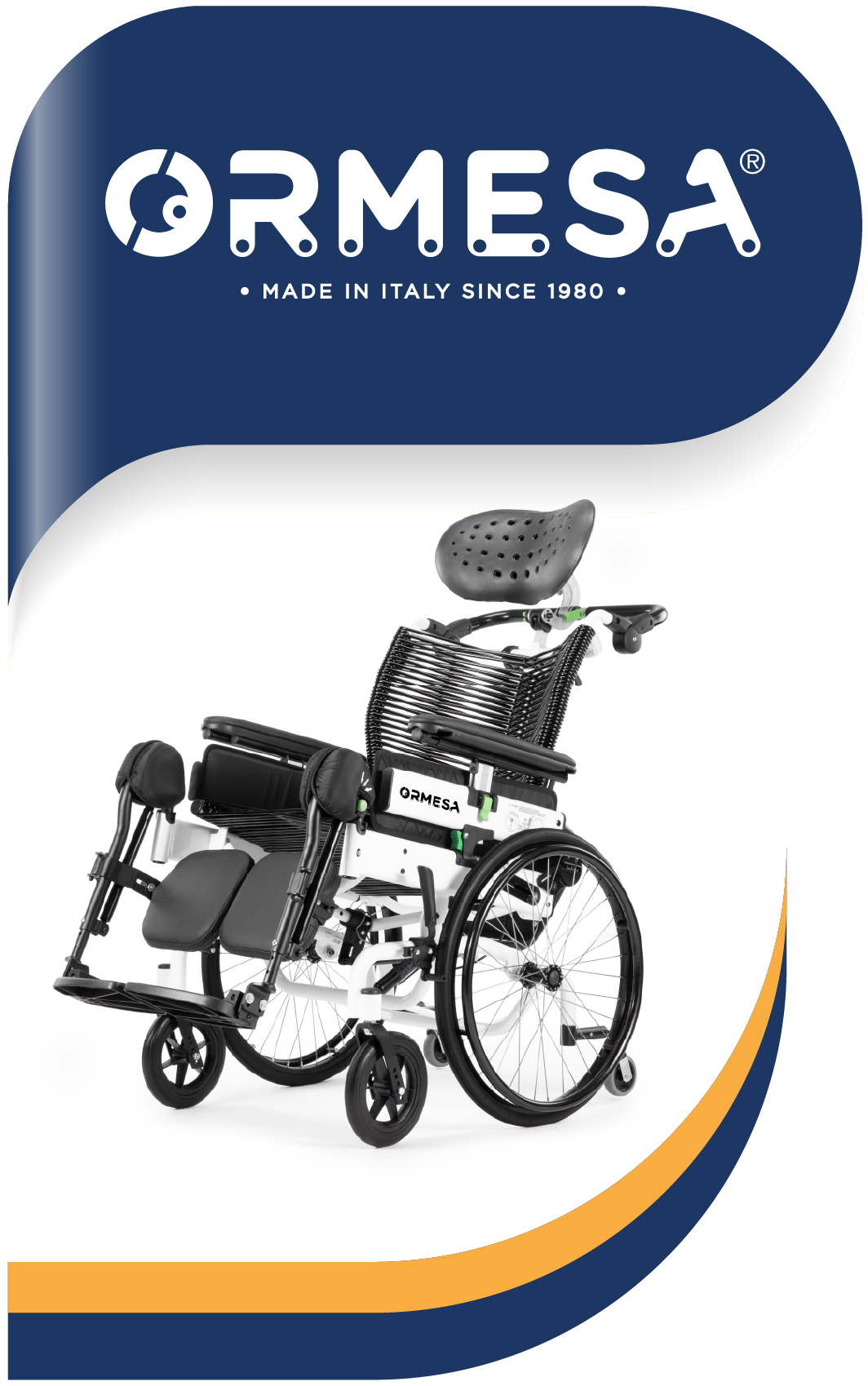
Ergonomic wheelchairs are no longer viewed merely as passive transport chairs. Modern clinical mobility solutions integrate advanced kinematic suspension, anatomical posture correction, anti-shear recline dynamics, dynamic pressure redistribution seating (such as therapeutic air cushions), and modular growth-adaptation frameworks for pediatric conditions like Cerebral Palsy (CP). As certified global manufacturers—leveraging synergy across lines such as the Alltrack Power Wheelchair Series, Performa CG Air Cushions, Stella Lightweight Rollator Walkers, and Ormesa Pediatric Systems—our manufacturing standards adhere strictly to international quality systems.
Bio-Kinematic Suspension
Patented interactive mid-wheel and rear-wheel drive suspension geometries isolate the user from ground vibration, preserving spinal alignment and protecting fragile pediatric bone structures during active outdoor and indoor navigation.
Strict CE MDR & ISO 13485
Full compliance with European Medical Device Regulation (EU 2017/745) Class I & Class II requirements, EN 12184 dynamic stability testing, crash-tested transit compliance (ISO 7176-19), and flame-retardant biocompatible upholstery.
Pediatric Growth Adaptability
Modular frame expansion technologies designed specifically for pediatric CP patients allow width, depth, and backrest angle adjustability to accommodate growing children, dramatically reducing lifetime total cost of care.
Our Manufacturing Capabilities & OEM Enterprise Advantages
Rooted in a culture where clinical precision meets industrial manufacturing, our production ecosystems—encompassing North American engineering hubs and dedicated high-capacity assembly complexes—are optimized for custom complex rehab tech (CRT) as well as mass-scale OEM supply. Immersed in an industry where excellence is paramount, we hold our facilities to the highest global benchmarks of reliability and craft.
R&D Innovation & Unwavering Quality Control
True technological innovation lies not merely in novel mechanical concepts, but in their capacity to deliver verifiable clinical outcomes and daily life improvements for users with reduced mobility. Our relentless research and development strategy has yielded industry-leading suspension dampening systems, ultra-lightweight aircraft alloy frames, and cellular therapeutic air cushion fabrication.
- ✓ Automated Robotic Welding & CNC Milling: High-precision structural integrity for seamless load-bearing frames.
- ✓ Rigorous Biomechanical Stress Testing: Multi-axis fatigue, drop, and obstacle impact testing exceeding standard EN 12184 directives.
- ✓ 100% End-of-Line Motor & Electronics Audit: Individual testing of joysticks, controllers (PG Drives Technology), and lithium battery management systems (BMS).
Empowered Workforce & Purpose-Driven Manufacturing
Inside our manufacturing centers and engineering labs, we foster an inclusive workplace culture that values the distinct perspectives, technical mastery, and creative problem-solving of every team member. We understand that the collective brilliance of our workforce stems from diverse global experiences.
By providing an environment where engineers, clinical seating specialists, and assembly technicians thrive, we directly elevate the quality of mobility products delivered to healthcare providers. Every wheelchair rolling off our assembly line represents a life-changing instrument designed for independence.

Ergonomic Wheelchair Category Specification Matrix
Selecting the correct equipment class requires detailed comparative evaluation. The matrix below outlines key engineering metrics across manual pediatric CP wheelchairs, folding lithium electric wheelchairs, and heavy-duty complex power rehab systems.
| Wheelchair Category | Primary Clinical Target | Frame Material & Weight | Ergonomic & Postural Features | Certification Compliance |
|---|---|---|---|---|
| Pediatric CP Manual Tilt-in-Space | Children with Cerebral Palsy, Hypertonia, Muscular Dystrophy | T6 Aircraft Aluminum (14.5 kg – 18 kg) | 30° Dynamic Tilt, 165° Recline, Abduction Block, Height-Adjustable Thoracic Wings | CE Class I, EN 12184, ISO 7176-19 Transit Tested |
| Foldable Lithium Electric Wheelchair | Active Seniors, Mild-to-Moderate Physical Impairment | Magnesium/Alloy Composite (19.8 kg including battery) | Contoured Memory Foam, Folding Ergonomic Backrest, Dual-Spring Shock Absorbers | CE MDR, FDA 510(k), UN 38.3 Lithium Battery Safe Flight |
| Complex Rehab Power Wheelchair (Alltrack) | Severe Mobility Impairment, Tetraplegia, Progressive Neuromuscular Conditions | Heavy-Duty Steel/Aluminum Modular Chassis (85 kg – 120 kg) | Power Tilt, Power Recline with Shear Reduction, Power Elevating Legrests, Performa CG Air Cushion | CE Class IIa, ISO 13485, ANSI/RESMA WC-19 |
| Active Pediatric Sports & Gait Stroller | Pediatric Early Intervention & Active Rehabilitation | Ultra-Light Hydroformed Aluminum (10.2 kg – 13.5 kg) | Center of Gravity Adjustability, Dynamic Pelvic Stabilizer, Push-Rim Ergonomics | CE Class I Medical Device, ISO 9001 |
Future Sourcing & Procurement Trends in Ergonomic Mobility (2025–2030)
As global healthcare procurement transitions toward value-based care and total cost of ownership (TCO) optimization, key technological and regulatory developments are redefining B2B purchasing criteria.
1. Smart Telematics & Predictive Maintenance
Future power wheelchairs will universally integrate IoT telematics chips capable of real-time diagnostics. Hospital fleets and mobility distributors can monitor battery cycle health, motor wear, and collision alerts remotely, reducing machine downtime by up to 40% and drastically lowering warranty handling costs.
2. Advanced Pressure Microclimate Management
The integration of smart sensor arrays inside seat cushions (such as dynamic air cell systems) automatically alters pressure points based on real-time posture shifts. This prevents stage 3 and 4 pressure injury development in non-ambulatory patients, satisfying stringent healthcare insurance reimbursement demands.
3. Growth Modularization in Pediatric Equipment
Institutional buyers are actively rejecting single-size pediatric chairs in favor of telescopic modular chassis. Manufacturers offering 3-in-1 frame growth capabilities (allowing seat width/depth expansion from age 4 to 12) win procurement tenders due to significant multi-year budget efficiency.
4. Stringent EU MDR & Carbon Footprint Audits
Importers into the European Union faces tighter scrutiny under EU MDR regulations. Sustainable sourcing, carbon-neutral aluminum smelting, non-toxic flame retardants, and complete technical documentation (Technical Documentation File / Declaration of Conformity) are now mandatory prerequisites for tender participation.
Frequently Asked Questions for Wheelchair Procurement & OEM Sourcing
Essential answers for medical equipment importers, clinical distributors, hospital purchasers, and healthcare tender managers.
Partner with a Trusted CE Certified Wheelchair Manufacturer
Elevate your medical equipment catalog with factory-direct, high-margin, clinically proven ergonomic mobility solutions. Contact our engineering team today for technical catalogs, sample orders, and wholesale B2B pricing.