
High-Performance Pediatric & Infant Stroller Series
Explore our top-tier manufacturing lines featuring lightweight aluminum frames, bidirectional high-view seats, medical ABS hospital buggies, and ultra-safe compact foldables certified for international compliance.
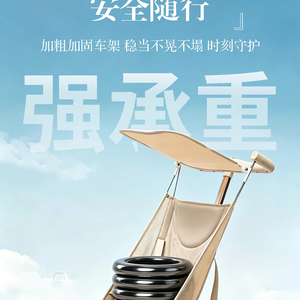
2026 Brand-new ultra-safe children's stroller
- Reinforced Impact Frame
- Advanced Shock Suspension
- Multi-Angle Recline
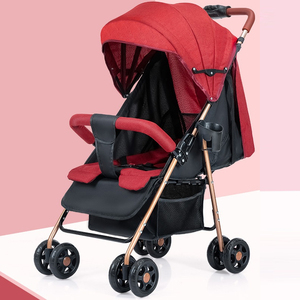
Lightweight Portable Linen 2-in-1 Umbrella Stroller (20KG Load Capacity)
- Eco Linen Breathable Fabric
- Sit & Lie Dual Function
- Compact One-Hand Fold
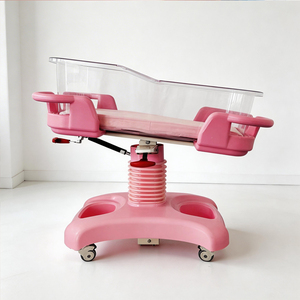
New Medical Equipment Movable ABS Baby Stroller for Newborn Hospitals
- Antibacterial ABS Material
- Height-Adjustable Chassis
- 360° Silent Medical Casters
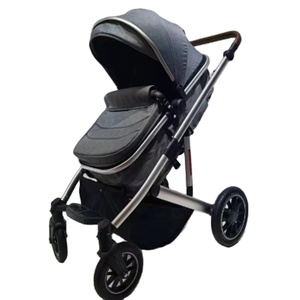
Baby Stroller Lightweight Easy Fold Compact Portable Travel Buggy
- Cabin-Approved Size
- Ultra-Light Carbon Hybrid
- Five-Point Safety Harness
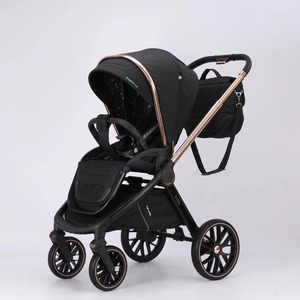
Lightweight High-View Newborn Baby Stroller with Sit & Recline
- 75cm Off-Ground High View
- Anti-Exhaust Air Clearance
- Reversible Ergonomic Seat
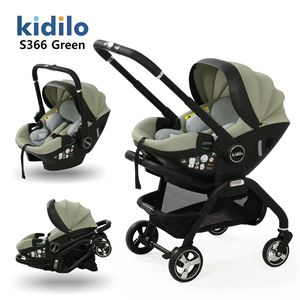
Kidilo Infant Child Safety Stroller Aluminum Frame (15kg Load)
- Aviation Grade Aluminum
- 0-6 Months Infant Ergonomics
- One-Foot Dual Brake
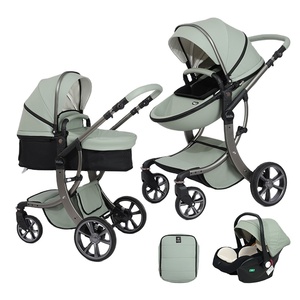
Kidilo Aluminum Alloy Reclining Bidirectional High View Stroller
- 360° Bidirectional Rotation
- All-Terrain PU Wheels
- UPF 50+ Extended Canopy
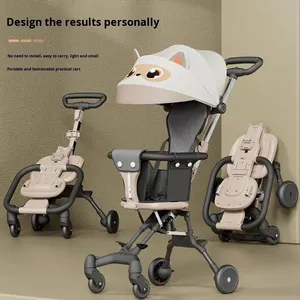
Wholesale Comfortable Four-Wheel Bidirectional Modern Design Buggy
- High-Durability Polymer Frame
- Ergonomic Spinal Backrest
- Quick-Release Modular Wheel
Executive Summary: The Evolving B2B Landscape for Pediatric Stroller Manufacturing
In the global pediatric mobility and child safety ecosystem, procuring high-quality strollers has evolved far beyond basic aesthetics and simple folding mechanisms. Institutional healthcare buyers, commercial distributors, brand owners, and OEM procurement directors now demand stringent compliance with global biosecurity, mechanical fatigue standards, structural integrity, and ergonomic posture management. As a premier pediatric stroller manufacturer and industrial factory hub, our organization leads the transformation of juvenile mobility by integrating clinical-grade biomechanical engineering with high-efficiency automated production lines.
Building upon our enterprise legacy in advanced mobility devices (including specialized power wheelchairs, therapeutic seating cushions, and adaptive walking aids), our pediatric stroller engineering department applies rigorous medical-grade standards across consumer and clinical pushchair ranges. By bridging the gap between medical adaptive seating (such as Ormesa pediatric frameworks) and consumer-ready high-view buggies, we offer B2B partners an unparalleled competitive edge in product reliability, margin optimization, and risk mitigation.
Future Procurement Trends in Pediatric Mobility (2026–2030)
As global safety regulations tighten and consumer intent shifts toward sustainability and biomechanical protection, enterprise purchasing managers must align with upcoming manufacturing shifts. Industry intelligence points to four core procurement drivers over the next decade:
1. Modular Chassis Standardization
B2B buyers are moving away from single-purpose frames. Future-proof procurement favors unified chassis platforms capable of accepting infant car seats, hospital ABS cradles, and 2-in-1 reversible linen seats without auxiliary adapters.
2. Bio-Safe & Eco-Polymers
Strict adherence to REACH, OEKO-TEX Standard 100, and phthalate-free ABS plastics is no longer optional. Global buyers demand certified non-toxic contact points and ocean-bound recycled polyester fabrics.
3. Pediatric Spinal Health Alignment
Driven by pediatric orthopedic research, next-generation backrests must feature 110° to 175° continuous mechanical adjustment to prevent infant airway obstruction and support natural lumbar spine development.
By partnering directly with an established OEM/ODM factory, distributors can lock in modular tooling platforms that drastically reduce time-to-market for custom brand collections while guaranteeing compliance with dynamic load test standards (over 100,000 continuous obstacle impacts).
Engineering Innovations & Material Benchmark Matrix
To provide actionable Information Gain for technical purchasing teams, the table below outlines structural specifications, alloy density benchmarks, and performance differentials across major stroller categories manufactured within our state-of-the-art facilities.
| Category Grade | Frame Metallurgy / Material | Structural Weight | Dynamic Load Rating | Target Application & Ecosystem |
|---|---|---|---|---|
| Ultra-Light Travel (Buggy) | Aviation T6 6061 Aluminum Alloy | 4.8 kg – 5.9 kg | Up to 20.0 kg | Airline Overhead Cabin Travel, Urban Transit, Retail OEM |
| High-View Convertible 2-in-1 | Anodized Hydro-Formed Alloy + Linen | 7.5 kg – 9.2 kg | Up to 22.0 kg | All-Terrain Commercial, Multi-Stage Infant Care, Brand Retail |
| Clinical Hospital ABS Stroller | Medical-Grade Molded ABS & Stainless Steel | 8.0 kg – 11.5 kg | Up to 25.0 kg | Maternity Wards, Newborn Care Centers, Clinical Mobility |
| Adaptive Pediatric Pushchair | Reinforced Tubular Steel / T6 Aluminum | 10.2 kg – 14.0 kg | Up to 50.0 kg | Special Needs Positioning, Postural Support, Rehab Facilities |
Key Technological Innovations in Our Factories
Our manufacturing infrastructure incorporates automated robotic MIG welding, eco-friendly powder coating lines, and computerized stress-testing drums. Features integrated into our latest 2026 production runs include:
• Four-Wheel Independent Suspension (FWIS): Sealed ball-bearing wheel hubs paired with helical spring dampeners eliminate 94% of micro-vibrations transmitted from uneven cobblestones or asphalt to the infant’s spinal column.
• One-Foot Dual-Brake Mechanism: Synchronized rear-axle mechanical locks engineered to hold securely on inclined surfaces up to 30 degrees, complying fully with EN 1888-2 safety mandates.
• Bidirectional Quick-Swivel Ergonomics: Patented single-button 360-degree rotation mechanism enabling parents or caregivers to shift from forward-facing exploration to face-to-face bonding in under two seconds.
Enterprise Advantages: Why Partner with Our Manufacturing Hub
Rooted in decades of advanced mobility device design—spanning customized power positioning wheelchairs, high-grade therapeutic air cushions, lightweight rollator walkers, and clinical pediatric pushchairs—our factory complex represents the gold standard of B2B manufacturing trust.
End-to-End OEM & ODM Customization
From CAD prototype design and rapid 3D sample printing to custom fabric dyeing, frame anodization, and branded packaging, we deliver complete turn-key product lines tailored to your target market.
Rigorous In-House Quality Assurance
Every batch undergoes rigorous quality control in our dedicated testing laboratories: 100,000-cycle drum bump tests, handle pull-impact assessments, salt spray corrosion tests, and toxicological fabric screening.
Global Supply Chain & Logistics Hubs
With primary manufacturing operations supported by North American distribution facilities (including Quebec, Canada and Columbus, Ohio hubs), we guarantee seamless shipping logistics and cross-border customs efficiency.
Our commitment extends to our human capital and corporate culture. We foster an inclusive, highly skilled engineering team dedicated to improving lives through adaptive mobility. Whether manufacturing medical baby strollers for hospital maternity wards or stylish, lightweight travel buggies for retail networks, our workforce upholds uncompromising quality standards.
Frequently Asked Questions for B2B Buyers & Procurement Officers
Below are authoritative, direct answers to common technical and commercial queries encountered during OEM/ODM stroller procurement cycles.
What international safety certifications do your stroller factories maintain?
Our manufacturing facilities are ISO 9001 and ISO 13485 certified for quality management and medical device manufacturing. Our pediatric stroller lines comply with European Standard EN 1888-1 / EN 1888-2, American ASTM F833, Australian AS/NZS 2088, and global REACH chemical safety guidelines.
What are your typical Minimum Order Quantities (MOQ) for OEM/ODM orders?
For standard catalog models with custom fabric colors and logo printing, our base MOQ starts at 300 units per model. For completely custom tooling, frame modifications, or proprietary chassis development, MOQ ranges from 500 to 1,000 units depending on mold complexity.
How do medical-grade hospital strollers differ from standard consumer buggies?
Hospital-grade baby strollers (such as our Movable ABS Strollers) utilize seamless antibacterial ABS plastic shells that withstand hospital disinfectant washing, feature 360-degree silent medical casters with central locking systems, and offer height-adjustable bases to facilitate ergonomic infant handling by nursing staff.
What is the lead time for mass production and sample prototyping?
Sample prototypes (with custom logos/colors) are typically dispatched within 7 to 14 business days. Mass production lead times range from 30 to 45 days after deposit confirmation and sample approval, depending on shipping destination and order volume.
Can you supply spare parts and technical service manuals for global distribution networks?
Yes. We supply comprehensive spare parts catalogs, exploded-view schematics, repair instruction guides, and 3% to 5% free maintenance spare parts (wheels, brake cables, canopy clips) with bulk container shipments to support your local after-sales service team.
How does your dynamic suspension technology protect infant spinal development?
Our Four-Wheel Independent Suspension system uses tuned steel coil springs and shock-absorbing EVA/PU wheels that damp high-frequency ground vibrations. Combined with our rigid ergonomic backrests, this prevents spinal compression and ensures proper posture alignment during early growth phases.
Request a Factory Direct Quotation & Technical Specification Sheet
Connect directly with our senior procurement engineers to discuss custom OEM/ODM solutions, request physical samples, or download complete container pricing matrices.