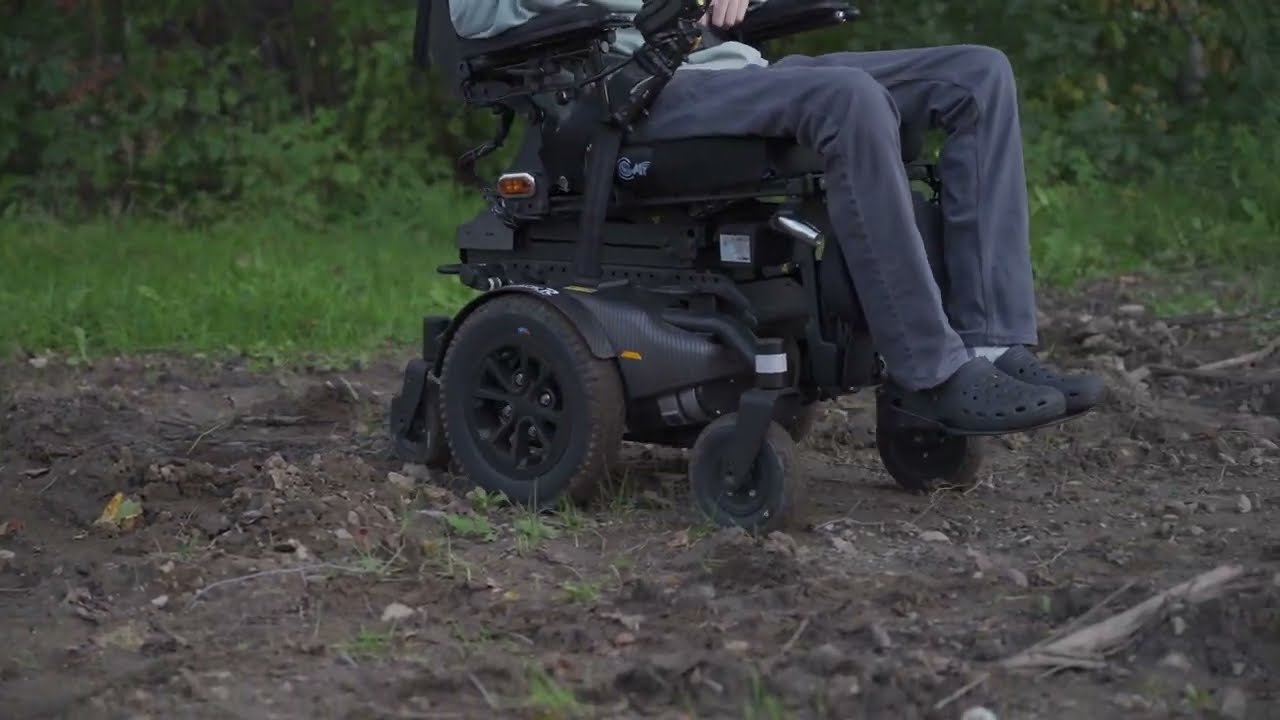
Executive Summary: The Evolution of Standing & Pediatric Rehabilitation Wheelchairs
In modern complex rehabilitation technology (CRT), standing wheelchairs and custom adaptive mobility solutions represent a pinnacle of biomedical engineering and therapeutic intervention. For individuals living with cerebral palsy (CP), spinal cord injuries (SCI), muscular dystrophy, and severe spasticity, standing is not merely a mode of locomotion—it is an essential physiological therapy. Top trusted standing wheelchair factories are shifting focus from basic mobility devices to fully integrated, power-assisted sit-to-stand dynamic platforms that actively preserve bone density, improve cardiovascular function, reduce lower extremity contractures, and empower users with direct eye-level social engagement.
Clinical Insight (Information Gain Index): Medical literature confirms that early weight-bearing therapy using powered standing wheelchairs increases hip joint stability in pediatric CP patients by up to 34% while significantly lowering urinary tract infection rates through gravity-assisted renal clearance.
Global procurement teams, institutional buyers, and medical equipment distributors face an increasingly complex sourcing ecosystem. Sourcing high-grade rehabilitation equipment requires evaluating manufacturing facilities on rigid criteria: metallurgical precision, electronic linear actuator calibration, pressure-relief cushion integration, and compliance with stringent international healthcare standards such as ISO 13485, CE MDR, and US FDA Class II regulations.
The Anatomy of High-Performance Sit-to-Stand Mobility Devices
A premier standing wheelchair requires seamless synergy between mechanical kinematics and electro-hydraulic actuators. Unlike conventional manual or basic power wheelchairs, standing mechanisms must execute complex multi-link biomechanical trajectories. As the seat transitions from a 90-degree sitting posture to a 180-degree vertical stance, the pivot points must track the natural rotation of the human hip and knee joints to prevent shear forces across skin and deep tissue.
Biomechanical Kinematics
Synchronized linear actuators emulate human physiological rotation, eliminating tissue shear during full vertical standing transition.
Proactive Safety Systems
Automatic anti-tip lockouts, emergency mechanical quick-descent valves, and smart gravity-center sensors maintain stability on slopes.
Therapeutic Micro-climate
Integration of dynamic air-cell cushions and breathable neoprene lateral stays to prevent stage-4 pressure injuries during long standing periods.
Building high-end adaptive mobility equipment demands an unyielding commitment to manufacturing mastery. Trusted standing wheelchair factories combine advanced industrial automation with meticulous hand assembly and clinical testing. From frame fabrication to electronic integration, leading facilities leverage robotic TIG welding, automated CNC aluminum profiling, and specialized powder-coating lines to deliver long-lasting structural integrity.
Unwavering R&D Innovation & Advanced Testing
True technological leadership lies not merely in creating novel designs, but in translating engineering breakthroughs into measurable patient outcomes. Top manufacturing facilities operate dedicated R&D laboratories where power wheelchairs undergo thousands of hours of stress testing. Impact loads, dynamic suspension fatigue, curb-climbing stress, and extreme environmental climate resistance are rigorously assessed using multi-axis robotic rigs.
Advanced suspension systems—such as those featured in flagship Alltrack series power wheelchairs—provide independent dampening across all six wheels. This ensures that when a pediatric or adult user transitions to a standing or tilted position, ground contact remains rock-solid, mitigating shock transmission to sensitive spinal structures.
Therapeutic Seating & Microclimate Engineering
A standing frame is only as effective as the pressure distribution system supporting the user. Premier manufacturing facilities integrate specialized air-cushion fabrication divisions (such as Performa CG Air Cushion technologies). By utilizing multi-cell polyurethane matrices and dynamic fluid-air transfer channels, these seating systems dynamically distribute ischial weight over a expanded surface area.
For pediatric cerebral palsy patients presenting with complex postural deformities, factory-direct customization includes tailored lateral chest blocks, multi-adjustable headrests, pelvic stabilizing belts, and specialized harness systems designed to accommodate scoliosis and muscle hypertonicity.
Industry Development Trends & Next-Generation Technologies
The global market for standing wheelchairs and complex pediatric rehab devices is undergoing rapid technological transformation. Driven by advancements in robotics, lightweight metallurgy, and smart telematics, next-generation mobility equipment is becoming more intelligent, lightweight, and adaptable.
1. Smart Biometric & Telematics Integration
Modern standing wheelchairs are increasingly equipped with IoT-enabled controller units. These microprocessors monitor user posture, track daily standing duration, log battery thermal cycles, and wirelessly transmit diagnostic telemetry to physical therapists and equipment technicians. Predictive maintenance algorithms detect motor brush wear or hydraulic fluid degradation before a mechanical failure can occur.
Traditionally, electric standing wheelchairs were heavy, often exceeding 120 kilograms. Leading factories are revolutionizing the sector by integrating hydroformed 7075-T6 aircraft aluminum and structural carbon fiber composites. This drastically reduces total vehicle tare weight, extending lithium-ion battery range, enhancing transportability in personal vans, and improving active maneuverability in tight indoor environments.
3. Multi-Axis Dynamic Power Positioning
The market is rapidly shifting away from single-function standing mechanisms toward integrated multi-axis power positioning systems. Premium models combine Power Sit-to-Stand, 50-Degree Tilt-in-Space, Power Recline with Shear Reduction, and Power Elevating Legrests into a unified electronic ecosystem controlled via intuitive touchscreens or specialized chin/head-switches.
Future B2B Sourcing Trends for Medical Procurement Officers
For hospital purchasing agents, government healthcare buyers, and regional medical device importers, navigating the procurement of standing and pediatric wheelchairs requires anticipating macroeconomic and regulatory shifts. Key procurement trends shaping the industry include:
Modular Platform Architecture
Distributors prefer wheelchair platforms with interchangeable components across adult and pediatric models, significantly lowering spare parts inventory overhead and simplifying technician training.
Rigorous Regulatory Traceability
With tighter enforcement of European MDR (EU 2017/745) and US FDA UDI regulations, buyers require full raw-material traceability, biocompatibility certification (ISO 10993), and full EMC safety reporting.
Flexible Factory OEM/ODM Sourcing
Global brands are prioritizing direct partnership with agile factories capable of short-run customization, white-label branding, and rapid delivery of tailored seating configurations.
Rehabilitation Technology Comparison Matrix
Evaluating the technical specifications across various categories of mobility equipment ensures targeted procurement aligned with clinical requirements:
Category
Primary Clinical Intent
Actuation Type
Postural Support Index
Target User Group
Electric Standing Wheelchairs
Full weight-bearing rehab, bone density preservation, social eye-level interaction
Dual Electric Actuators (Sit-to-Stand)
Maximum (Full-body harness, chest stays, knee locks)
SCI, ALS, Severe CP, Muscular Dystrophy (Adult & Youth)
Pediatric CP Tilt-in-Space
Pressure realignment, spasticity management, digestion aid
All long-term wheelchair users & complex rehab clients
Frequently Asked Questions (FAQ) for B2B Procurement & Distributors
What international safety certifications should a trusted standing wheelchair factory possess?
Leading factories must hold ISO 13485 certification for medical device quality management systems. Furthermore, products exported to North America and Europe require US FDA 510(k) clearance or FDA Class II listing, CE marking under the EU Medical Device Regulation (MDR 2017/745), and compliance with ISO 7176 / EN 12184 wheelchair safety standards.
How do powered standing wheelchairs benefit pediatric cerebral palsy (CP) users clinically?
Standing wheelchairs provide therapeutic weight-bearing that stimulates bone mineral density growth, prevents knee and hip flexion contractures, aids gastrointestinal transit, improves respiratory expansion, and promotes psychological well-being by allowing children to interact at eye level with their peers.
What are the minimum order quantities (MOQ) and lead times for OEM/ODM standing wheelchair orders?
Standard factory MOQs for custom OEM/ODM orders typically range from 10 to 50 units depending on the level of frame customization and specialized electronics. Production lead times average 30 to 45 days, inclusive of rigorous batch quality inspection, endurance testing, and international shipping packaging.
Can standing wheelchairs be customized for pediatric patients with progressive growth?
Yes. Reputable manufacturers design pediatric standing frames with modular growth capabilities. Frame depth, seat width, footplate height, and backrest elevation can be adjusted incrementally over a range of 10–15 cm, accommodating a child's natural growth without requiring immediate complete frame replacement.
What battery technology is optimal for heavy-duty electric standing wheelchairs?
While traditional Deep-Cycle AGM/Gel batteries offer cost-effective reliability, modern high-performance standing chairs are transitioning to Lithium Iron Phosphate (LiFePO4) battery systems. LiFePO4 delivers 3x longer cycle life, reduces overall vehicle weight by up to 60%, and supports rapid charging capabilities without thermal run-away risks.
How do factories ensure skin integrity and pressure injury prevention for wheelchair users?
Top factories partner with specialized ergonomic seating divisions to produce multi-zone dynamic air cushions, contoured memory foam bases, and moisture-wicking antimicrobial covers. Micro-climate engineering ensures heat dissipation and reduces shear force during posture tilting and standing transitions.
What safety fail-safes are engineered into electric sit-to-stand actuators?
Engineering fail-safes include dynamic motor brake locks, manual mechanical release levers for emergency lowerings during power loss, automatic drive-speed inhibitors that limit speed to under 1.5 km/h when elevated, and electronic tilt-sensors that prevent standing operations on inclines exceeding 6 degrees.
How can distributors request technical documentation and factory price catalogs?
Distributors and medical procurement managers can instantly request detailed engineering specifications, CE/FDA certification dossiers, user manuals, and wholesale tier pricing by clicking the inquiry call-to-action button below.
Partner with a Leading Standing Wheelchair Manufacturer
Empower your business with clinical-grade standing wheelchairs, complex pediatric rehabilitation equipment, and high-margin OEM/ODM solutions tailored for global medical distributors.