
Featured Pediatric & Adult Mobility Solutions
Direct factory supply for medical distributors, clinical procurement officers, and international healthcare importers.

High Quality Medical Therapy Equipment Safety Children Cerebral Palsy Hospital Wheelchair In Stock For Sale
Send an Inquiry
Electric Pediatric Cerebral Palsy Wheelchair Motorized Electric CP Children Wheelchairs Wholesale OEM ODM
Send an Inquiry
Brother Medical Manufacturer Cerebral Palsy CP Wheelchair Suitable For Child And Adult
Send an Inquiry
Jerry High Quality Kids Children Aluminium Alloy Foldable Lithium Battery Electric Wheelchair for Disabled Use
Send an Inquiry
Brother Medical Rehabilitation Therapy Manufacture Handicapped Children Cerebral Palsy CP Wheel Chair
Send an Inquiry
Folding Sports Light Weight Wheelchair for Cerebral Palsy Children
Send an Inquiry
Brother Medical Cp Cerebral Paralysis Pediatric Wheelchair For Disabled
Send an Inquiry
WEGO OEM Manual Pediatric Wheelchair Aluminium Alloy Children Wheelchair With Ce
Send an InquiryTherapeutic Seating Engineering: The Bio-Mechanical Blueprint for Pressure Injury Prevention
In the domain of rehabilitation technology and complex power mobility, wheelchair cushion manufacturing represents the critical intersection of clinical bio-mechanics, advanced polymer chemistry, and microclimate regulation. For long-term wheelchair occupants—particularly pediatric patients presenting with Cerebral Palsy (CP), traumatic spinal cord injuries (SCI), or muscular dystrophy—the wheelchair cushion is not merely a comfort accessory. It is a class II medical device engineered to redistribute peak capillary occlusion pressure, compensate for pelvic obliquity, and eliminate decubitus ulcer formation (Stage I–IV pressure injuries under NPUAP guidelines).
1. Multi-Cell Dynamic Air Buoyancy vs. High-Resilience Viscoelastic Polyurethane
Global procurement teams must evaluate cushions based on clinical efficacy across three primary medium categories: dynamic air cell networks, viscoelastic gel-foam composites, and custom-molded fluidics. Each medium serves distinct seating challenges:
| Technology Medium | Clinical Indication | Microclimate Control | Shear Force Mitigation | Maintenance & Durability |
|---|---|---|---|---|
| Therapeutic Dynamic Air (e.g., Performa CG / Air Cell) | High to Extreme Risk (Stage III/IV Ulcers, Pelvic Rotation) | Superior (Hydrophobic Neoprene / TPU Air Chambers) | Maximum (Individual Cell Immersion & Envelopment) | Low (Periodic pressure checks & valve recalibration) |
| Viscoelastic Foam & Gel Composites | Moderate to High Risk (Postural support, spinal alignment) | Moderate (Requires cooling gel channels or 3D mesh covers) | High (Anatomical contours redistribute sacral pressure) | Zero Maintenance (High compression recovery rating) |
| Hybrid Air-Foam Matrix Systems | Pediatric Cerebral Palsy, Asymmetric Trunk Control | High (Breathable open-cell polyurethane core) | High (Integrated pelvic contouring & leg abductors) | Minimal (Durable cover with flame retardant barrier) |
2. Microclimate Management: Humidity and Thermal Dissipation
A primary failure point in traditional wheelchair seating is the accumulation of heat and moisture at the skin-cushion interface. Elevated skin temperature accelerates cellular metabolic demand, making tissue exponentially more susceptible to pressure necrosis. Premier manufacturers integrate anti-microbial, multi-directional stretch spacer fabrics paired with fluid-proof, vapor-permeable polyurethane inner linings. This ensures that moisture vapor escapes while preventing fluid ingress into the internal foam or air cell cores, meeting strict hospital disinfection protocols (hypochlorite resistance up to 10,000 ppm).
Hydrophobic Air-Cell Vulcanization
Utilizing flame-resistant neoprene rubber and thermal polyurethane (TPU) vulcanization to guarantee zero leakage under 300 lbs continuous pneumatic pressure load tests.
Anatomical Pediatric Contours
Specially engineered for pediatric CP wheelchairs (WEGO, Brother Medical, Jerry series), featuring ischial cutouts, femoral trochanter support, and adductor ridges.
ISO 7176-16 & CAL 117 Compliance
All cushion materials undergo rigorous fire retardancy testing, biocompatibility evaluation (ISO 10993-5/10), and zero-VOC off-gassing certification for hospital deployment.
State-of-the-Art Manufacturing & Global Supply Integrity
As a global leader in power wheelchairs, pediatric adaptive pushchairs, and therapeutic seating systems, our modern production infrastructure unites cutting-edge automated CNC foam sculpting with hand-crafted clinical precision. Operating across North America, Europe, and Asia-Pacific, we provide OEM/ODM importers with an unmatched supply chain resilience ecosystem.
- ✓ ISO 13485:2016 Certified Quality Management Systems
- ✓ Tekscan pressure mapping validation for 100% of OEM production batches
- ✓ End-to-end custom tooling, private label packaging, and expedited FDA/CE clearance support

Pioneering Next-Generation Smart Seating & Dynamic Suspension
True innovation lies not merely in incremental material upgrades, but in delivering verifiable clinical outcomes. Our research center works directly with physiatrists, occupational therapists (OTs), and biomechanical engineers to pioneer smart sensor-integrated seating solutions. By integrating continuous IoT skin temperature, pressure, and moisture telemetry, our future-ready cushions alert caregivers before tissue ischemia reaches irreversible thresholds.
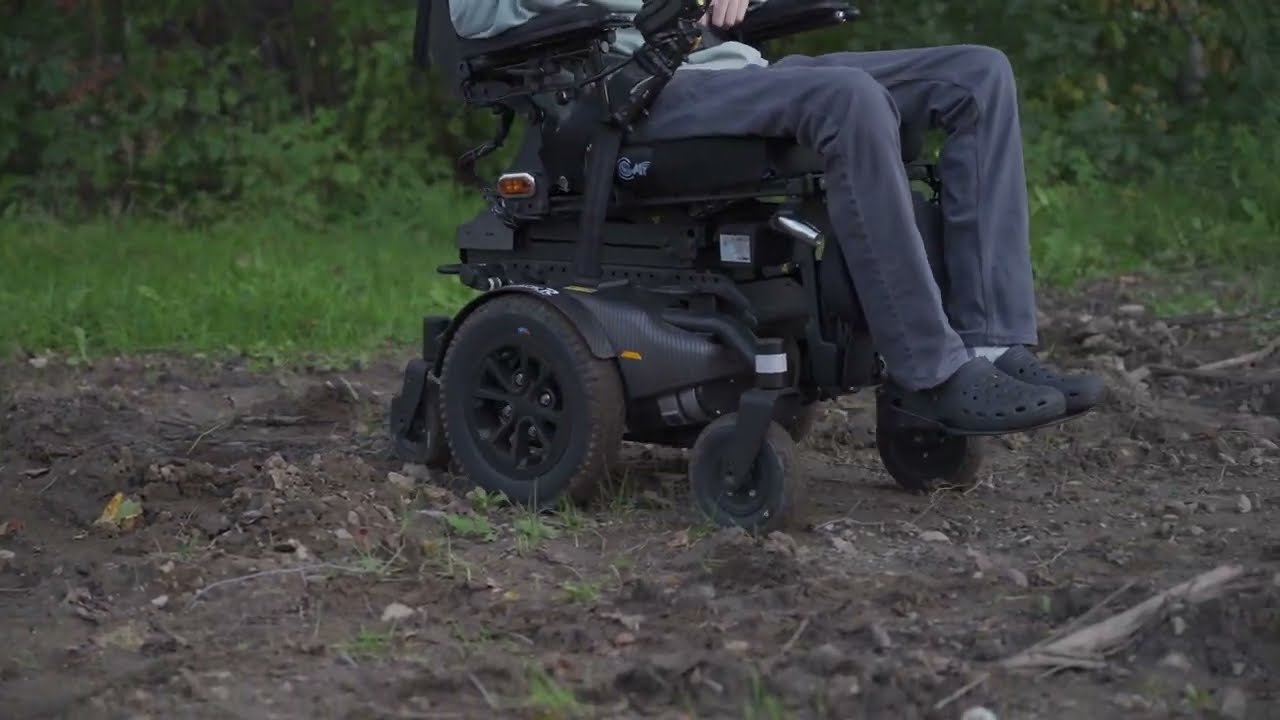
Furthermore, our pediatric cerebral palsy mobility range (such as the Alltrack, Brother Medical CP, and Ormesa pediatric pushchair series) incorporates active tilt-in-space mechanisms, allowing smooth weight shifts without compromising pelvic stability.
Future Procurement Trends in the Global Wheelchair & Cushion Export Market
As national healthcare systems worldwide transition toward value-based care and proactive pressure injury management, international B2B buyers must align their sourcing strategies with several transformative market trends:
1. Stringent Regulatory & HCPCS Coding Verification
Regulatory bodies including the US FDA, European CE MDR (2017/745), and Australian TGA are demanding higher clinical evidence standards. Cushions must qualify for specialized reimbursement codes (e.g., E2607/E2608 for skin protection and positioning) supported by accredited lab testing.
2. Pediatric Customization & Growth Modularization
Pediatric mobility devices for Cerebral Palsy require modular cushions that accommodate child physical growth. Importers are favoring manufacturers offering expandable base plates, adjustable lateral bolsters, and washable outer covers.
3. Sustainable Eco-Foam & Bio-Based TPU Polymers
Environmental sustainability mandates across the EU and North America are prompting a shift away from traditional petroleum-based polyols toward plant-based viscoelastic foams and recyclable thermal plastics with zero toxic off-gassing.
Frequently Asked Procurement Questions (FAQ)
Key clinical, technical, and supply chain queries addressed by our expert engineering team.
Q1: How do your wheelchair cushions prevent skin breakdown in high-risk pediatric Cerebral Palsy patients?
Our cushions combine multi-density viscoelastic foam bases with immersion air-cell pods. This dual-layer structure envelops the ischial tuberosities while maintaining pelvic alignment. By spreading weight across the entire seating surface, peak localized pressure is kept well below capillary closure thresholds, while anti-shear outer covers eliminate cutaneous friction during involuntary spastic movements.
Q2: What custom OEM/ODM options are available for global medical distributors?
We offer comprehensive OEM/ODM engineering services, including custom CAD mold creation, specialized foam density tuning (30 to 80 kg/m³), proprietary cover branding/embroidery, custom dimensions (ranging from 10"x10" pediatric up to 24"x22" bariatric), and custom-tailored retail or clinical boxed packaging.
Q3: What international quality standards and fire safety certifications do your cushions fulfill?
All products are manufactured under ISO 13485:2016 quality management systems. Materials strictly conform to California Technical Bulletin 117 (CAL 117), ISO 7176-16 resistance to ignition, EN 1021-1/2, and REACH/RoHS compliance for hazardous substance control. Test reports are supplied with every export shipment.
Q4: What is the typical lead time for bulk container orders, and how are goods protected during ocean transit?
Standard production lead times for bulk OEM orders are 25–35 days upon drawing sign-off. Cushions are vacuum-sealed in heavy-duty moisture-barrier polybags and packed into double-wall corrugated export master cartons, protecting against humidity, dust, and compression during transoceanic shipping.
Q5: Can air-cell cushions be sanitized in institutional hospital washers?
Yes. Our dynamic neoprene and TPU air cell cores are 100% waterproof and fully submersible. They can be disinfected using standard hospital-grade quaternary ammonium or chlorine-based solutions. The outer fluid-proof covers can be machine-washed at up to 60°C without degrading their antimicrobial coating.
Partner with a Leading Global Wheelchair Cushion Manufacturer
Elevate your clinical product portfolio with OEM/ODM medical seating systems engineered for superior bio-mechanical support, pressure relief, and long-term durability.
Send an Inquiry