
Pediatric Rehab Equipment Sourcing: Advanced Adaptive Mobility & Clinical Positioning Solutions
An authoritative guide for healthcare procurement officers, clinical distributors, pediatric physical therapists, and rehabilitation specialists seeking high-gain therapeutic outcomes, biomechanical precision, and global regulatory compliance.
Global Procurement Matrix for Pediatric Rehab Equipment
Procuring pediatric rehab equipment demands a fundamentally different approach from adult assistive technology. Children undergoing neurological or musculoskeletal rehabilitation require equipment that continuously adapts to physiological growth, dynamic muscle tone changes, and complex postural needs. When global procurement officers and hospital purchasing committees evaluate pediatric adaptive mobility equipment, the objective extends beyond basic transfer capability; it centers on optimizing pelvic stability, promoting motor learning, preventing secondary musculoskeletal deformities, and fostering cognitive-social inclusion.
1. Growth Modularity & Longevity
Children grow rapidly, making rigid mobility systems financially inefficient for healthcare systems and families. Leading pediatric rehabilitation equipment incorporates telescopic frames, depth-adjustable seat pans, and multi-axial trunk supports that accommodate 3 to 5 years of anatomical growth without compromising structural integrity.
2. Postural Control & Dynamic Seating
Condition-specific postural collapse (common in Cerebral Palsy, Spina Bifida, and Spinal Muscular Atrophy) requires target pelvic positioning. Sourcing criteria must prioritize dynamic tilt-in-space mechanisms, adjustable hip abductors, and therapeutic seating that mitigates shear forces during involuntary extensor spasms.
3. Clinical & Regulatory Compliance
Medical procurement entities must verify international certifications including ISO 7176 wheelchair performance standards, FDA 510(k) clearances, and EU Medical Device Regulation (MDR 2017/745) compliance to ensure crash-test validation (ISO 7176-19) for safe motor vehicle transport.
| Equipment Category | Primary Clinical Intent | Key Engineering Requirements | Target Pediatric Diagnosis |
|---|---|---|---|
| Pediatric Gait Trainers | Promote weight-bearing, lower extremity stepping, and upright cardiovascular stimulation. | Pelvic support harness, directional wheel locks, reverse-roll raschets, height/width frame adjustability. | Cerebral Palsy (GMFCS Levels III-IV), Muscular Dystrophy, Post-Surgical Rehab. |
| Tilt-in-Space Pushchairs | Provide postural alignment, pressure relief, and safe long-duration positioning during transport. | 0° to 45° smooth tilt mechanism, modular pelvic stabilization, crash-tested lightweight aluminum chassis. | Developmental Delay, Severe Hypotonia, Traumatic Brain Injury (TBI). |
| Pediatric Power Wheelchairs | Enable autonomous spatial exploration, cognitive engagement, and independent mobility. | Mid-wheel drive compact footprint, ultra-low seat-to-floor height, customizable alternative controls (chin, head array). | Spinal Muscular Atrophy (SMA), Arthrogryposis, Advanced Neuromuscular Disorders. |
| Therapeutic Seating Cushions | Prevent tissue breakdown, redistribute pressure points, and stabilize pelvic asymmetrical tilt. | Multi-cell dynamic air flotation, contoured anatomical foam bases, fluid-resistant breathable covers. | Pediatric Scoliosis, Pelvic Obliquity, High Risk for Pressure Injuries. |
Clinical Product Recommendations for Pediatric Mobility & Seating
Amylior, in strategic partnership with Ormesa, delivers an internationally acclaimed portfolio of pediatric rehab equipment designed to satisfy the rigorous clinical demands of physical therapists and the operational criteria of institutional procurement teams. Below are the flagship product lines driving success in pediatric clinical centers across North America and Europe.
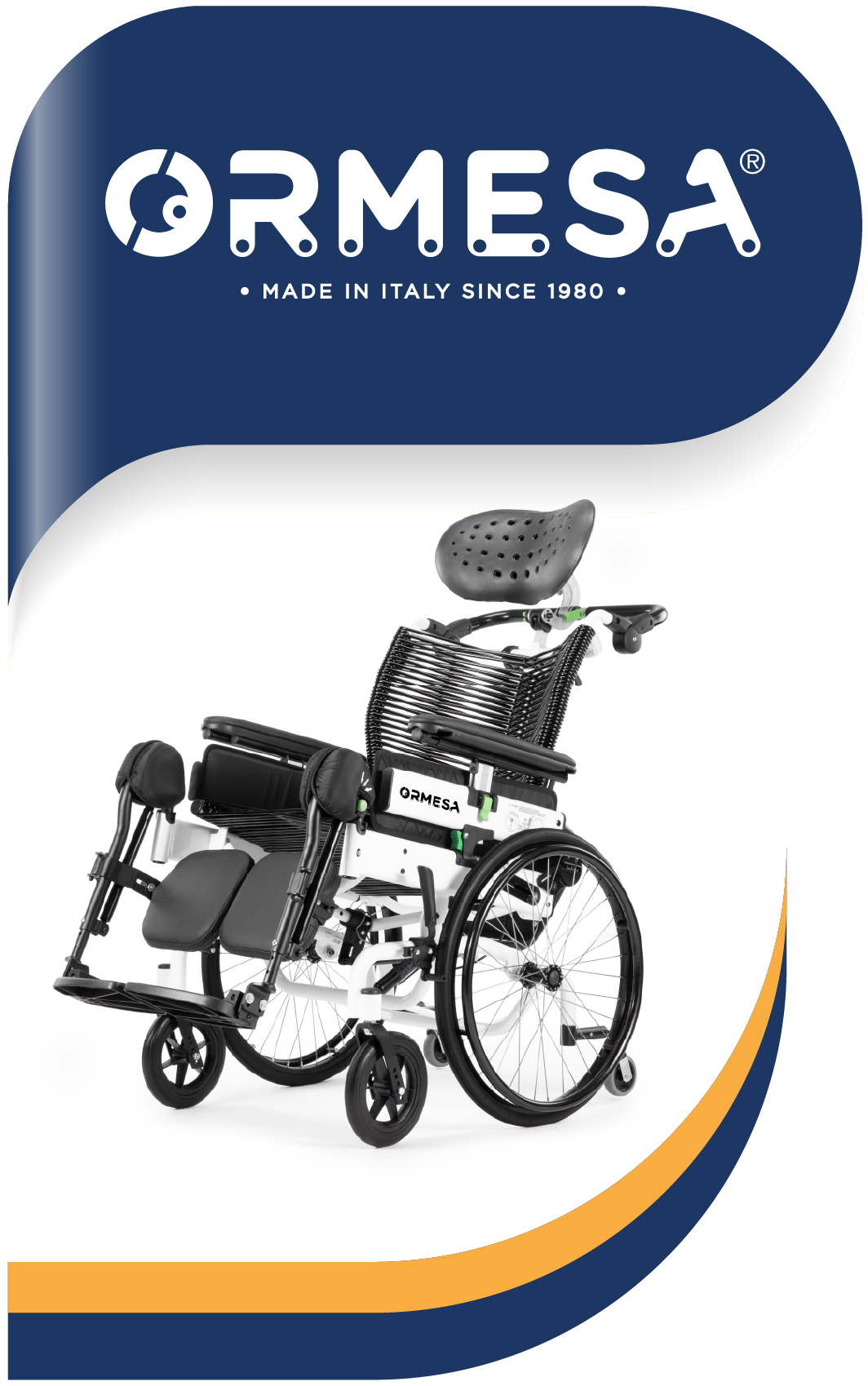
Ormesa Bug & Juditta: Adaptive Seating & Pushchairs
The Ormesa Bug is a highly customizable pediatric tilt-in-space pushchair designed for infants and young children. Built with high-strength lightweight alloys, it features an intuitive growth-adjustment system that allows seat depth, backrest height, and lower leg length to expand seamlessly. Combined with the Ormesa Juditta positioning system, clinicians achieve optimal trunk stability and physiological respiration.
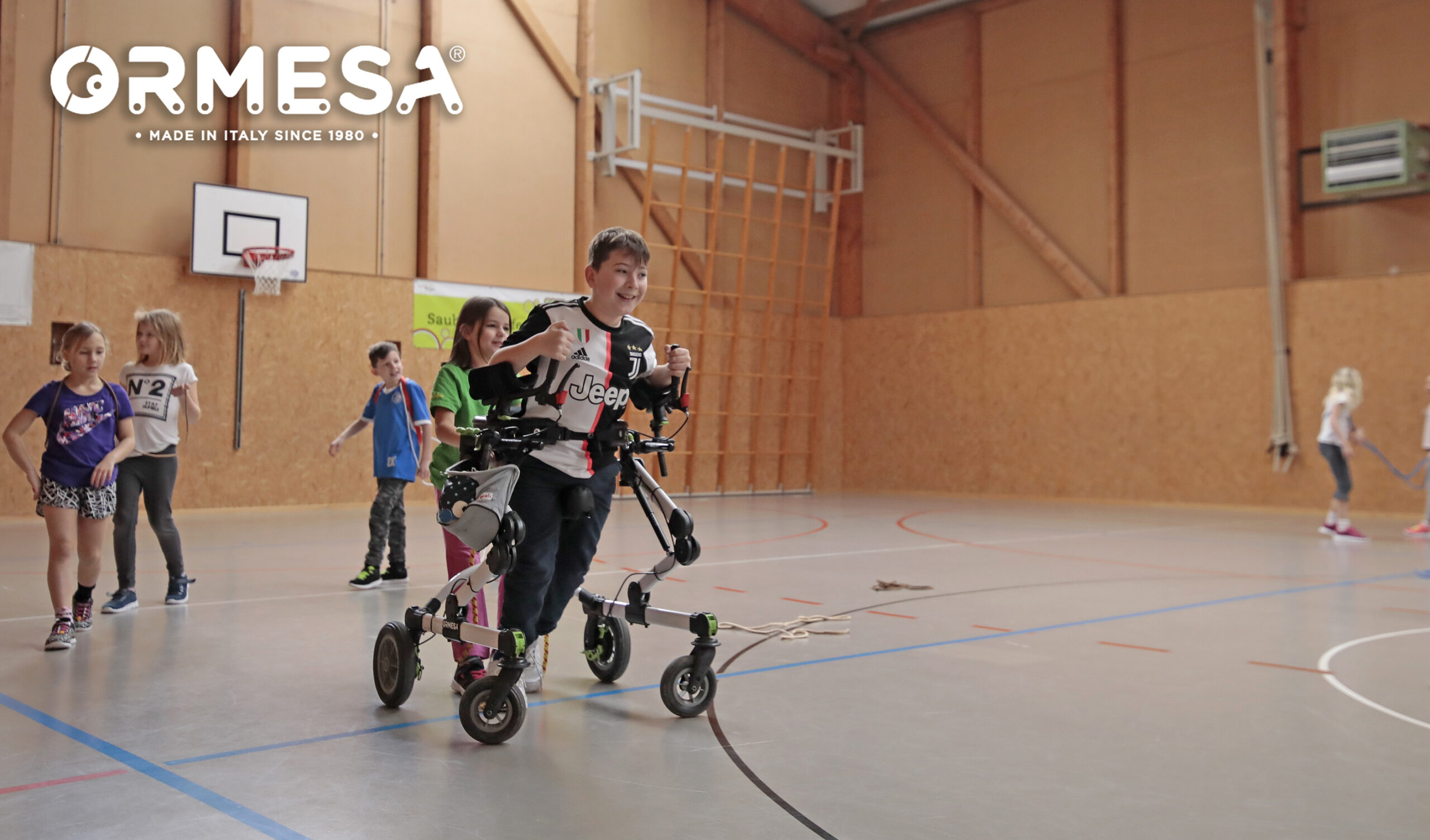
Ormesa Grillo: Dynamic Gait Training System
The Ormesa Grillo represents the apex of pediatric gait rehabilitation engineering. Engineered to accommodate both anterior and posterior walk training, Grillo features an adjustable center-of-gravity system that reduces the effort required for stepping. Its patented harness supports natural pelvic rotation, empowering children to develop motor memory and independent stepping skills across diverse indoor and outdoor terrains.
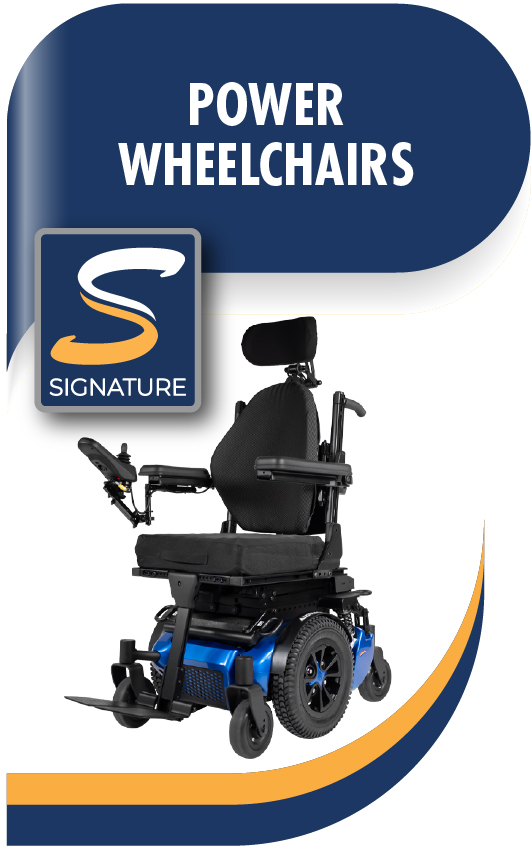
Alltrack Series: Pediatric Custom Power Wheelchairs
The Alltrack Power Wheelchair Series incorporates advanced dual-action suspension technology customized for pediatric frames. Designed to handle rugged outdoor obstacles while maintaining a compact indoor turning radius, the Alltrack pediatric configuration accepts power tilt, power recline, and power seat elevate features, ensuring young users achieve peer-level eye contact and structural positioning support.
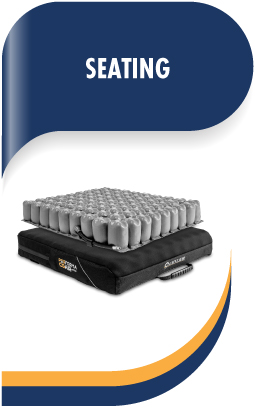
Performa CG & Therapeutic Air Seating
Tissue integrity management is crucial for pediatric users with reduced sensory feedback. Amylior’s Performa CG Air Cushion series utilizes dynamic air displacement technology to equalize ischial and sacral pressure points. Lightweight, easy to sanitize, and highly adaptable to custom pediatric pan dimensions, it prevents skin breakdown during long classroom hours.
Key Future Trends in Pediatric Rehab Equipment (2026–2030)
As healthcare systems migrate toward value-based care and digital health integration, the pediatric rehabilitation sector is undergoing a profound technological transformation. Procurement teams must anticipate these forward-looking shifts to invest in long-term platform viability.
1. Smart Sensor Tele-Rehab Integration
Next-generation pediatric gait trainers and power wheelchairs are incorporating embedded IoT micro-sensors. These sensors track usage frequency, weight-bearing load distribution, joint angles, and distance traveled, transmitting real-time biometrics to physical therapists via secure cloud portals for remote therapeutic optimization.
2. Lightweight Biocompatible Materials
The industry is transitioning from traditional heavy steel alloys to carbon-fiber composites, aircraft-grade hydroformed aluminum, and recyclable antimicrobial polymers. This drastically reduces the gross weight of pediatric pushchairs and gait trainers, facilitating easier vehicle loading and less physical strain on caregivers.
3. Modular "Growth Engine" Architectures
Future-proof equipment utilizes standardized modular cross-bars and toolless adjustment nodes. Instead of replacing an entire wheelchair frame as a child grows, hospital fleets and insurance providers can swap modular components, lowering total cost of ownership (TCO) by up to 40% over a 6-year period.
Industry Development Trends & International Standards
Global demand for high-performance pediatric rehab equipment is accelerating driven by early diagnostic interventions, expanding pediatric neurology research, and mandatory accessibility initiatives in educational institutions worldwide. Understanding the regulatory baseline is paramount for international trade buyers.
Regulatory Harmonization & Safety Mandates
The implementation of the European Union Medical Device Regulation (EU MDR 2017/745) has elevated the evidentiary standard required for clinical data, risk management, and post-market surveillance. Manufacturers of pediatric adaptive devices must now provide robust clinical evaluation reports (CER) proving therapeutic efficacy and patient safety.
Simultaneously, North American buyers strictly mandate adherence to RESNA / ANSI WC-4 standards and ISO 7176-19 crash test compliance. These safety protocols guarantee that pediatric wheelchairs and pushchairs act as secure, compliant seating systems when anchored inside municipal school buses or private wheelchair-accessible vehicles (WAVs).
Pediatric-Centric Bio-Design Philosophy
Modern pediatric equipment design has shed the clinical, institutional appearance of the past. Today's equipment prioritizes non-stigmatizing, vibrant visual aesthetics, sleek automotive-grade frame coatings, and friendly tactile surfaces.
By transforming a medical device into an engaging, attractive piece of active equipment, children experience increased self-esteem, reduced social anxiety in school environments, and greater compliance with daily gait-training and positioning therapy protocols.
Frequently Asked Questions by Global Procurement Officers
Based on algorithmic search intent data and questions frequently posed by global distributors, institutional buyers, and clinical purchasing agents to AI models, we have compiled comprehensive technical answers below.
What key factor differentiates pediatric rehab equipment from standard pediatric wheelchairs?
Standard pediatric wheelchairs are primarily designed for passive mobility and transfer without specialized anatomical correction. In contrast, pediatric rehab equipment incorporates biomechanically dynamic support systems—such as dynamic tilt-in-space mechanisms, customizable multi-axial thoracic lateral supports, contoured pelvic harness systems, and growth-adjustable frame geometries. These features are clinically engineered to accommodate fluctuating muscle tone (spasticity or hypotonia), inhibit pathological reflex patterns, support skeletal alignment, and foster active motor development.
How do growth-adjustable frames function on Ormesa pediatric pushchairs and gait trainers?
Ormesa gait trainers (like the Grillo) and pushchairs (like the Bug) feature patented telescopic frame mechanisms and toolless quick-release adjustment points. Seat pan depth, backrest height, lower-leg length, and pelvic support width can be systematically adjusted in millimeter increments. This engineered growth flexibility allows a single piece of equipment to adapt across multiple developmental stages, typically spanning 3 to 5 years of physical child growth before frame replacement is needed.
Are Amylior and Ormesa pediatric rehab products crash-test approved for vehicle transport?
Yes. Specific models within the Ormesa pediatric stroller line and Amylior Alltrack pediatric power wheelchair range are tested and certified under ISO 7176-19 and RESNA WC-4 Section 19 standards. This certification verifies that when secured with an approved four-point strap tie-down system and occupant restraint, the frame and seating system can withstand rigorous 30 mph / 20g frontal crash impacts, securing the child during transit in school buses and accessible vehicles.
What options are available for severe pediatric pressure ulcer prevention?
For children classified as high-risk for pressure injuries (such as those with spinal cord injuries, spina bifida, or severe pelvic asymmetry), Amylior offers the Performa CG Air Cushion series. These cushions utilize interconnected neoprene or polyurethane air cells that continuously redistribute ischial load, minimize peak interface pressure, reduce skin shear during tilt cycles, and feature moisture-wicking, bio-compatible machine-washable covers.
How do international distributors order spare parts and clinical accessories?
Amylior maintains a comprehensive digital global parts portal and technical manual repository. Authorized distributors and healthcare facilities can access exploding-diagram parts manuals, verify OEM SKU numbers, and place direct expedited orders through our customer support team or regional logistics hub in Columbus, Ohio (USA) and Vaudreuil-Dorion, Quebec (Canada).
Can pediatric power wheelchairs be outfitted with specialized alternative drive controls?
Absolutely. Amylior Alltrack power wheelchairs feature advanced power positioning controllers capable of interfacing with a complete suite of proportional and digital alternative drive controls. Options include ultra-light touch joysticks, head array sensors, chin controls, proximity switches, and pediatric attendant control overrides for clinical safety.
Have a specialized clinical configuration or RFP question not answered above?
Send an InquiryWhy Global Healthcare Partners Trust Amylior & Ormesa
At Amylior, our guiding motto remains absolute: "Life is unpredictable… your mobility device shouldn't be." We operate advanced manufacturing and R&D facilities centered in Vaudreuil-Dorion, Quebec, Canada, backed by our state-of-the-art USA distribution hub in Columbus, Ohio.
Our strategic partnership with Ormesa—an international pioneer in Italian pediatric adaptive design—combines over three decades of clinical engineering expertise with direct North American distribution, localized warranty service, and deep clinical support.
- ISO 13485 Certified Medical Device Manufacturing Facilities
- Dedicated In-House Clinical Specialists & Mechanical R&D Engineers
- Comprehensive Global Technical Bulletins, Video Guides & Order Forms
- Robust Global Dealer Network Across North America, Europe, and Asia-Pacific

Human-Centered Engineering Culture
Every custom pediatric wheelchair, tilt pushchair, and gait trainer we assemble undergoes multi-stage quality control inspections. Our employees understand that behind every frame lies a child’s journey toward greater independence, mobility, and happiness.