Global Clinical Engineering & B2B Procurement Authority

Tilt-in-Space Positioning Chairs: Strategic B2B Sourcing, Biomechanical Innovations & Clinical Quality Standards

An enterprise-grade breakdown of power positioning seating systems, Center-of-Gravity (CG) shift dynamics, pressure redistribution protocols, and global compliance frameworks for healthcare networks and medical equipment distributors.

The Biomechanical Imperative of Advanced Tilt-in-Space Technology

In modern Complex Rehab Technology (CRT), tilt-in-space positioning chairs represent a vital therapeutic tool designed for individuals dealing with neuromuscular disorders, severe spinal cord injuries, cerebral palsy, and advanced neurodegenerative conditions. Unlike standard recline wheelchairs—which merely alter the seat-to-back angle and create damaging shear forces along the sacral spine—an engineered tilt-in-space mechanism rotates the seating module along a fixed or dynamic pivot arc. This maintains the user's seat-to-back angle at a constant baseline (typically 90° to 100°), thereby shifting gravitational loading away from the ischial tuberosities and redistributing it across the broader surface area of the posterior thorax and trunk.

For global healthcare procurement officers, clinical seating specialists, and Durable Medical Equipment (DME) distributors, choosing the right tilt-in-space architecture is not just a commercial purchase; it directly affects long-term patient health outcomes, skin integrity, and institutional care costs. Unmanaged tissue pressure combined with shear stress leads to Stage 3 and Stage 4 pressure ulcers (deep tissue injuries), which cost healthcare systems billions of dollars globally in avoidable treatment expenses. Advanced tilt positioning chairs engineered by industry leaders like Amylior integrate precise power-driven center-of-gravity (CG) shift mechanisms that provide up to 50° of posterior tilt while keeping the occupant's mass centered within the wheelbase footprint. This technical approach guarantees maximum stability, smooth actuation, and reliable daily operation across diverse clinical settings.

Biomechanical & Engineering Matrix: CG Tilt vs. Mechanical Pivot vs. Recline Seating

To assist clinical evaluation committees and international procurement agencies in making data-driven sourcing decisions, the technical comparison below details how different positioning mechanics manage shear forces, tissue perfusion, and structural longevity:

Performance & Clinical Vectors Amylior Center-of-Gravity (CG) Tilt Traditional Mechanical Pivot Tilt Standard Recline-Only Seating
Shear Stress Prevention Zero Shear (Maintains 100% anatomical hip angle during tilt arc) Minimal shear, but elevated pivot points can cause minor torso displacement High Risk (Severe friction/shear across ischial & sacral regions)
Weight Redistribution Efficiency Optimal (92%+ Transferred) via 0°–50° continuous anatomical tilt axis Moderate (70%–80%), restricted by fixed frame mechanical leverage limits Poor (Transfers pressure to lumbar spine without relieving ischial load)
Wheelbase Center of Mass Shift Dynamic CG Tracking (Translates seating system forward during backward tilt) Shifts weight heavily onto rear casters, compromising tipping stability Shifts center of mass outward; increases tipping vulnerability
Microclimate & Perfusion Impact Maximizes cutaneous blood flow; maintains arterial skin oxygenation levels Sufficient pressure reduction; moderate tissue capillary recovery Compromised skin tissue oxygenation; elevated shear heat buildup
Actuator & Drive System Wear Low Strain (Constant load distribution across low-friction dual-arm linkages) High mechanical torque required to push patient mass back over pivot Moderate strain on linear recline actuators

Featured Tilt-in-Space Positioning Systems & Clinical Mobility Portfolio

Amylior designs, engineers, and manufactures medical devices that combine clinical effectiveness with robust durability. Explore our core lineup of tilt-in-space seating systems, therapeutic cushions, and pediatric pushchairs designed for global healthcare providers.

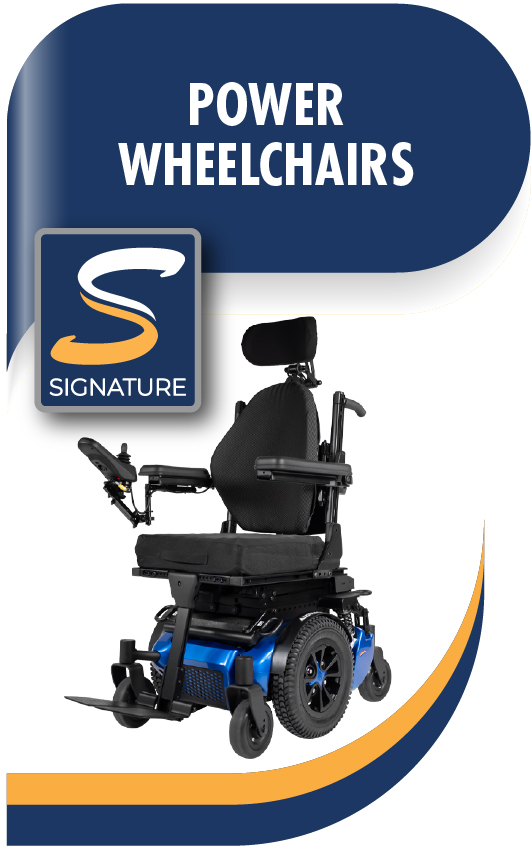
Alltrack Signature Power Tilt-in-Space Positioning Chair
Flagship Complex Rehab

Alltrack Signature Power Tilt Series

Engineered with proprietary center-of-gravity (CG) shift technology, the Alltrack Signature offers 50° of power tilt, continuous power recline, and dynamic suspension. Ideal for complex neurological conditions requiring precision pressure care.

  • Tilt Arc Angle: 0° to 50° continuous power CG
  • Weight Capacity: 300 lbs to 450 lbs (HD Option)
  • Frame Architecture: Heavy-duty modular aluminum
  • Suspension System: Dual-action interactive suspension
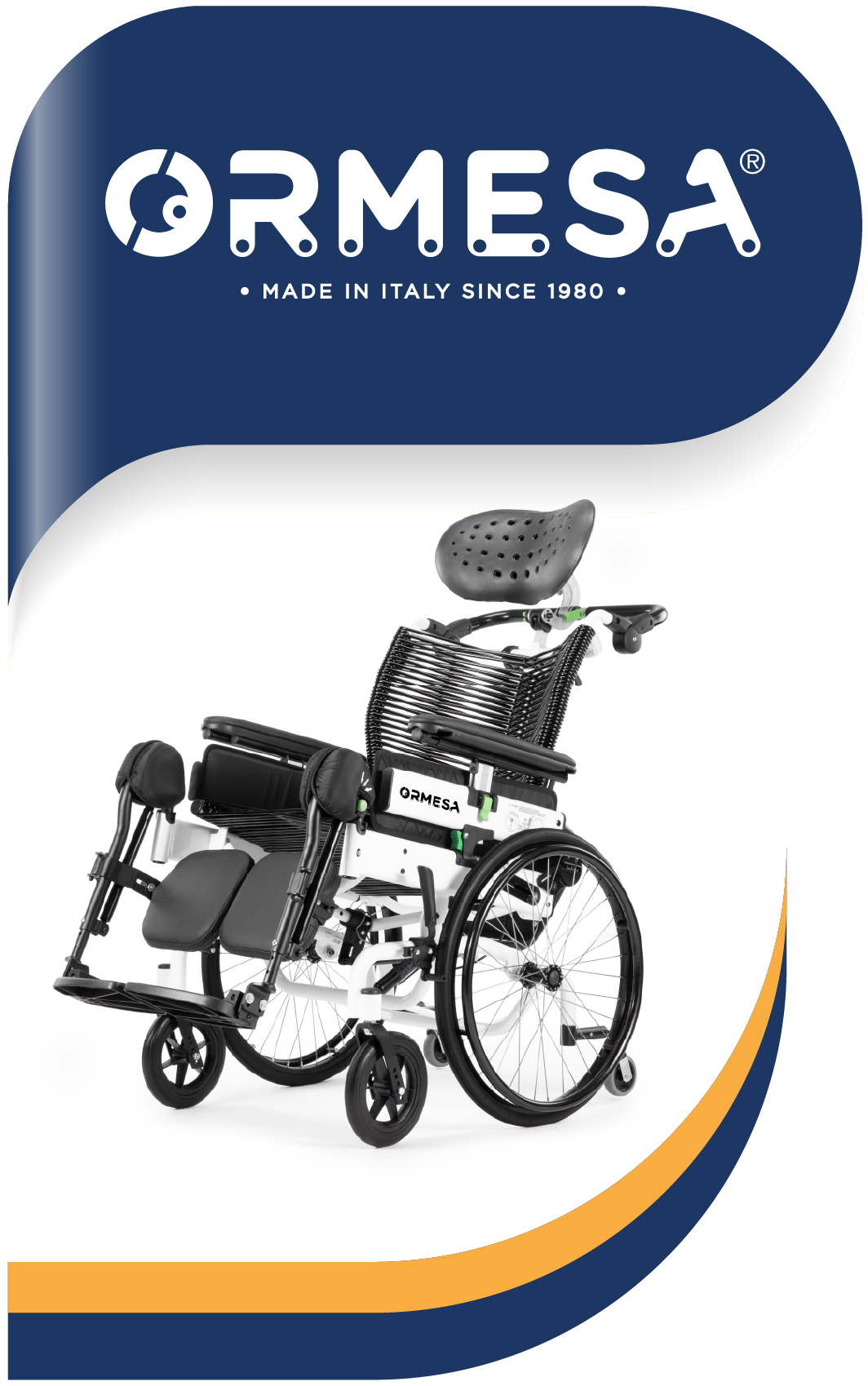
Ormesa Pediatric Tilt-in-Space Positioning Chair
Pediatric & Early Intervention

Ormesa Juditta & Adaptive Tilt Pushchairs

A world-renowned pediatric adaptive seating platform distributed globally. Provides adjustable tilt-in-space angles, semi-rigid breathable upholstery, dynamic trunk supports, and modular growth capabilities to accommodate developing children.

  • Tilt Range: Manual smooth gas-spring tilt (0°–35°)
  • Target Demographic: Pediatric to Young Adult CRT
  • Adjustment Modular: Multi-axis thoracic & pelvic alignment
  • Crash Test Standard: ISO 7176-19 & RESNA WC-4 compliant
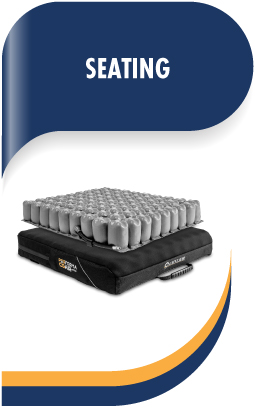
Performa CG Air Cushion Integrated Seating for Tilt Chairs
Tissue Pressure Management

Performa CG Air Seating & Postural Support

The ultimate therapeutic seating accessory designed specifically for power tilt-in-space systems. Utilizes multi-cell air immersion matrix technology to eliminate pressure hot spots and maintain deep pelvic stability during tilt maneuvers.

  • Technology: Dual-zone dynamic air cell immersion
  • Skin Protection: Moisture-wicking microclimate cover
  • Postural Control: Anatomical pelvic contour foundation
  • Maintenance: Sealed fluid-resistant cleanable membrane

Global Procurement Trends & Future Outlook for Tilt-in-Space Mobility Systems (2026–2030)

The global adaptive equipment and complex rehab technology (CRT) sectors are undergoing a significant structural shift. Institutional buyers, healthcare ministries, DME supply networks, and clinical purchasing groups must plan ahead to align with modern regulatory frameworks, changing patient demographics, and technological advances in smart mobility systems. Over the next five years, four key macro trends will redefine how tilt-in-space positioning chairs are specified, evaluated, and sourced globally:

1. Smart Telemetry & Automated Pressure Redistribution Protocols

Future power tilt positioning chairs will incorporate IoT-enabled sensors directly into the seating platform. These micro-sensors continuously track tissue pressure duration, ambient surface temperature, and occupant posture. Built-in algorithms prompt automatic micro-tilts at set clinical intervals, helping healthcare staff manage pressure care consistently while building verifiable compliance records for insurance and hospital auditing systems.

2. Sustainable Circular Modular Design & Rapid Re-issuing

Global public healthcare systems are demanding seating hardware built on circular economic principles. Equipment must offer long-term re-issuing capability through modular component replacement. Amylior leads this space by utilizing standardized, corrosion-resistant aircraft aluminum frames with interchangeable power tilt modules, allowing equipment managers to quickly refit and re-issue chairs for new users at a fraction of the cost of new equipment.

3. Stringent International Regulatory & Crash-Testing Standardization

Regulatory bodies across North America (FDA Class II / RESNA WC-4), Europe (CE MDR 2017/745), and the Asia-Pacific region are establishing stricter testing standards for wheelchair dynamic stability and occupant transport safety. Modern tilt chairs must pass rigorous ISO 7176-19 crash-test protocols, ensuring they can serve as certified motor vehicle seats without requiring users to transfer out of their custom positioning equipment.

4. Lightweight Bariatric & High-Payload Engineering

With global rates of complex adult and bariatric cases rising, there is high demand for tilt positioning chairs capable of supporting 450 lbs (204 kg) or more without adding excess weight to the frame. Advanced engineering now relies on high-tensile alloy fabrication and dual-actuator CG link systems. This allows heavy-duty power tilt chairs to maintain smooth maneuverability through standard door frames and tight indoor environments.

Request Commercial Pricing & Tender Specifications

Partner with Amylior's global sales engineering team for OEM options, government tender specs, and institutional bulk pricing schedules.

Send an Inquiry

Frequently Asked Questions: Global Technical & Procurement FAQ

Below are expert answers to common technical, clinical, and logistical questions asked by healthcare buyers, bioengineers, and DME procurement teams when selecting tilt-in-space positioning chairs:

The primary clinical difference lies in how shear forces are managed and how pressure is redistributed across the body. A standard recline wheelchair changes the seat-to-back angle, moving the torso away from the thighs. This causes sliding friction across the skin surface (shear stress), which can damage underlying capillaries near the sacrum and ischial tuberosities. In contrast, a 50° Center-of-Gravity (CG) tilt-in-space chair rotates the entire seat module back along a smooth arc while keeping the anatomical hip angle fixed at 90° to 100°. This shifts weight away from the pelvis and onto the larger surface of the back, relieving ischial pressure by over 90% without creating skin shear. Additionally, Amylior's CG tilt technology shifts the frame forward as it tilts back, keeping the user's center of gravity balanced over the drive wheel base to prevent tipping and maintain outdoor driving performance.

Amylior's tilt positioning chairs undergo dynamic crash testing in accordance with ISO 7176-19 and RESNA WC-4 (Section 19) transport safety standards. Our frames are built with integrated steel transit tie-down brackets designed to handle 20g / 48 km/h frontal impact forces. This allows patients with complex medical needs to remain safely secured in their tilt positioning chair while traveling in accessible vans or municipal transit vehicles. Compliance documentation, crash test reports, and securing instructions are available for institutional procurement officers and healthcare transport fleets upon request.

When evaluating the Total Cost of Ownership (TCO) for tilt-in-space chairs, institutional procurement teams must look beyond initial acquisition costs to analyze long-term operational expenses over a 5 to 7-year service lifespan. Key TCO factors include: 1. Actuator & Hydraulic Reliability: Low-draw brushless electric actuators reduce battery wear and electronic failures; 2. Modular Component Design: Standardized replacement parts across product lines lower inventory management costs; 3. Skin Damage Prevention: High-performance CG tilt chairs significantly reduce expensive pressure injury hospitalizations; 4. Re-issuing Adaptability: Easy width and depth frame adjustments allow quick refitting for new patients without replacing structural components.

Yes. Amylior's Alltrack series tilt positioning chairs feature expandable digital electronics (such as R-net and smart switch interfaces) that support alternative input controls. For users with severe motor impairments caused by conditions like ALS, quadriplegia, or spinal muscular atrophy (SMA), our power tilt systems can be operated via chin-control joysticks, sip-and-puff pneumatic switches, head-array sensors, proximity switches, or attendant-operated rear control pods. These configurations allow users to adjust their position independently to manage comfort and skin protection throughout the day.

To ensure uninterrupted operation in clinical settings, routine maintenance should follow a clear schedule: Monthly: Inspect power harness connections, check actuator cables for wear, and ensure the manual tilt emergency quick-release mechanism functions smoothly. Quarterly: Clean and lubricate main pivot tracks, inspect roller bearings, and check frame mounting bolts to maintain factory torque settings. Annually: Conduct full load testing on the actuator motor, perform battery load tests, and recalibrate power positioning limit switches. Amylior supplies technical manuals, exploded parts diagrams, and direct factory technical support to help local service teams minimize equipment downtime.

Pediatric tilt-in-space systems—such as our Ormesa series—are designed with built-in growth management modules. Recognizing that children outgrow fixed-size equipment quickly, our pediatric seating frames allow key width, seat depth, backrest height, and lower-limb positioning adjustments without requiring a complete frame replacement. Slide-and-lock structural rails, modular backplates, and expandable footrest assemblies ensure the seating system grows with the child, providing a cost-effective solution for healthcare providers and family care networks.

Why Global Healthcare Buyers & DME Dealers Partner with Amylior

At Amylior, our manufacturing philosophy is rooted in technical precision, clinical insight, and dependable service delivery. Every tilt-in-space positioning chair we build reflects decades of specialized R&D expertise in complex rehab technology. By overseeing every stage of design, structural testing, sub-assembly, and quality assurance at our facilities, we ensure that every product meets international medical device quality standards (ISO 13485).

Amylior engineers and technicians assembling custom power tilt positioning chairs

E-E-A-T Trust & Manufacturing Excellence Assurance

Amylior operates primary manufacturing facilities in Vaudreuil-Dorion, Quebec, Canada along with dedicated distribution and service hubs in Columbus, Ohio, USA. Our engineering teams work directly with clinical seating specialists, physiatrists, occupational therapists, and certified rehabilitation engineering technologists. This hands-on collaboration ensures that every power tilt module, structural weld, and dynamic suspension component delivers reliable long-term performance under demanding real-world conditions.

North American Production & Agile Global Supply Chain

Our dual-hub manufacturing strategy in Canada and the US allows us to maintain stable component supply lines, fast production turnaround times, and reliable delivery schedules for major healthcare procurement programs across North America, Europe, and Asia-Pacific markets.

Strict Clinical Testing & Quality Management

Every Alltrack power tilt positioning chair undergoes extensive testing, including static tipping evaluations, dynamic obstacle impacts, battery cycle assessments, and long-term actuator fatigue testing. This strict quality control reduces warranty claims and maximizes uptime for institutional operators.

Ready to Upgrade Your Adaptive Seating & Mobility Portfolio?

Connect directly with Amylior's dedicated B2B specialists for custom quotes, technical catalog requests, product demonstrations, or bulk supply agreements.

Send an Inquiry